 Celebrity Media TV
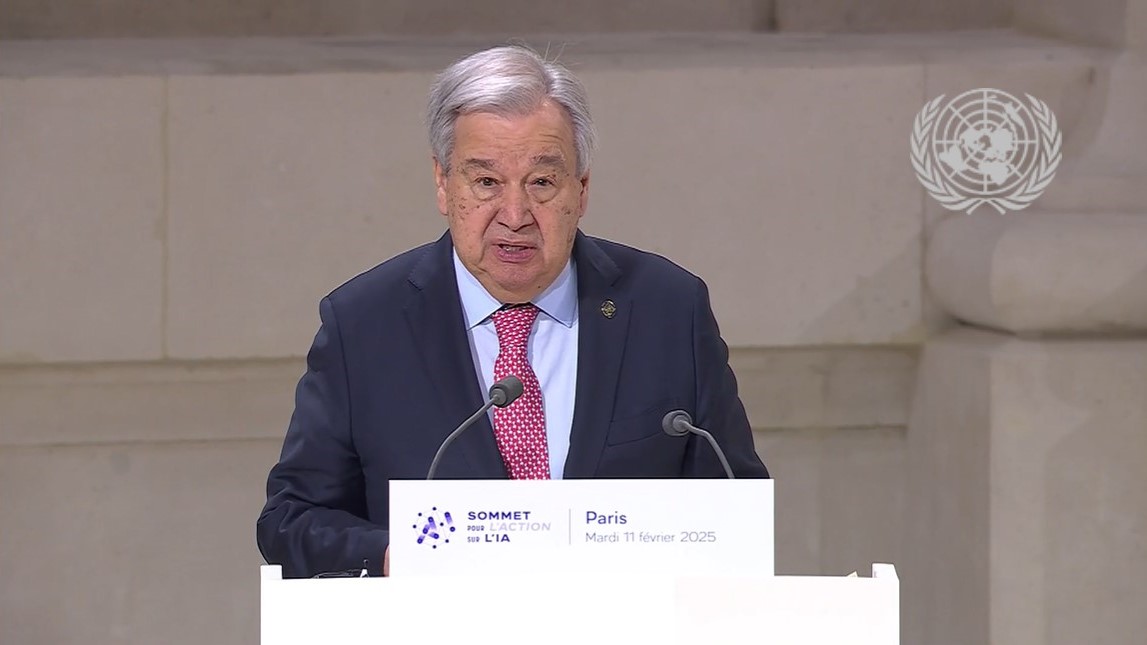
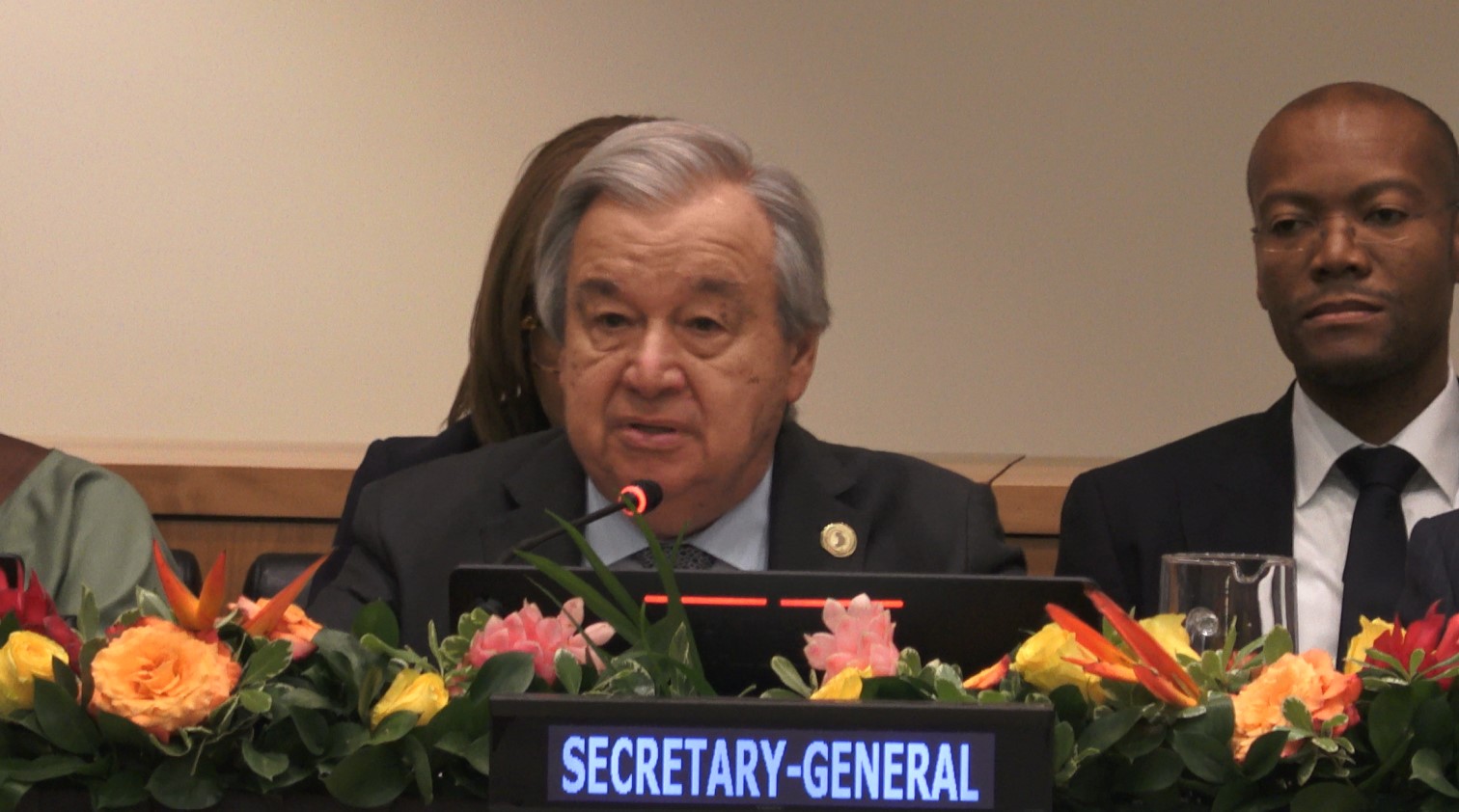
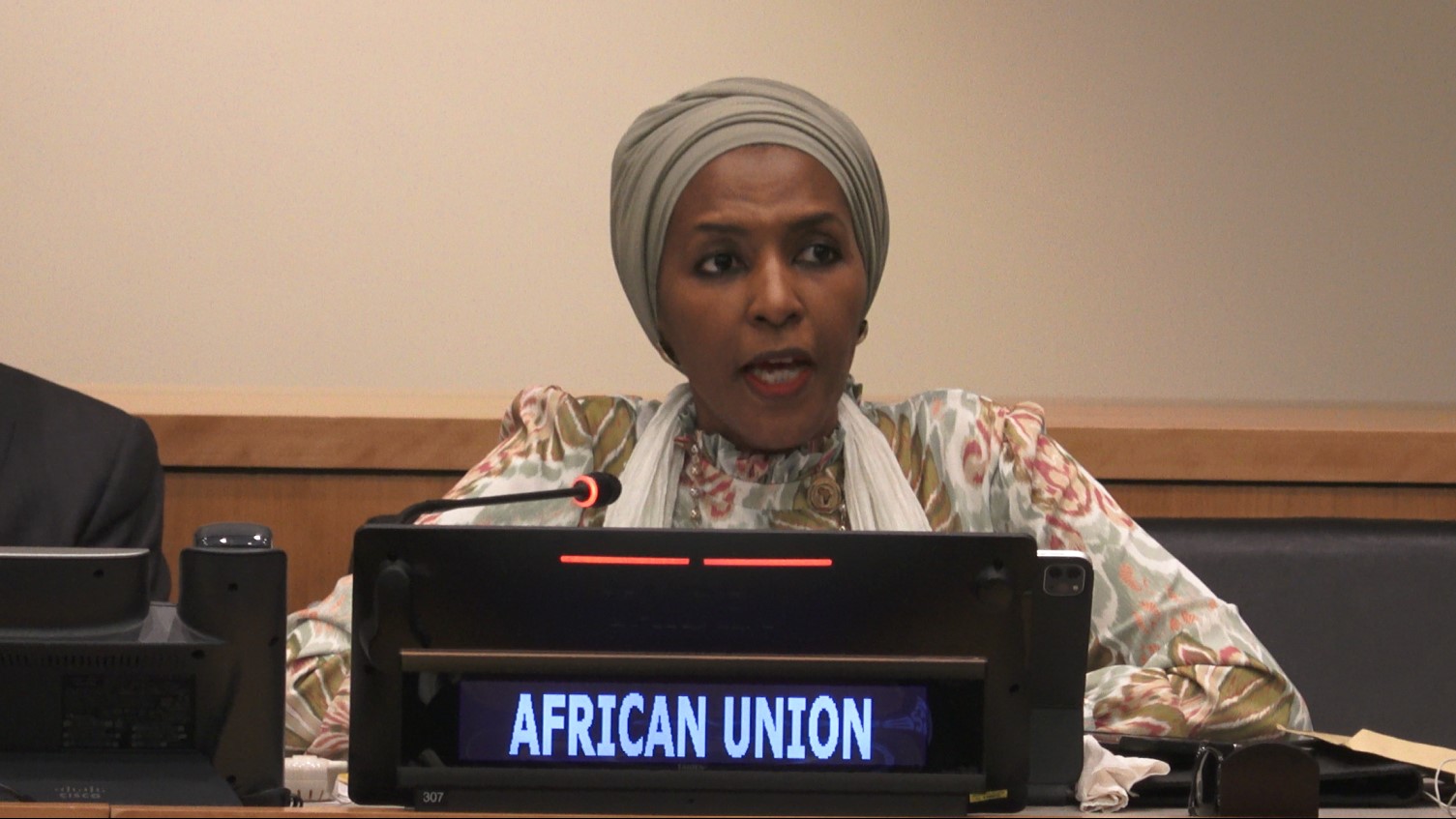
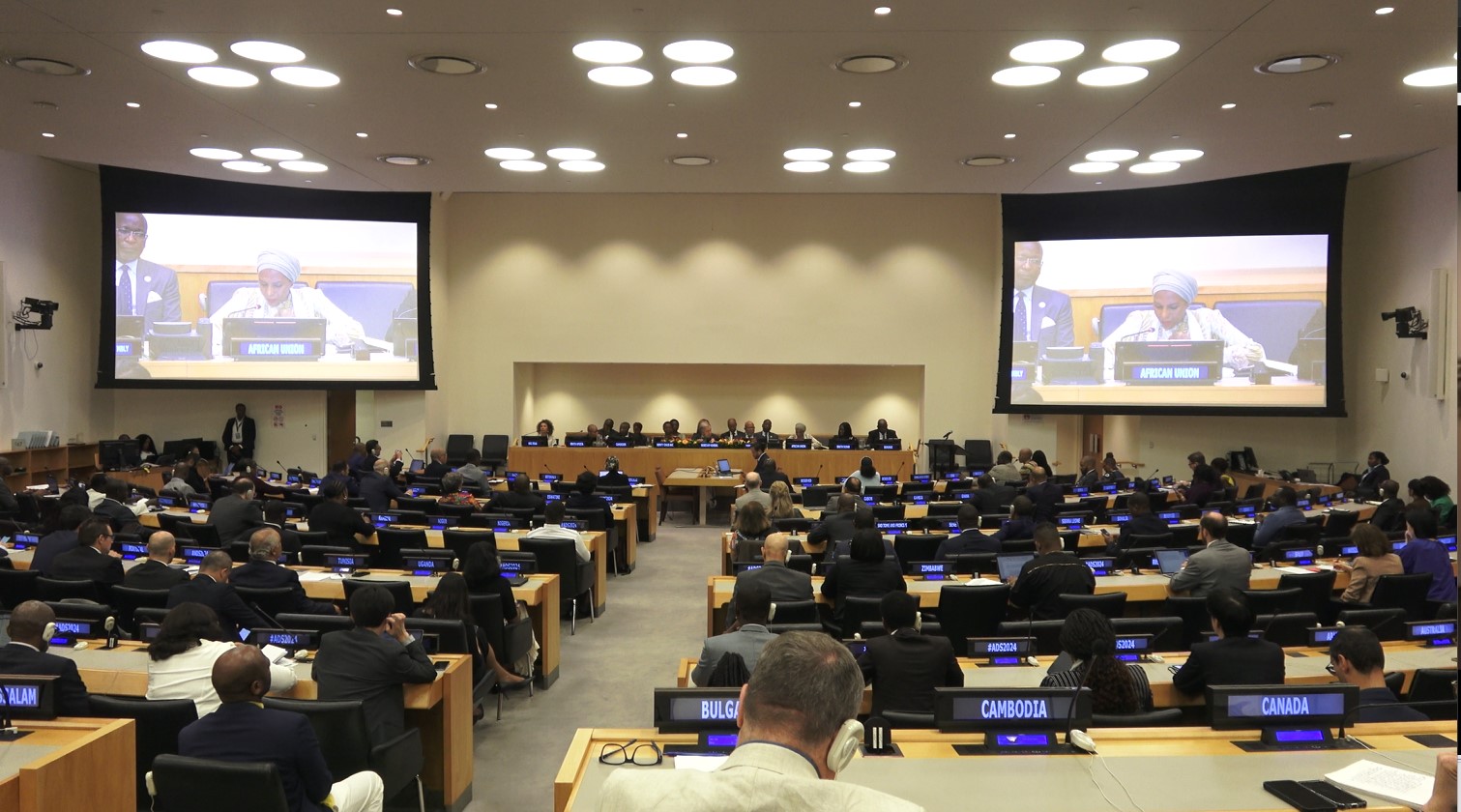
Respected guests, all protocols observed. Five days ago, the world celebrated Africa Day, a celebration of the hope and potential of the African people. This month's dialogue series reminds us that unlocking this full potential depends on a key factor: education. Education is the driving force behind Africa's prosperity and development. It provides opportunities for young Africans, connecting them with their cultural heritage and past while preparing them for the future. Education is the cornerstone of the science, technology, and innovation-based economy that Africa needs in the coming decades.
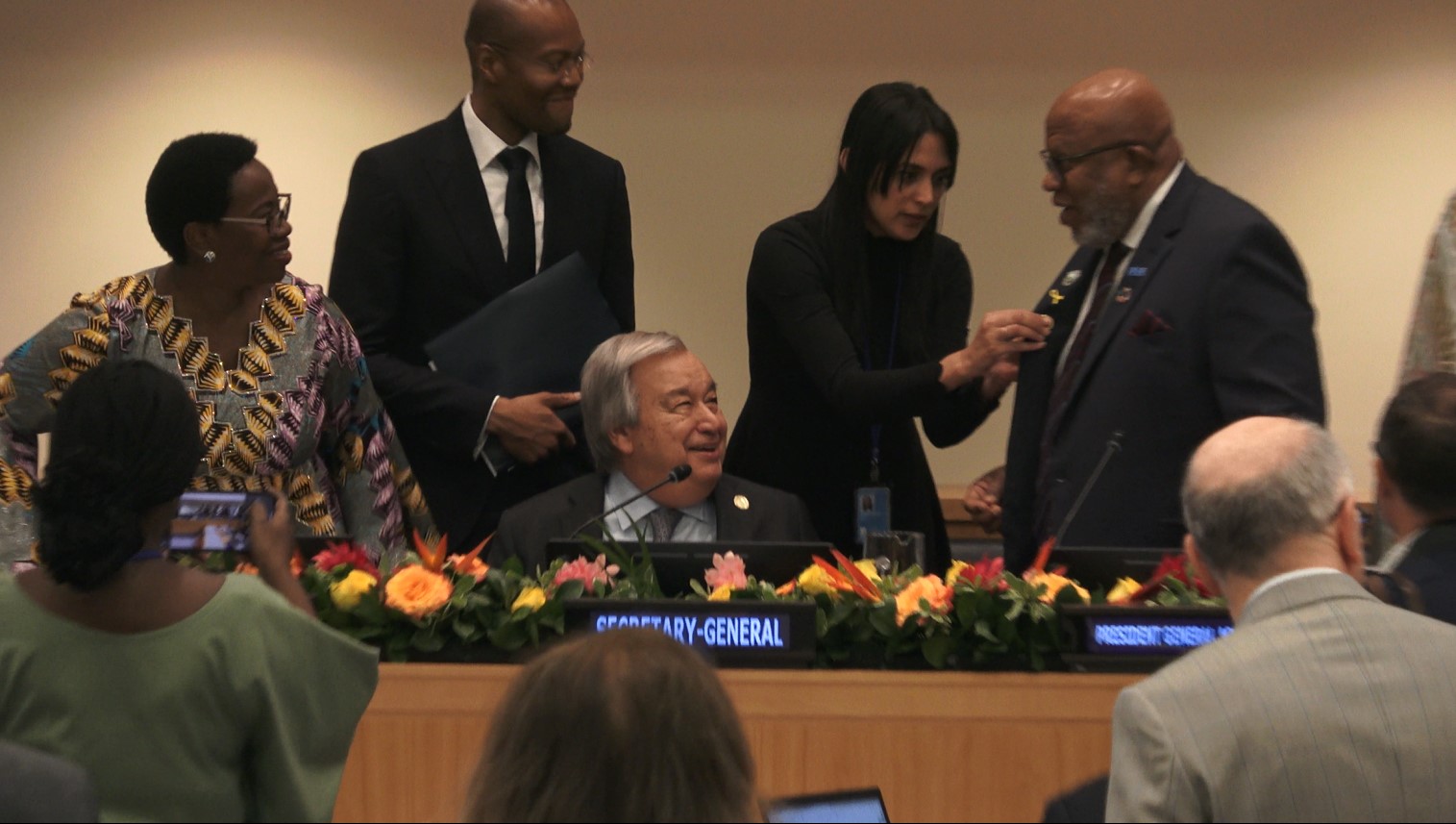
I commend the African Union for making education its theme for 2024 and emphasize the importance of overcoming the challenges facing educational systems across the continent. A lack of investment and infrastructure, persistently unequal access to education for girls, conflicts, and climate-related disasters prevent tens of millions of African children and youth from receiving education. The shortage of qualified teachers exacerbates a crisis in foundational curricula and teaching methods that fail to prepare students for today's workforce, especially in the STEM (Science, Technology, Engineering, and Mathematics) fields.
At the 2022 Transforming Education Summit, nations committed to advancing the vision of creating true learning societies rooted in quality education and Sustainable Development Goal 4. This includes lifelong learning, eliminating digital and gender gaps, and supporting teachers at every step. The specific policy recommendations emerging from this dialogue represent an opportunity to ensure progress in the African context.
I particularly want to outline two areas: Firstly, without significantly increased financing and investment in education systems, progress is unattainable. African countries have made substantial progress; nearly one-third have reached the minimum threshold of 15% of public expenditures or 4% of GDP allocated to education. However, investments are hindered by economic challenges including the long-term effects of the COVID-19 pandemic, soaring costs of living, and an out-of-control debt crisis. Many African countries spend more on debt service than on healthcare, infrastructure, and education combined.
Meanwhile, borrowing is hampered by an outdated, dysfunctional, and unfair international financial system, while an unbalanced and inefficient global tax system deprives African countries of higher domestic revenues. Last September, world leaders at the SDG Summit supported a minimum annual SDG stimulus of $500 billion. The stimulus also calls for a debt lifeline to provide developing countries with some breathing room, rather than punishing repayment schedules, and for expanding emergency financing for crisis-hit countries, including reallocating special drawing rights. We also need to see multilateral development banks adjust their business models to better leverage private finance at a reasonable cost for developing countries.
This year, at the Summit of the Future, I expect to see concrete commitments from world leaders to fundamentally repair the global financial system. This must include ensuring greater African representation across all systems and institutions, including the global financial system, coupled with robust domestic resource mobilization systems. These are opportunities for African countries to dramatically increase investment in education in the coming years. I also urge donor countries and multilateral development banks to support the International Finance Facility for Education launched at the Transforming Education Summit. It's time to realize the potential of this facility and mobilize $10 billion to help 700 million children in lower and middle-income countries access quality education.
Secondly, African education systems must be rooted in science, technology, engineering, and mathematics. Merely getting more children into school is not enough. African students, like students around the world, need the skills and knowledge to compete in the modern global economy. STEM subjects are critical, from agriculture and manufacturing to service delivery to every aspect of business, large and small, to the renewable green energy revolution taking root across Africa. Digital skills are a good example. The International Financial Corporation estimates that by 2030, over 230 million jobs in sub-Saharan Africa will require digital skills. As we transform what students learn, we also need to transform how they learn.
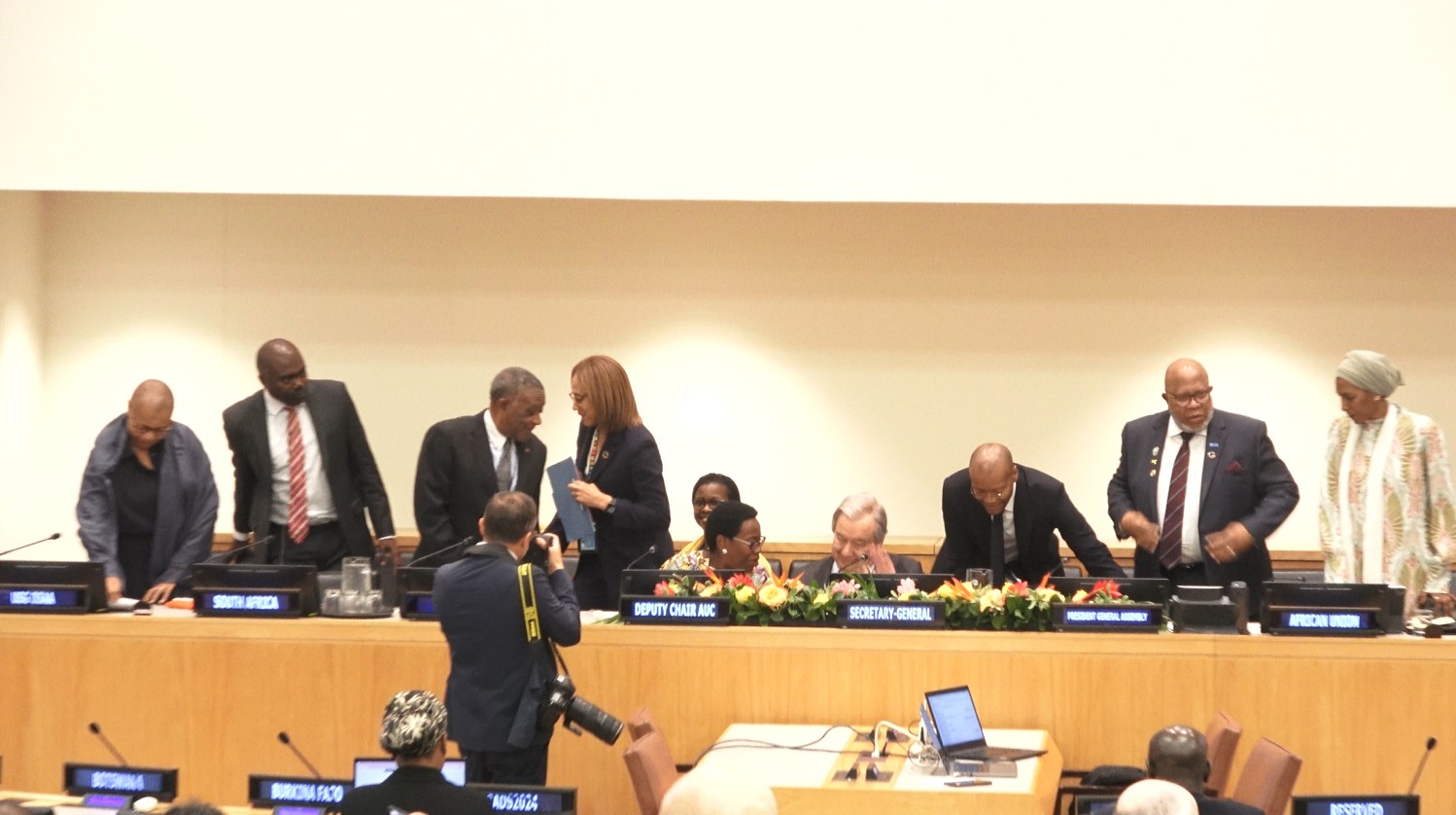
Digital technology offers an unlimited platform to deliver education to learners, no matter where they live. It is also an opportunity to scale up education for the tens of millions of school-aged children in Africa whose education is disrupted by crises like conflicts and natural disasters. Overcoming this massive barrier means unlocking these benefits—the fact that only 36% of Africans have access to broadband connectivity. I urge countries to work with technology companies and internet service providers and the UN's GIGA initiative to provide universal high-speed connectivity and devices for every learner. It's time to close the digital divide and to mobilize the financial resources of the international community to make it possible.
Esteemed guests, these issues and many more will be at the forefront of key UN meetings in Paris, New York, and Brazil this year, aimed at accelerating progress towards SDG4 by 2030. They will also be central to the Summit of the Future this September. I have invited all world leaders to attend, and it is particularly crucial that African leaders bring their ideas and solutions, including about education. The Africa we want must be supported by the education systems Africa needs, and I will continue to stand with Africa in this essential work.
Thank you all.