 Celebrity Media TV
By Wen Ping, Celebrity Media Commentator
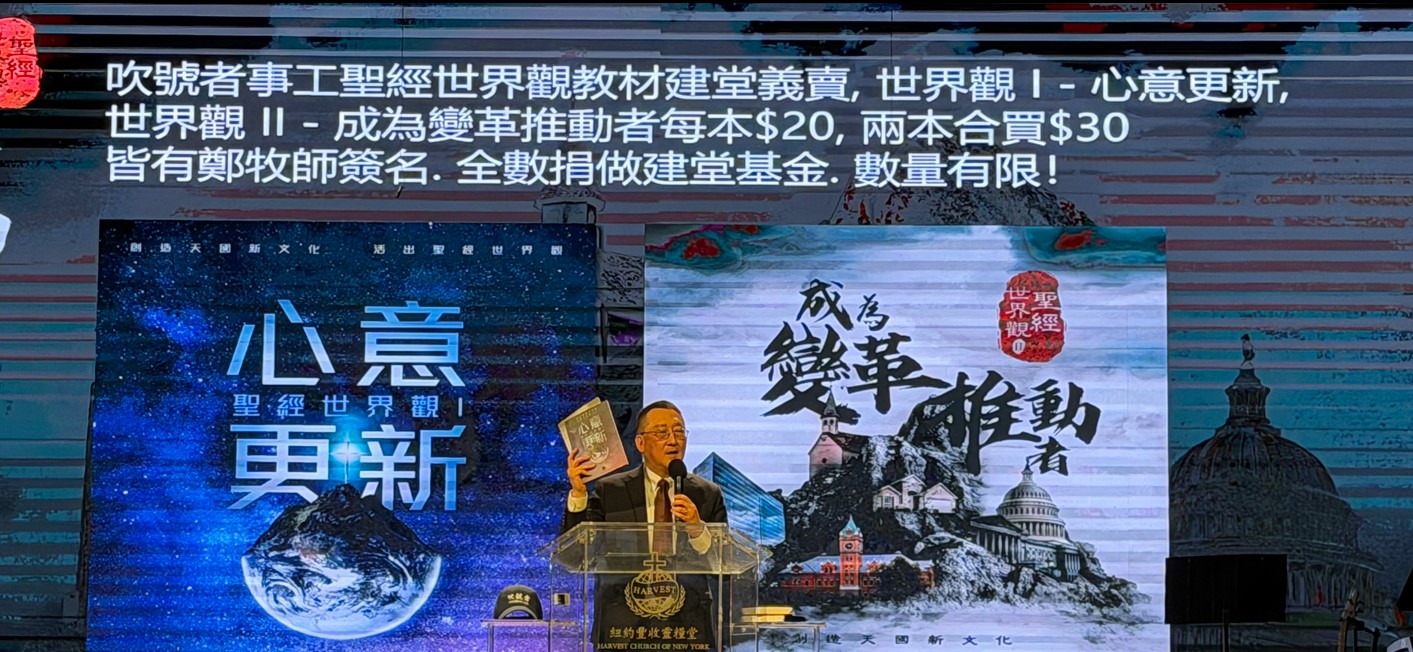
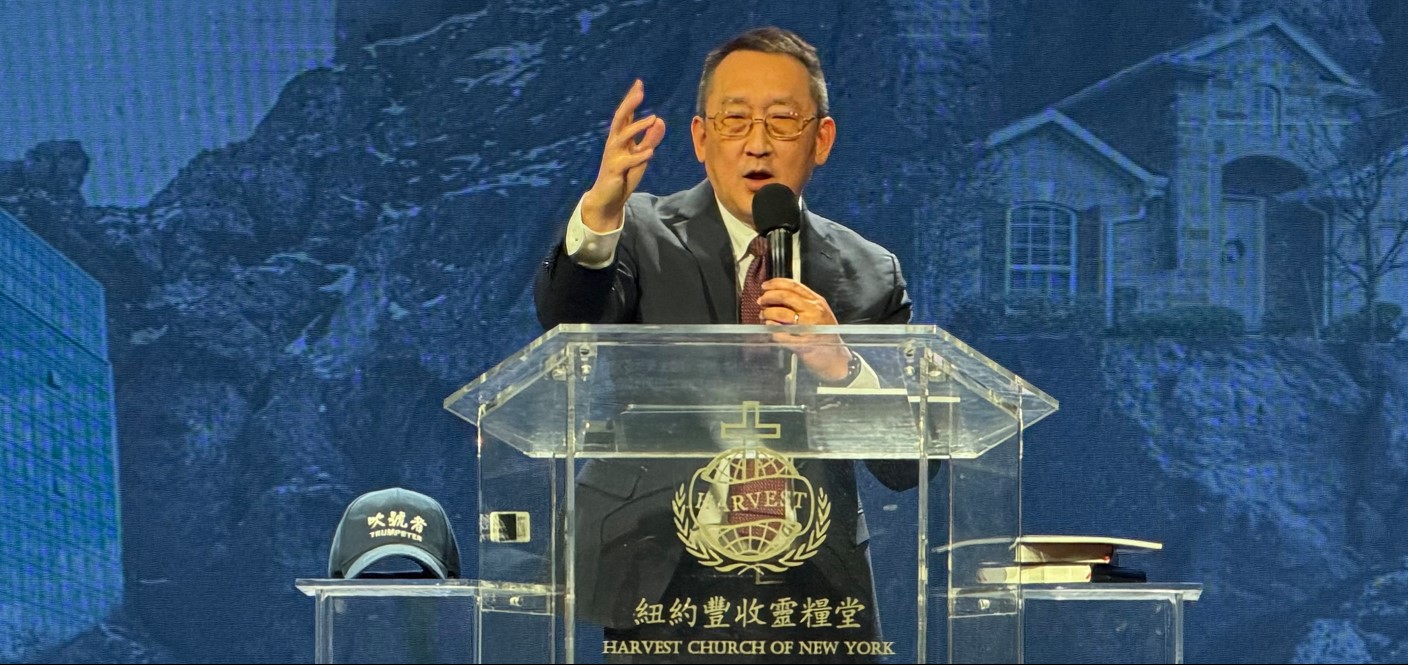
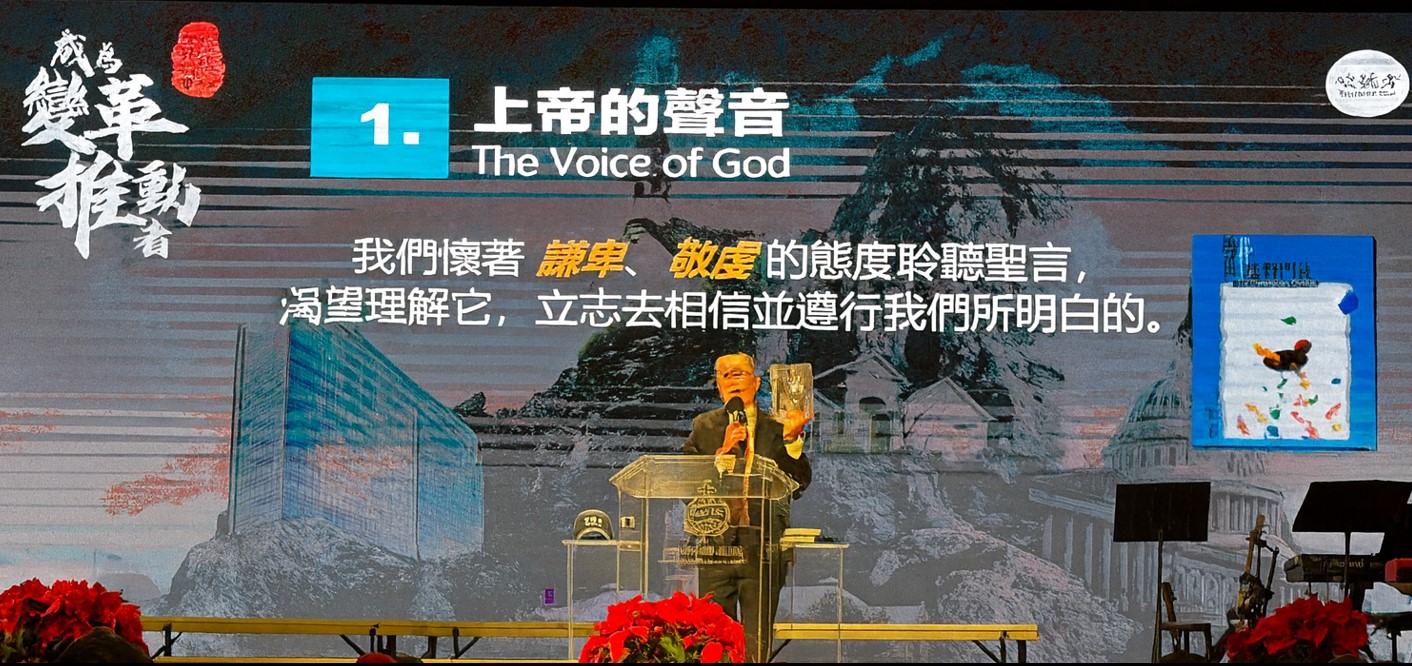
In many Chinese churches, caution has long been treated as virtue. Avoid conflict, remain moderate, and keep faith in the realm of private spirituality—this has become the unspoken posture of a community shaped by diaspora realities and cultural restraint. Within such an environment, Pastor Zheng Lixin and his Trumpeter Ministry once appeared unusually sharp, even unwelcome. His insistence that Christians must re-enter cultural and public discourse, that the church’s silence shapes the next generation more than its sermons, left some uneasy.
Yet five years later, the world has shifted in ways that make his diagnosis appear less disruptive than prescient. What once sounded like provocation now reads like analysis.
Since returning to office, President Donald Trump has presided over a striking re-centering of religious language in American public life. What had long been culturally unsayable—or at least impolite—has resurfaced. A symbolic moment came when Acting Secretary of Defense Christopher C. Hergerthes openly led prayer inside the Pentagon, a place that represents strategic command far more than spiritual reflection. More telling still was Trump’s declaration at the Museum of the Bible on September 8, 2025: “We are a nation under God, and we will always be.”
In a political culture that has grown increasingly secular in tone, such statements function less as nostalgic gestures and more as signals of ideological recalibration. They reveal a country wrestling with moral coherence and searching again for the foundations it once assumed but seldom articulated.
The debate surrounding this shift has been predictably polarized. Supporters argue that without some shared moral architecture, societies drift toward fragmentation. Critics warn of blurred lines between government authority and religious expression. But the volume of the disagreement itself points to an unmistakable reality: the United States is engaged in a struggle over its cultural identity—one too deep to be solved by policy alone.
This is precisely the terrain on which Pastor Zheng’s work becomes relevant. His critique has never been a call for political alignment but for cultural literacy. He argues that when the church confines itself to private devotion, it leaves the broader moral formation of its children to schools, media platforms, and digital ecosystems far more assertive than the church has been willing to recognize. Silence, in this view, is not neutrality but abdication.
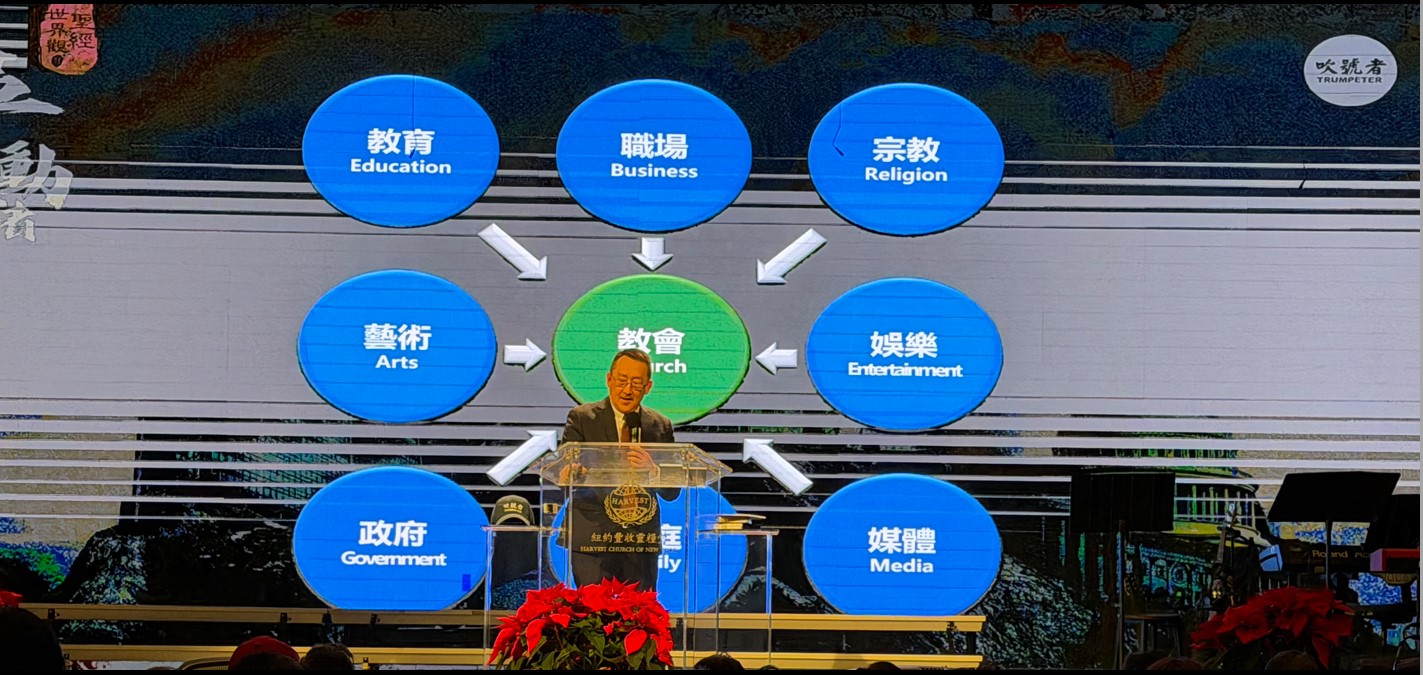
The Trumpeter Ministry does not seek to awaken emotional fervor but to cultivate intellectual resilience. Its project is part theology, part sociology, and part cultural translation. It aims to help Christians read the world not as passive observers but as participants responsible for shaping the moral direction of the communities they inhabit.
Viewed in this light, recent public expressions of faith—including the Pentagon prayer and Trump’s declaration that America remains “a nation under God”—are not anomalies but signs of a deeper cultural recalibration. Whether one welcomes or resists this trend, it reveals a society searching again for the anchors it once assumed would always be there.
Pastor Zheng’s significance lies not in political alignment but in his early recognition of the cost of silence. At a moment when public meaning is contested and institutions appear fragile, his voice serves less as a battle cry and more as a reminder: cultural influence belongs not to the loudest, but to those willing to speak when silence feels safest.