 Celebrity Media TV
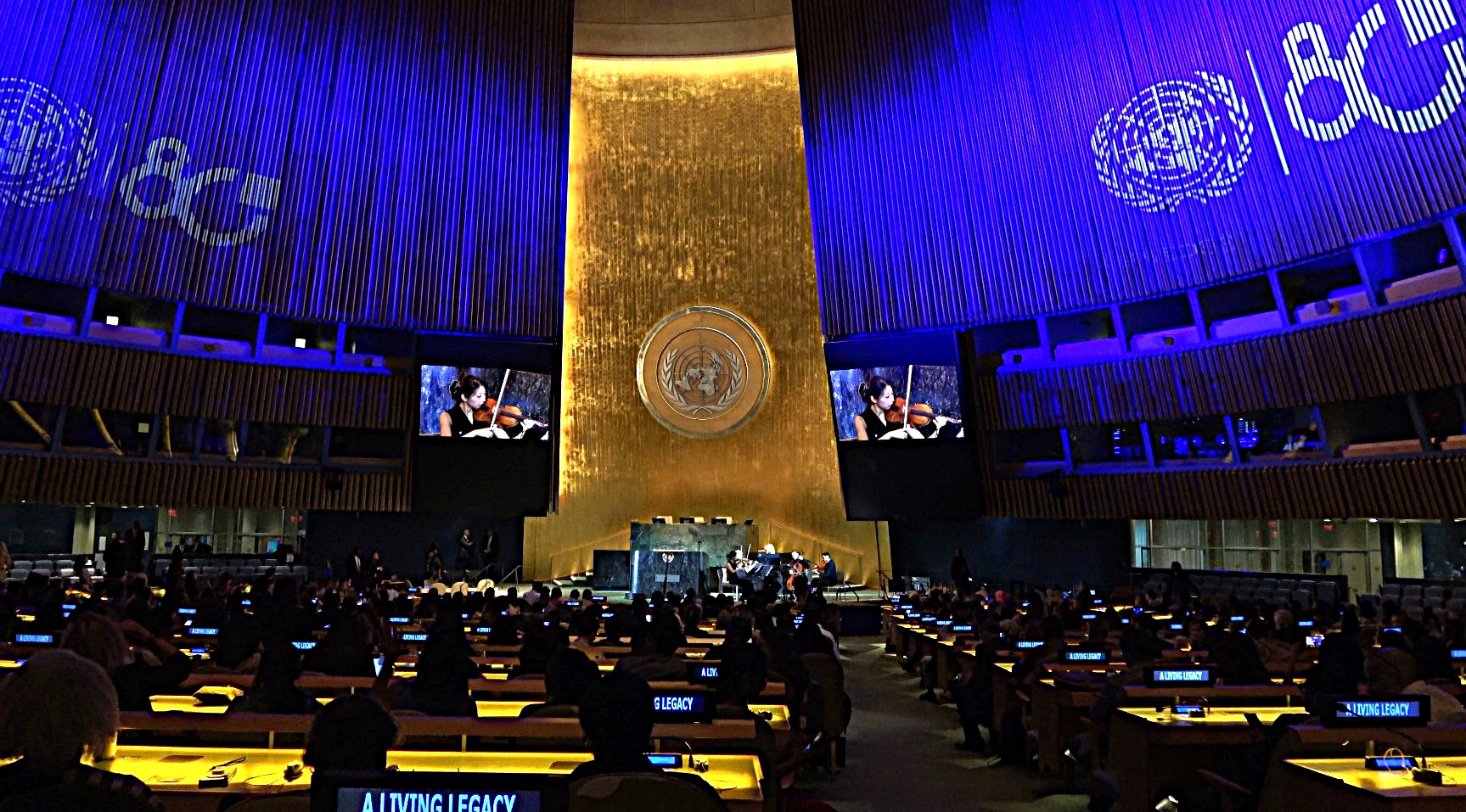


As a media commentator, I believe we are at a pivotal historical moment. Multilateralism not only requires data support but also demands the unwavering commitment and concrete actions of global leaders. The future path of multilateral cooperation will be fraught with challenges, but it also holds endless hope.
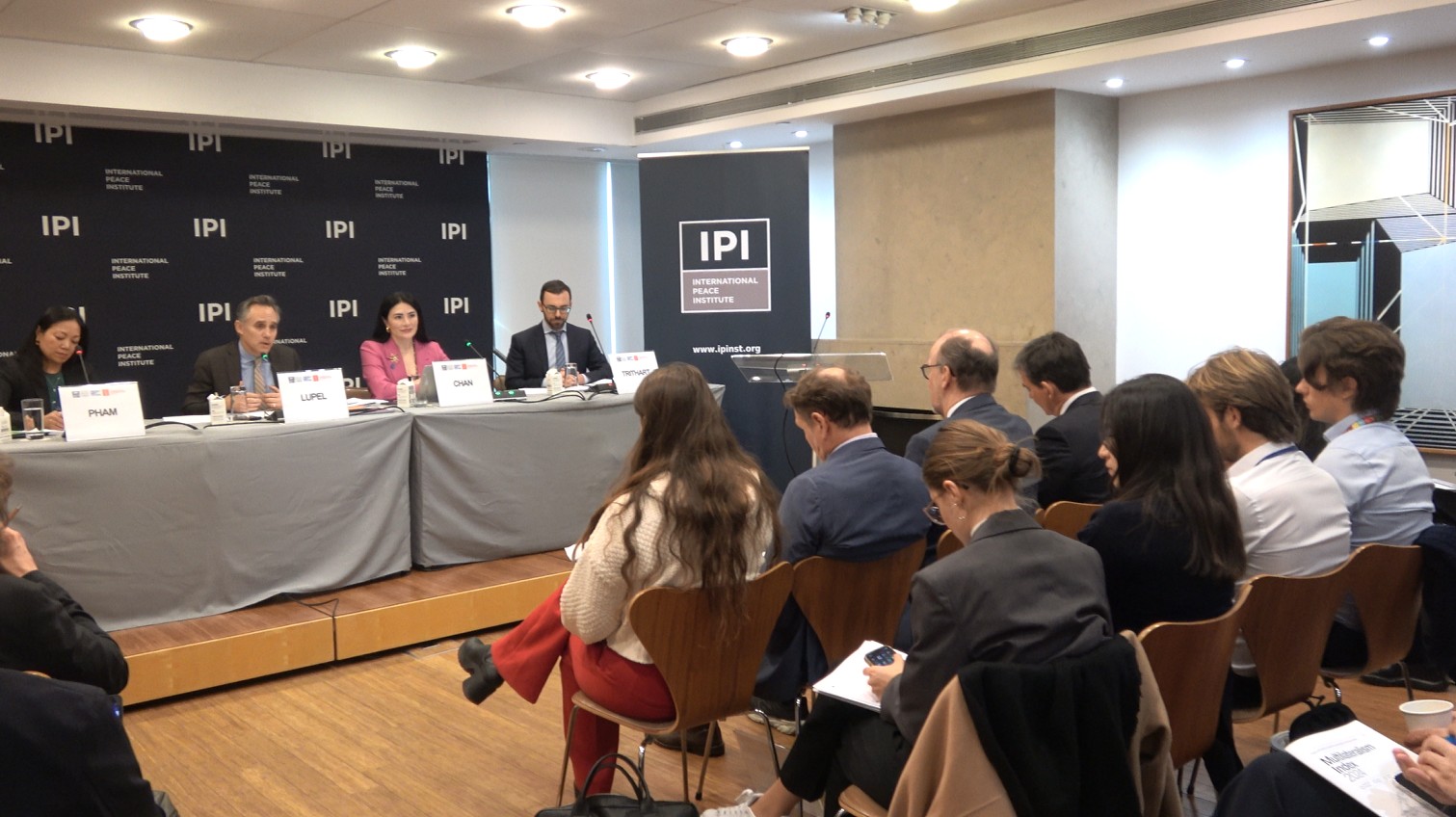
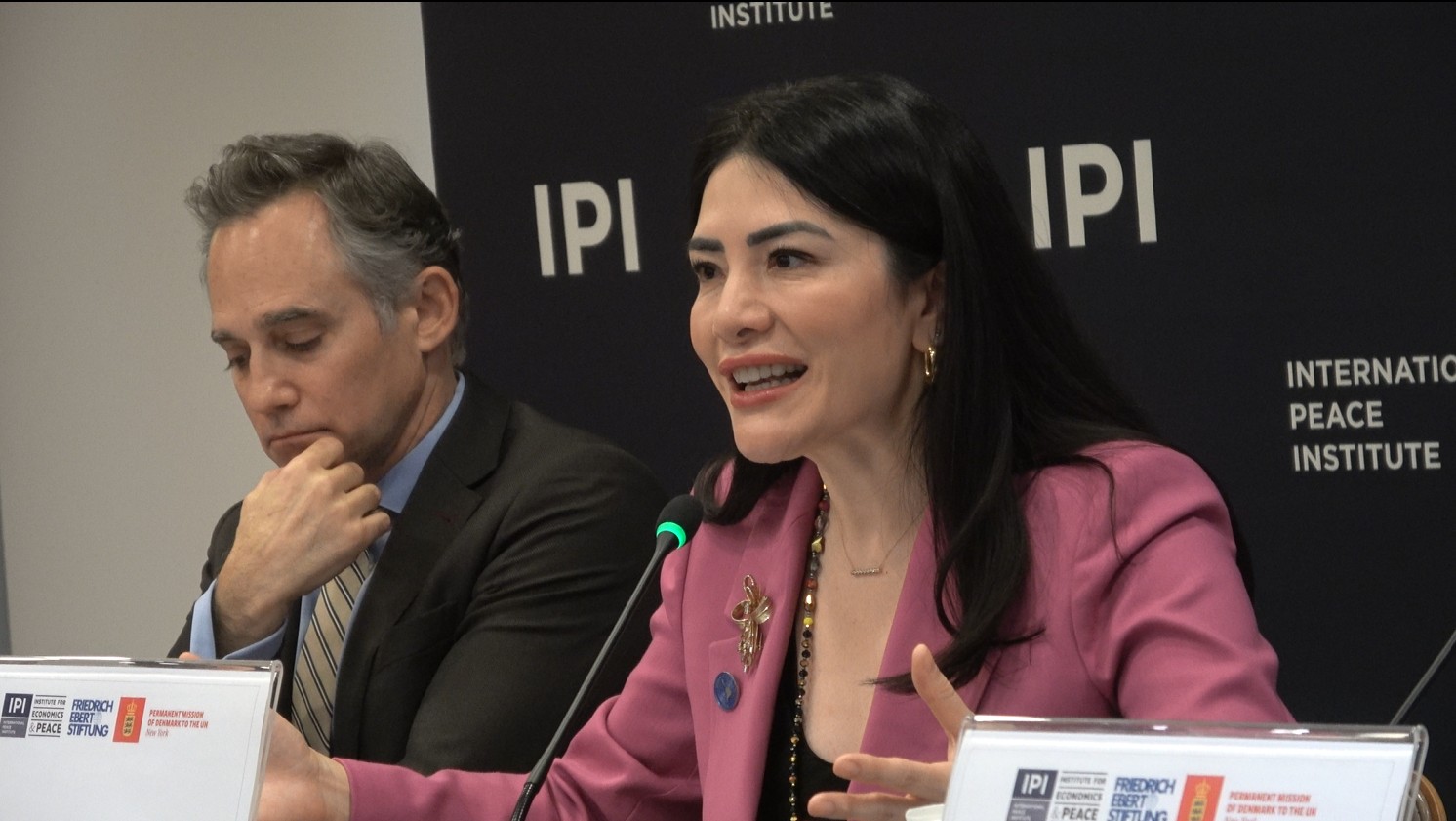
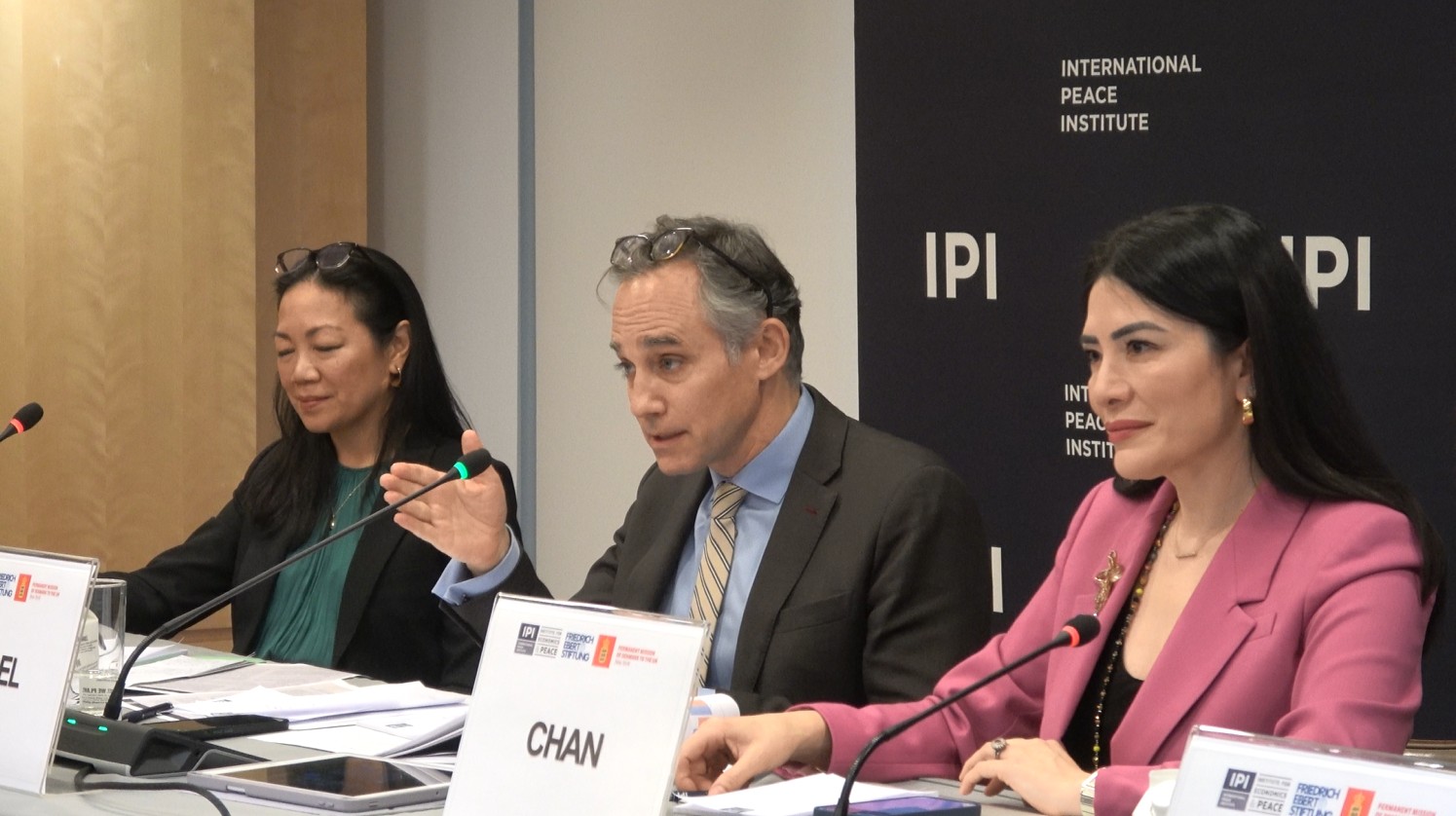
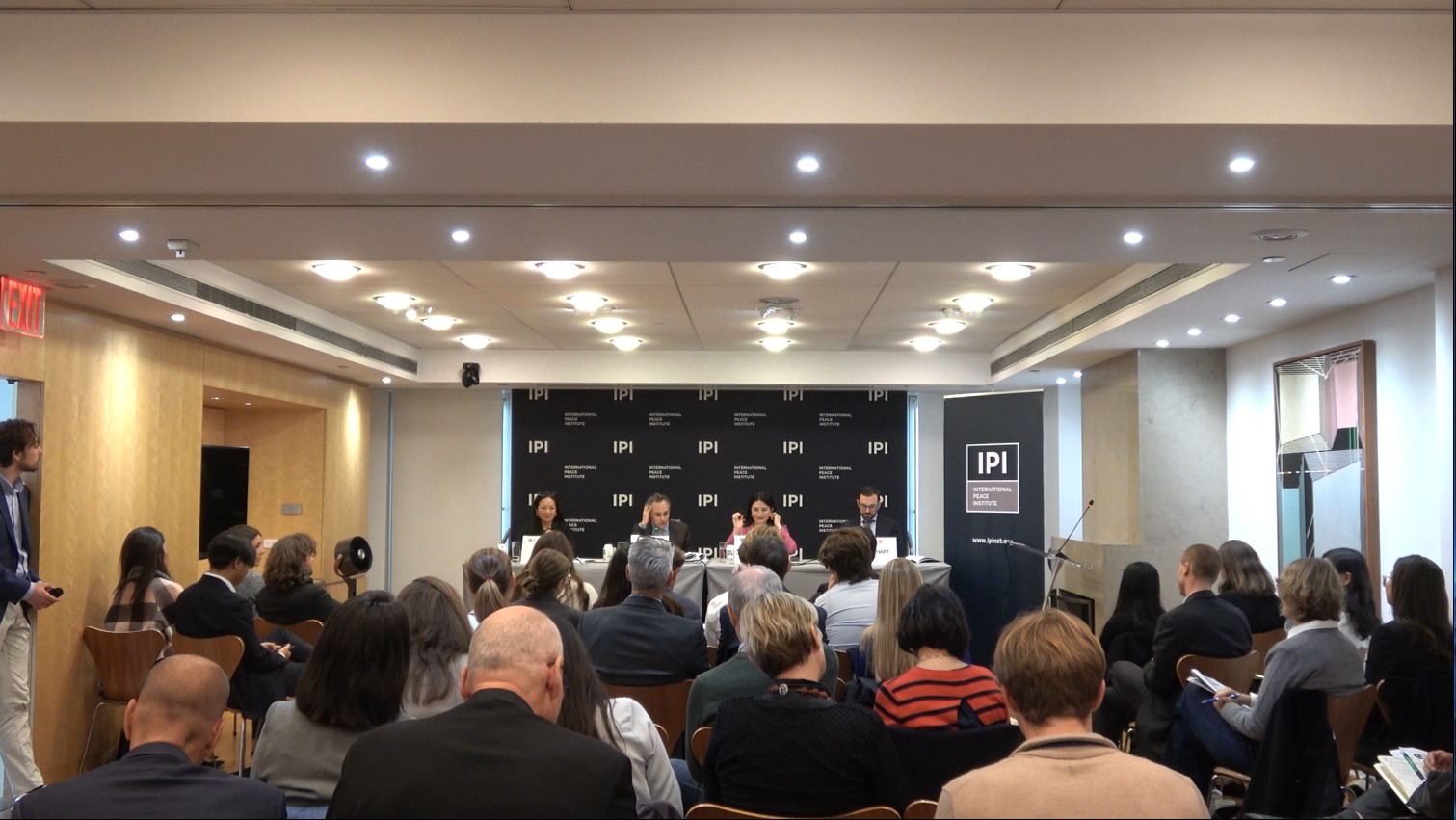
On October 17, 2024, through the joint efforts of the International Peace Institute (IPI) and the Institute for Economics and Peace (IEP), the second edition of the **Multilateralism Index** was released. This index not only provides comprehensive data on multilateral cooperation over the past decade but also profoundly reveals the challenges and opportunities facing the current global multilateral system. In my view, this release event is not only a presentation of data but also a forward-looking reflection on the future of global multilateralism.。
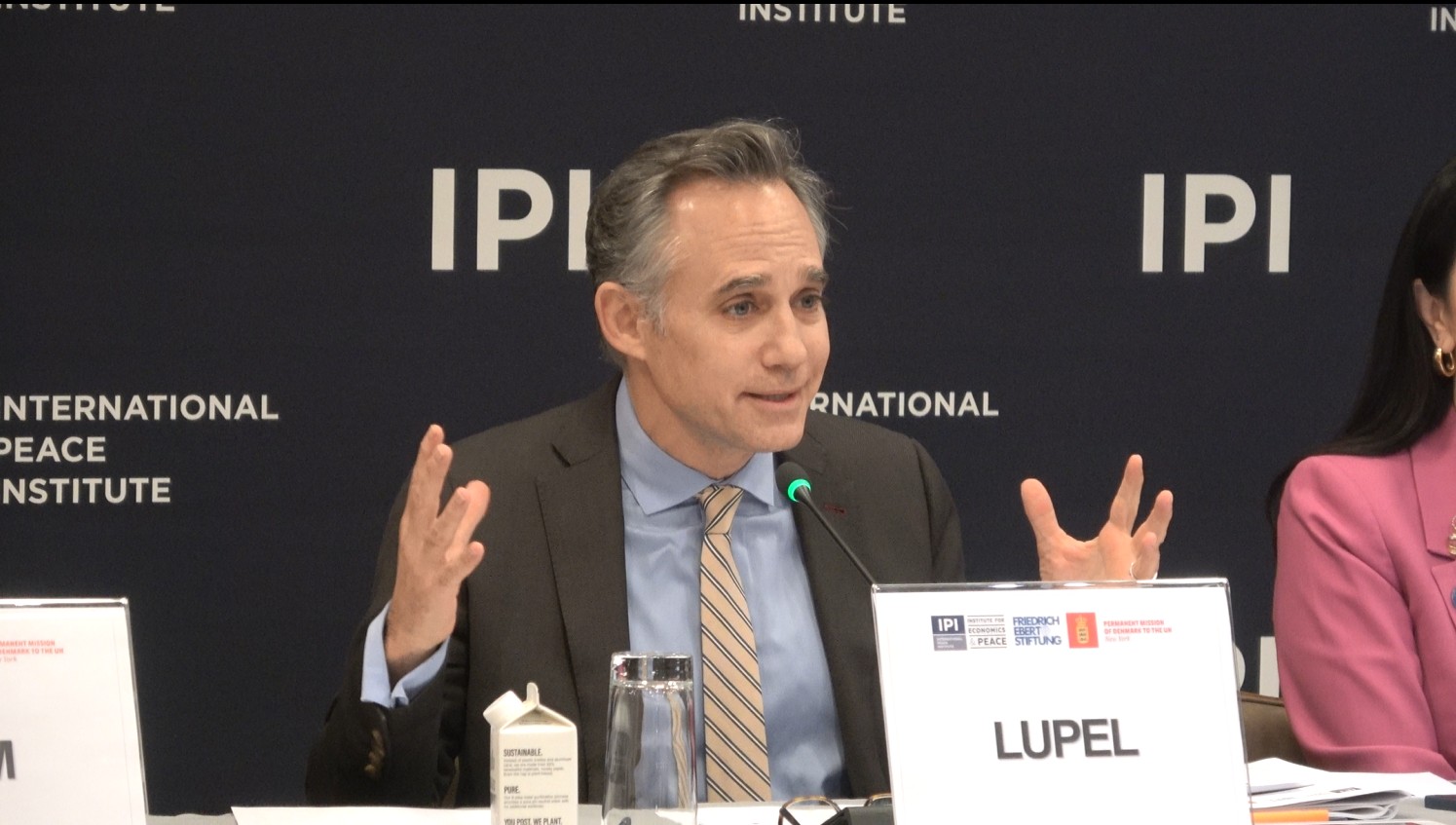
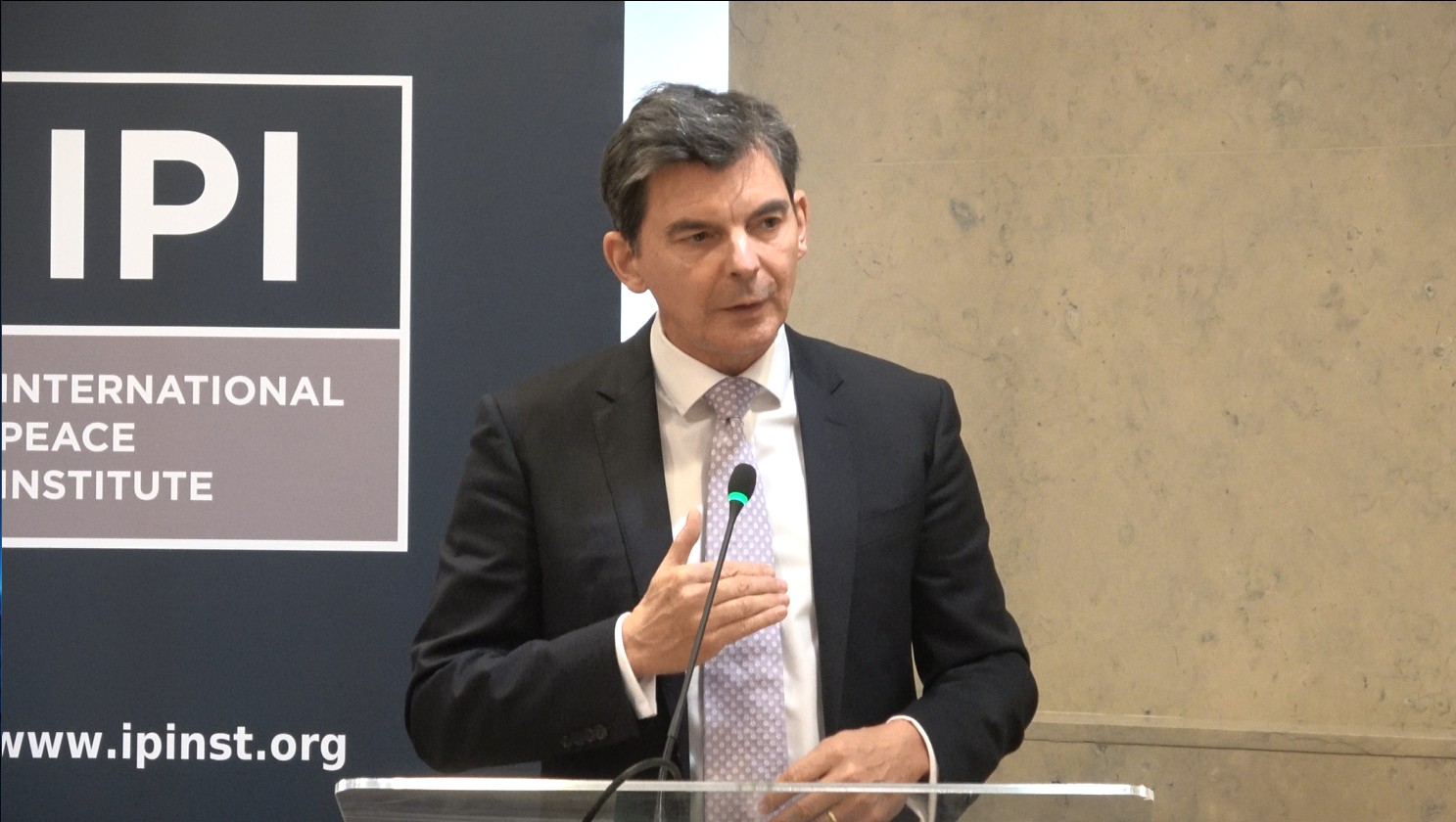

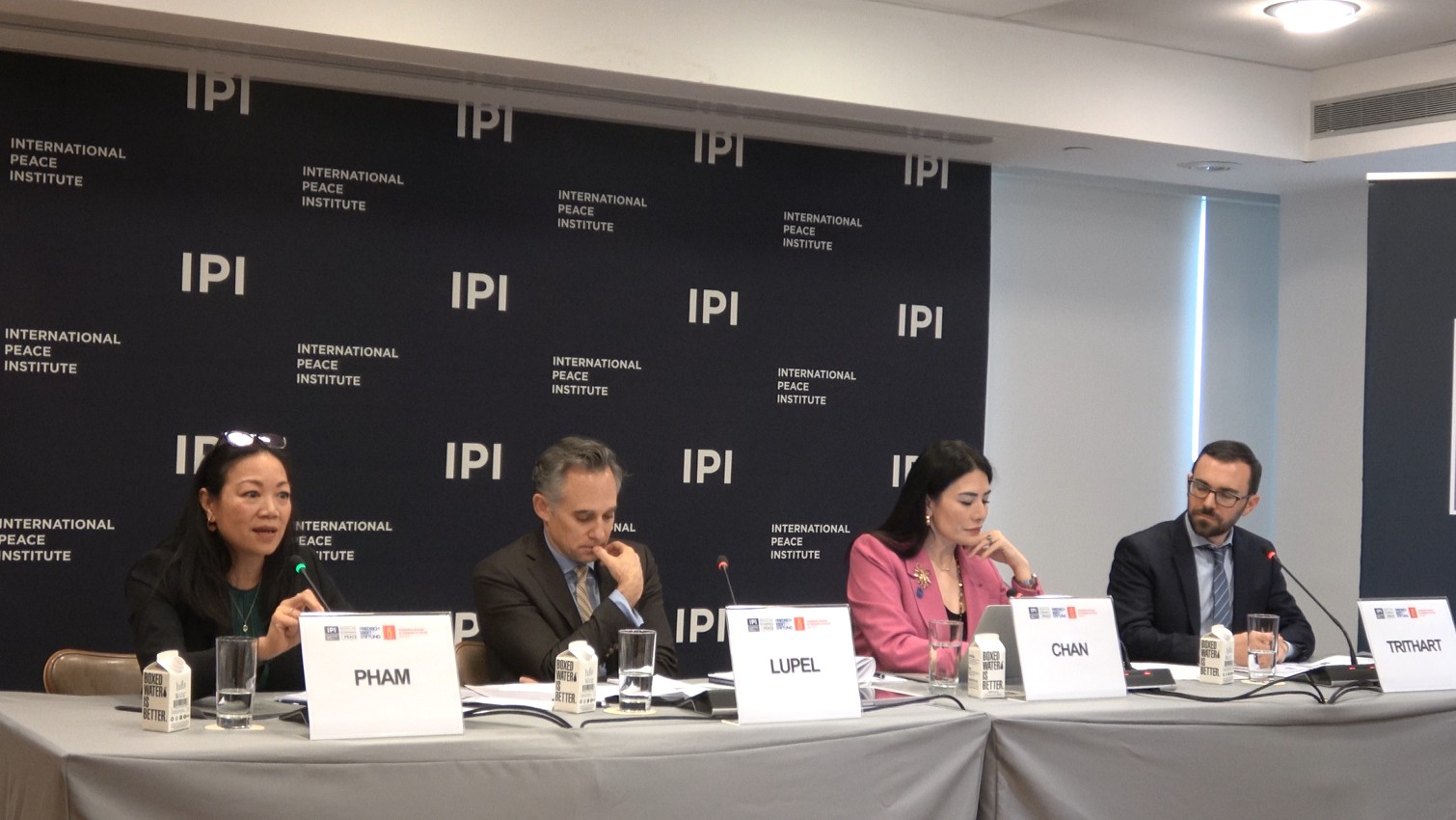
The Decline in Multilateral System Performance: Crisis in Peace and SecurityOne of the most striking aspects of the Multilateralism Index** is its revelation of the significant setbacks in the global multilateral system, particularly in the area of peace and security. With the increase in global conflicts and rising death tolls in recent years, the role of the United Nations Security Council has come under growing scrutiny. As Costa Rican Ambassador to the UN, Maritza Chan, pointed out, the paralysis of the Security Council on many critical issues, especially the frequent use of veto power by major powers, has led to a decline in the system’s effectiveness. Through the data presented in this index, the world can clearly see that multilateral cooperation in maintaining peace and security is facing unprecedented challenges.
However, it is noteworthy that despite these challenges, member states have not abandoned multilateralism. Danish Deputy Permanent Representative to the UN, Ambassador Erik Larsen, highlighted that the increasing level of engagement shows that countries are still willing to invest resources and energy in addressing global issues. This contradictory trend is worth our deep reflection: while performance is declining, engagement is rising, indicating that nations still see hope within the multilateral system.
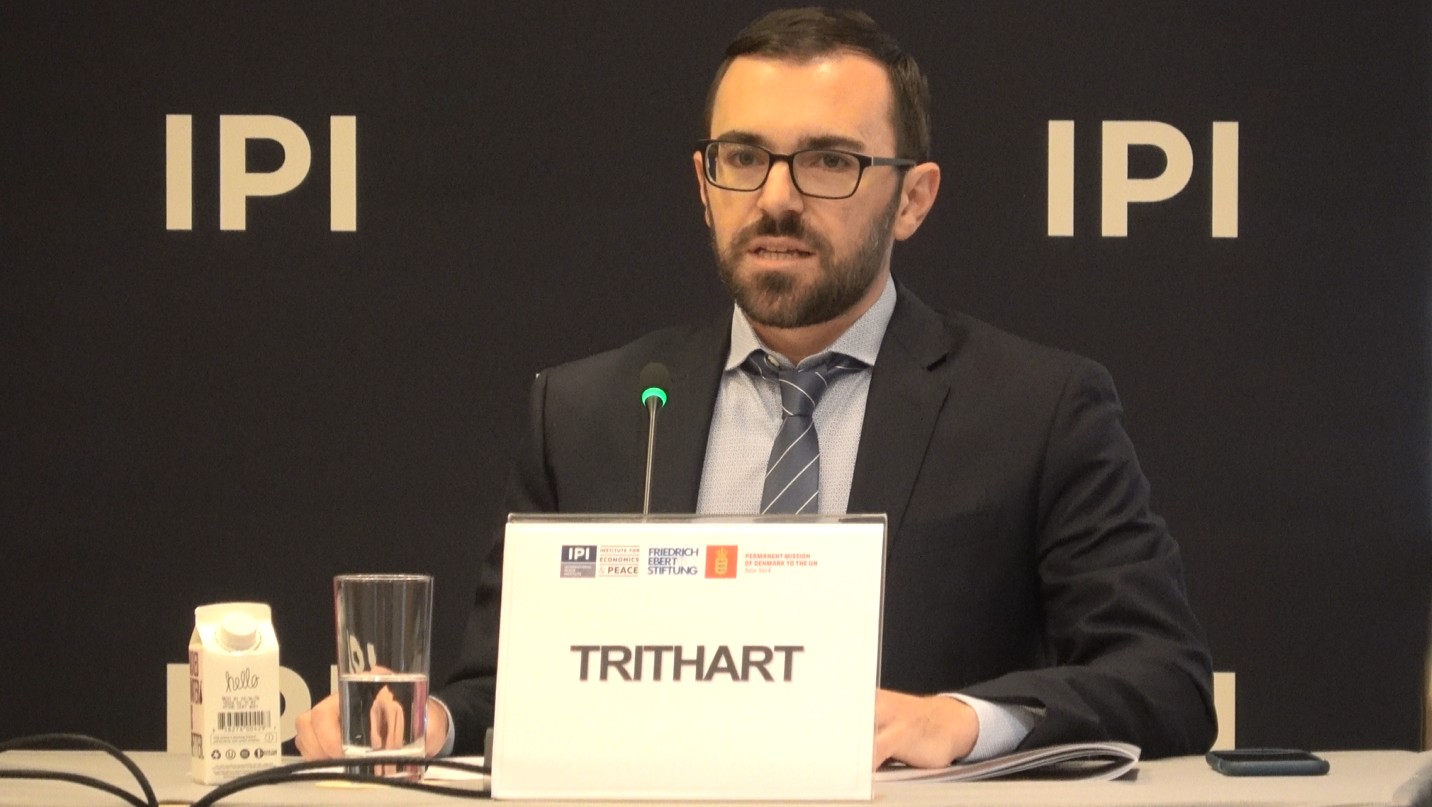
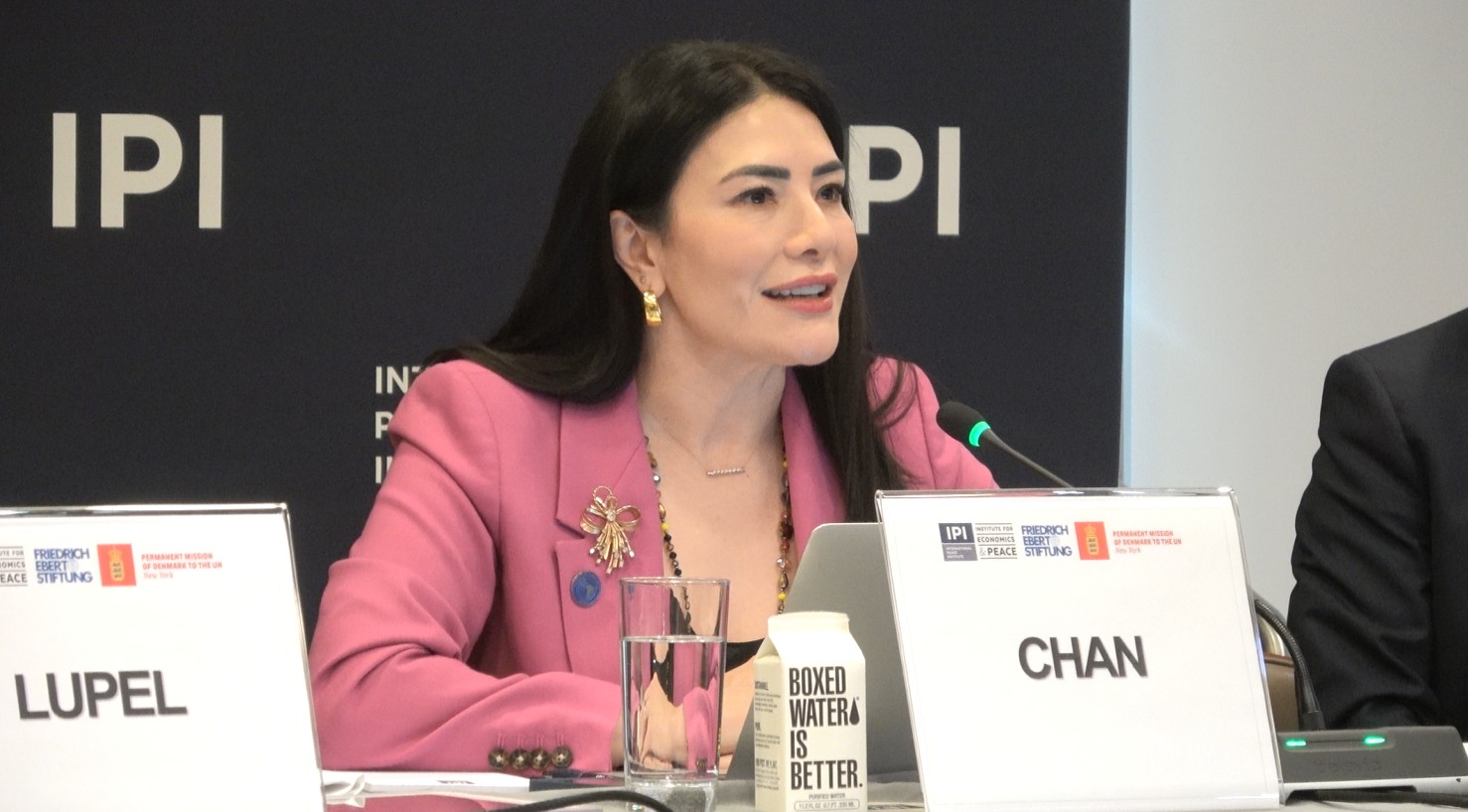
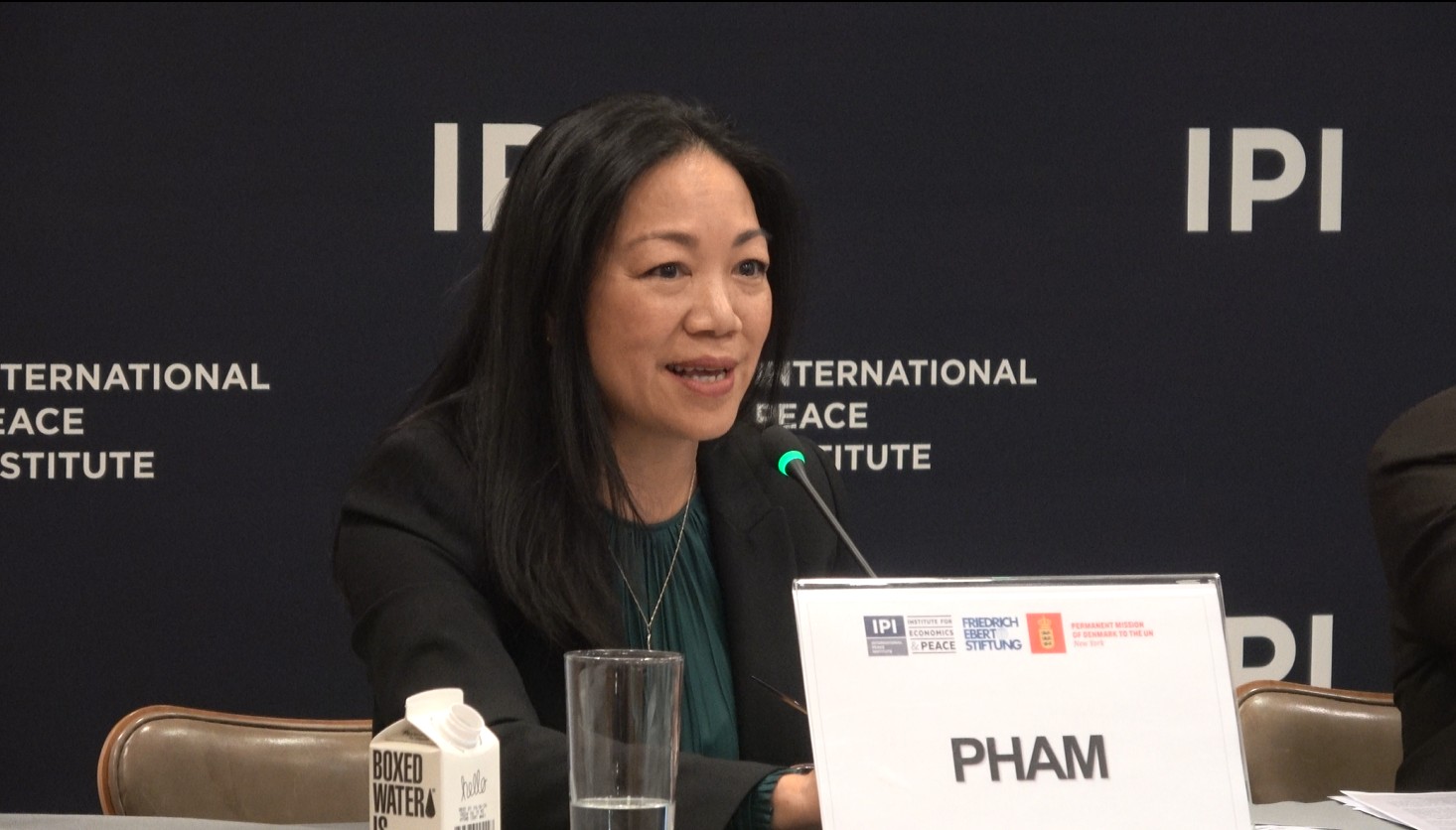
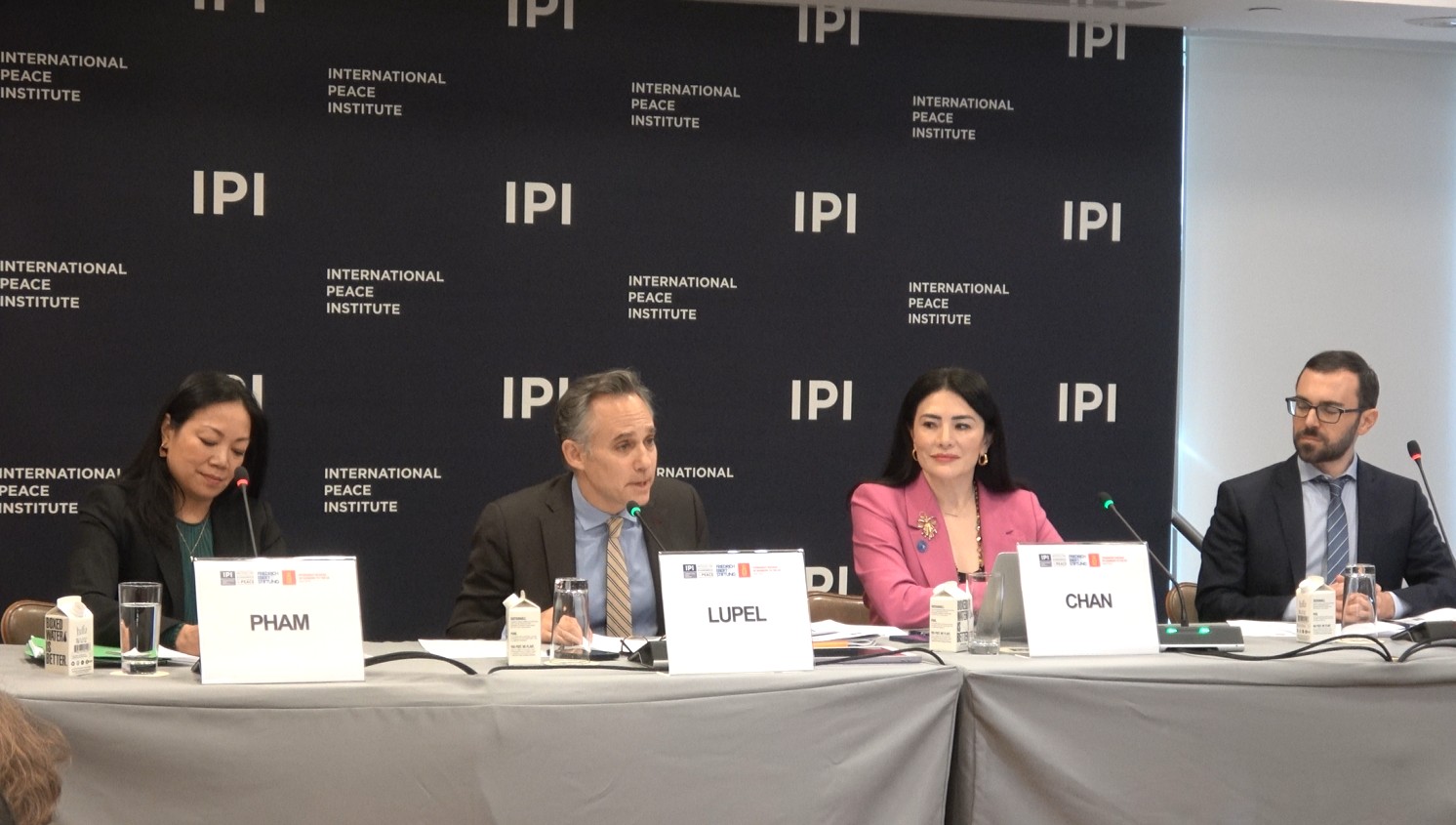

The Hope of Multilateral Cooperation: Growth in Participation and InclusivityDespite concerning performance trends, the **Multilateralism Index** also presents a promising aspect—the increasing participation and inclusivity within the multilateral system. The role of Global South countries in international affairs has become increasingly significant; they are no longer passive participants but key drivers of multilateral cooperation. In recent years, Global South nations have played pivotal roles in shaping major international agreements on critical issues such as climate change, global tax cooperation, and plastic pollution.
This growth in participation is not limited to the national level. As Albert Tritthart remarked during the release event, the involvement of non-governmental organizations (NGOs) and female representatives has also increased significantly. Women are taking on more leadership roles within the United Nations system. Although there is still a gap to achieve true gender equality, this trend undoubtedly brings new energy to the multilateral system.
What is particularly encouraging is that, despite the complex and ever-changing global landscape, the voices of youth and women are becoming more prominent in global governance. As Ambassador Maritza Chan emphasized, young people worldwide are not merely observers—they should play a more crucial role in decision-making processes. In the future, as more diverse voices enter the multilateral system, global cooperation will become more inclusive and representative.



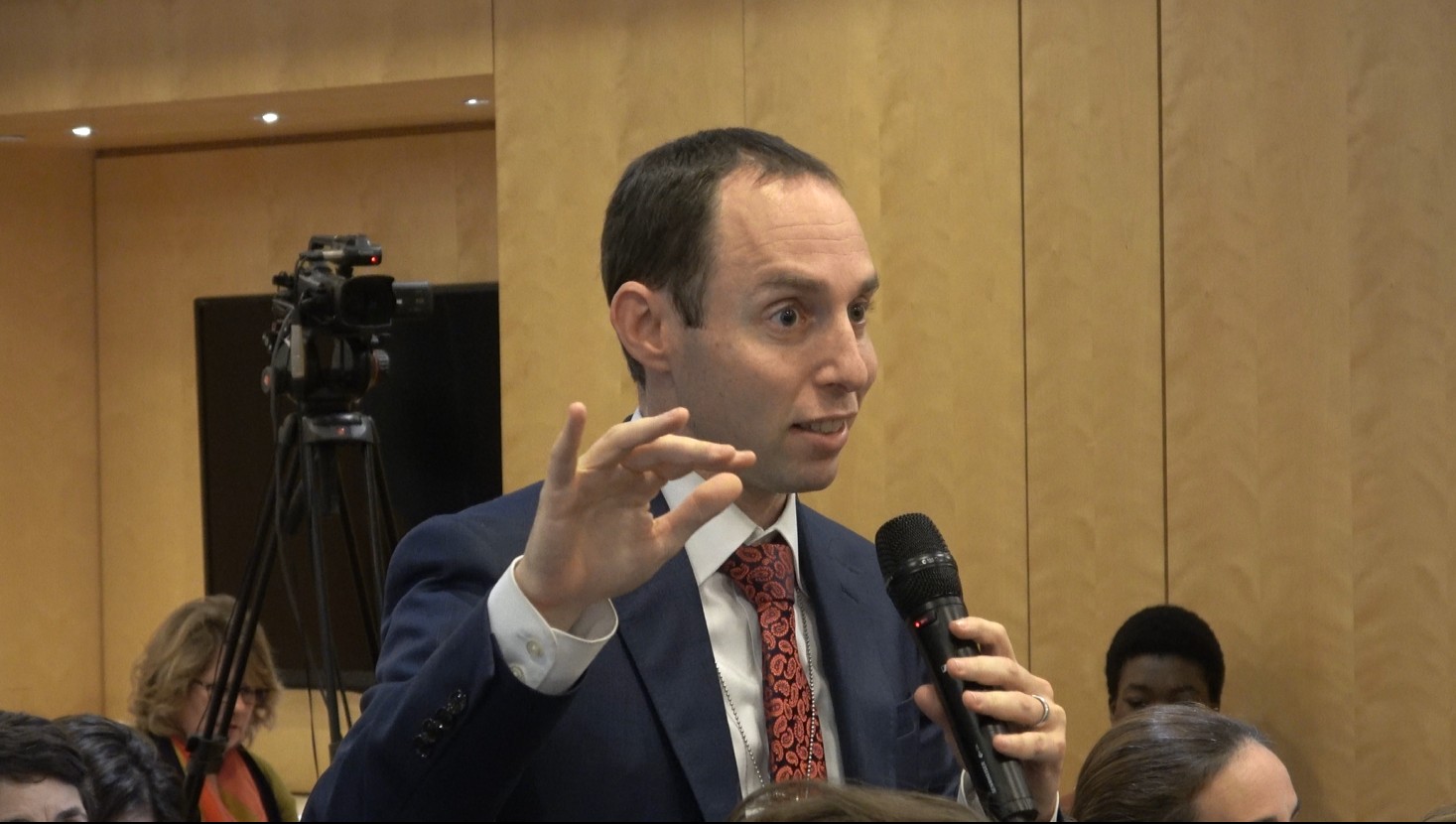
Leadership in Crisis: The Key to the FutureThe release of the **Multilateralism Index** reveals that the global multilateral system is not entirely in crisis, but rather that leadership is facing significant challenges. As Ambassador Maritza Chan remarked, "What we face today is not a crisis of the multilateral system, but a crisis of leadership." She emphasized that the future success or failure of the multilateral system will hinge on whether leaders emerge who possess vision, integrity, and a genuine commitment to cooperation.
Representatives from countries such as Australia and Denmark echoed similar sentiments. The success of the multilateral system depends not only on the participation of nations but also on how their leaders navigate the complexities of the global landscape. This leadership must go beyond diplomatic negotiations; it requires profound institutional reforms both at the national level and within international organizations to address the major challenges facing the world today.