 Celebrity Media TV
Celebrity Media New York Report: During the high-level week of the 81st Session of the United Nations General Assembly, as the selection process for the next UN Secretary-General enters an important stage, global leadership, women's representation, and the future reform of the United Nations have once again become major topics of international attention.
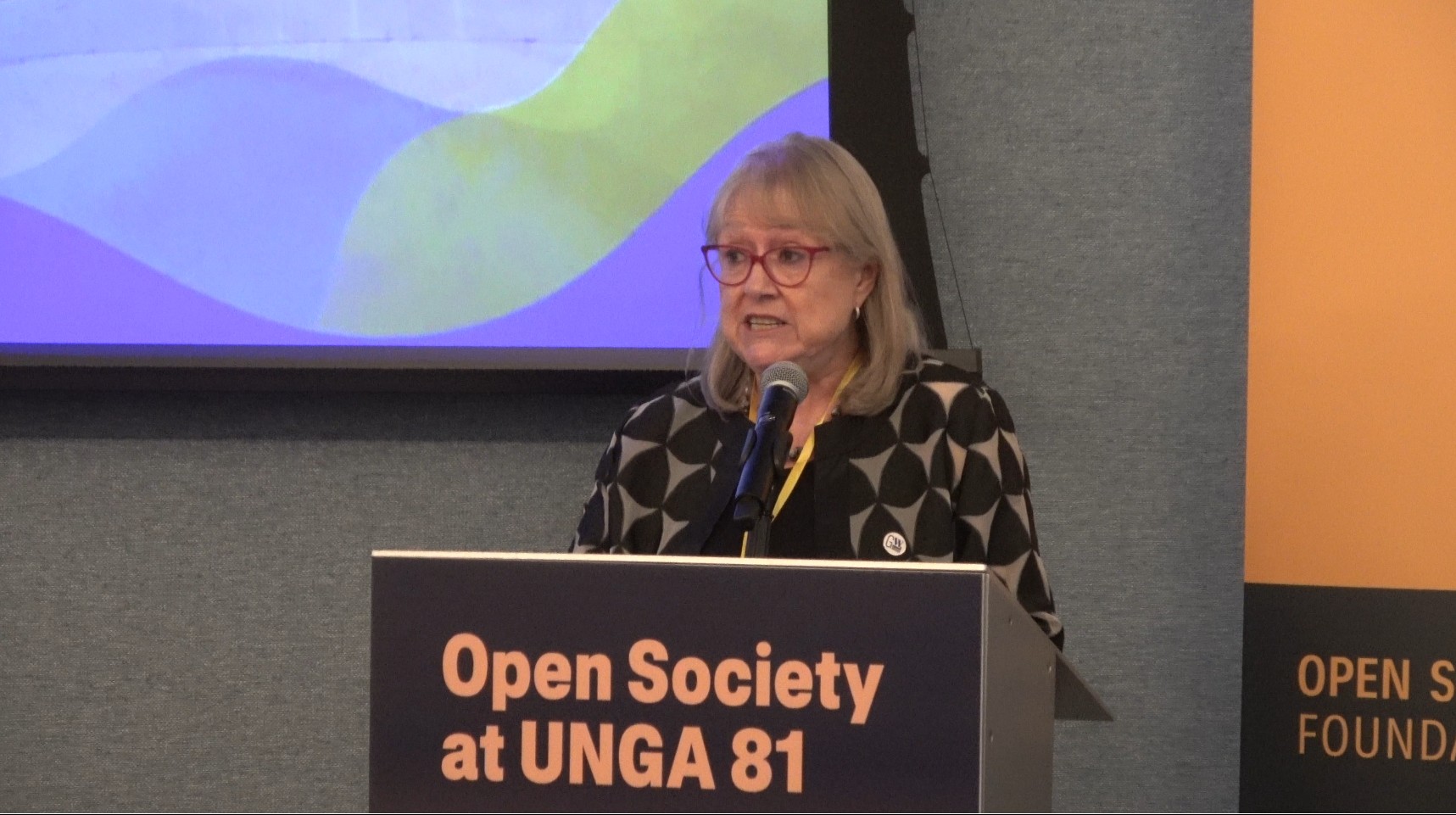
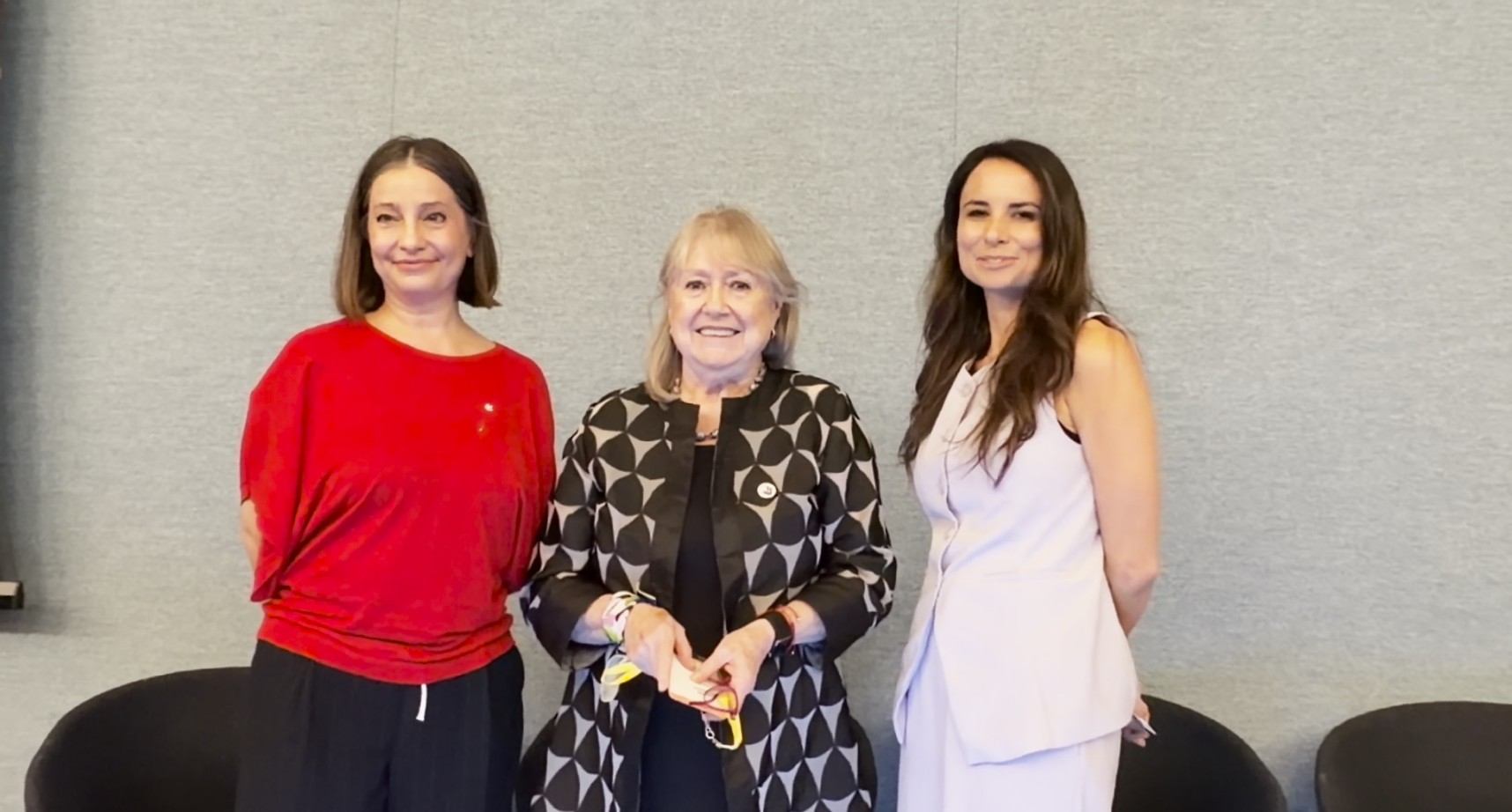
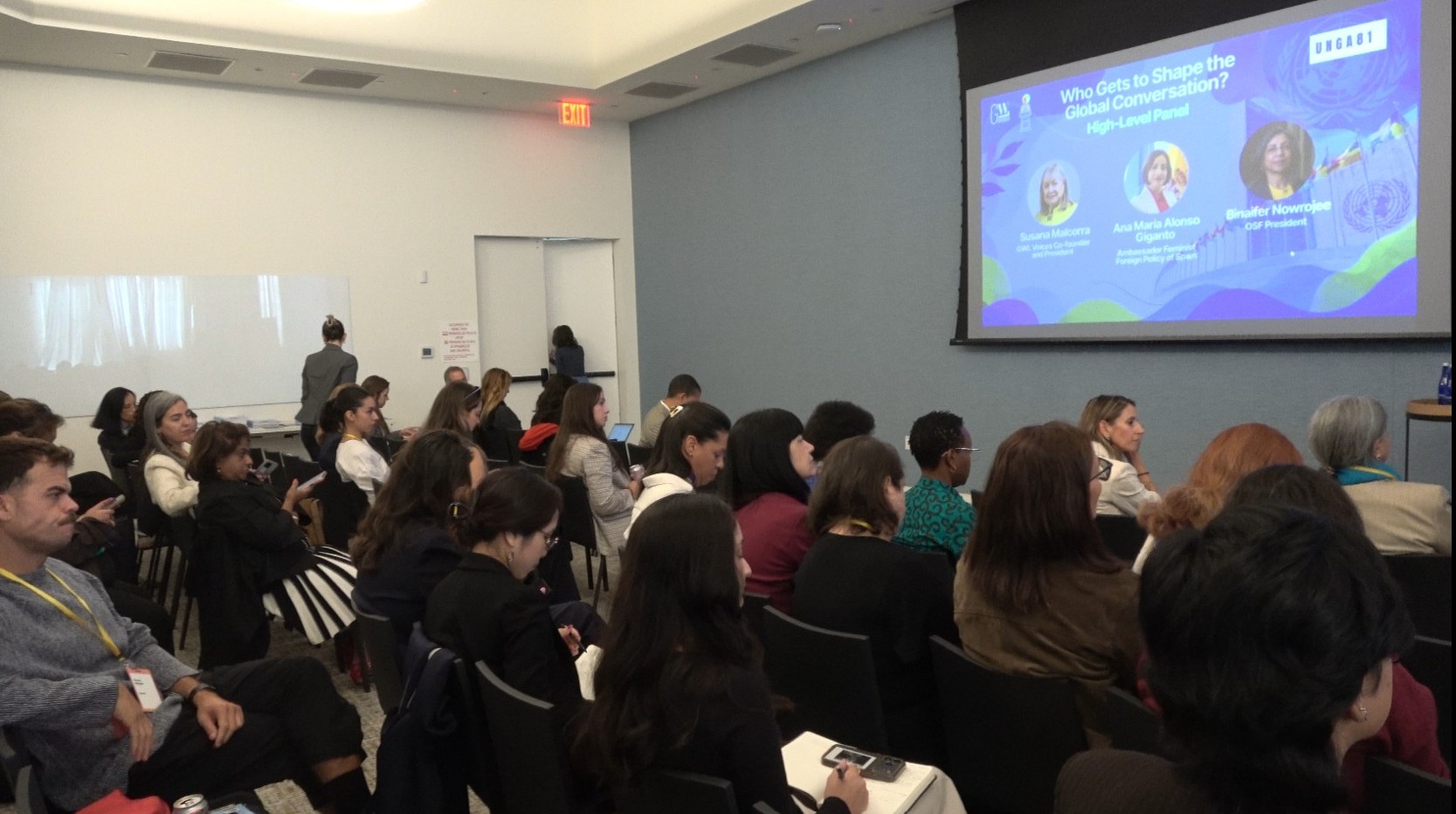
On September 23, GWL Voices (Global Women Leaders Voices) held a special event in New York titled “Who Gets to Shape the Global Conversation?” Organized by GWL Voices, the event brought together experienced leaders in international affairs, diplomacy, and multilateral institutions to discuss the qualities the next UN Secretary-General should possess and the kind of leadership the United Nations will need in the post-2030 era.
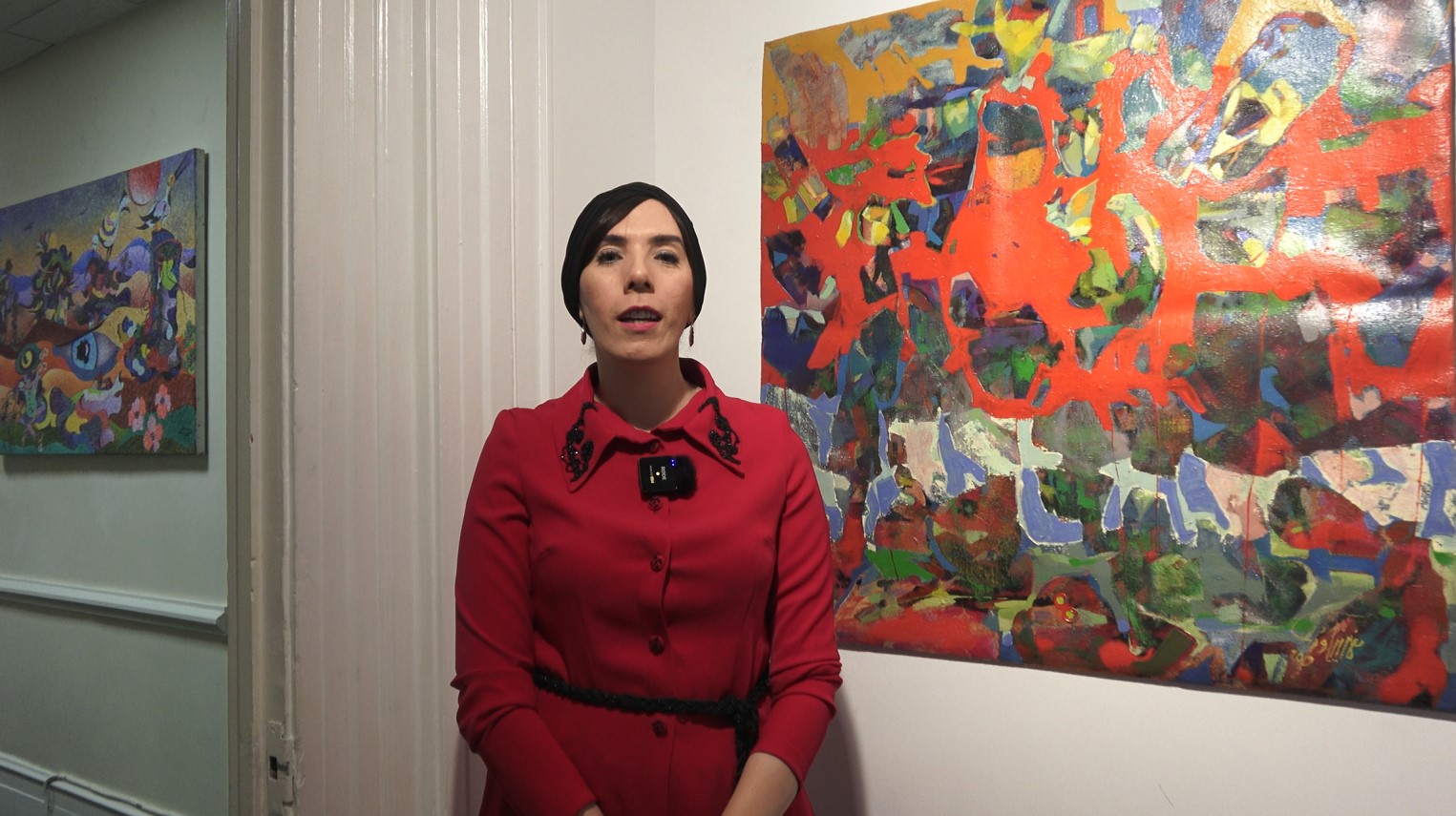
Celebrity Media interviewed GWL Voices President and Co-Founder Susana Malcorra, along with several guests and representatives of international organizations, to hear their views on the selection of the next UN Secretary-General, women's leadership, and the future of multilateralism.
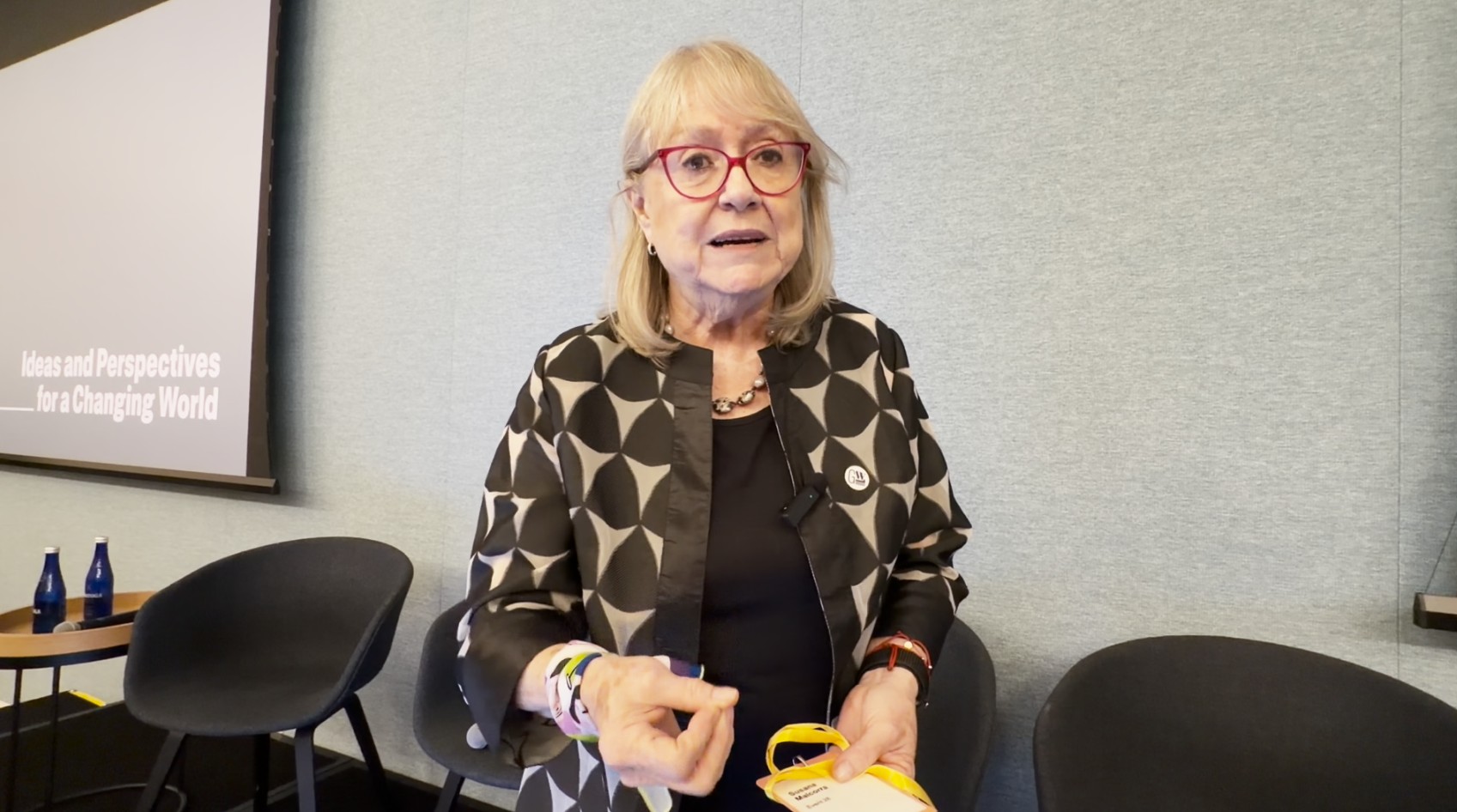
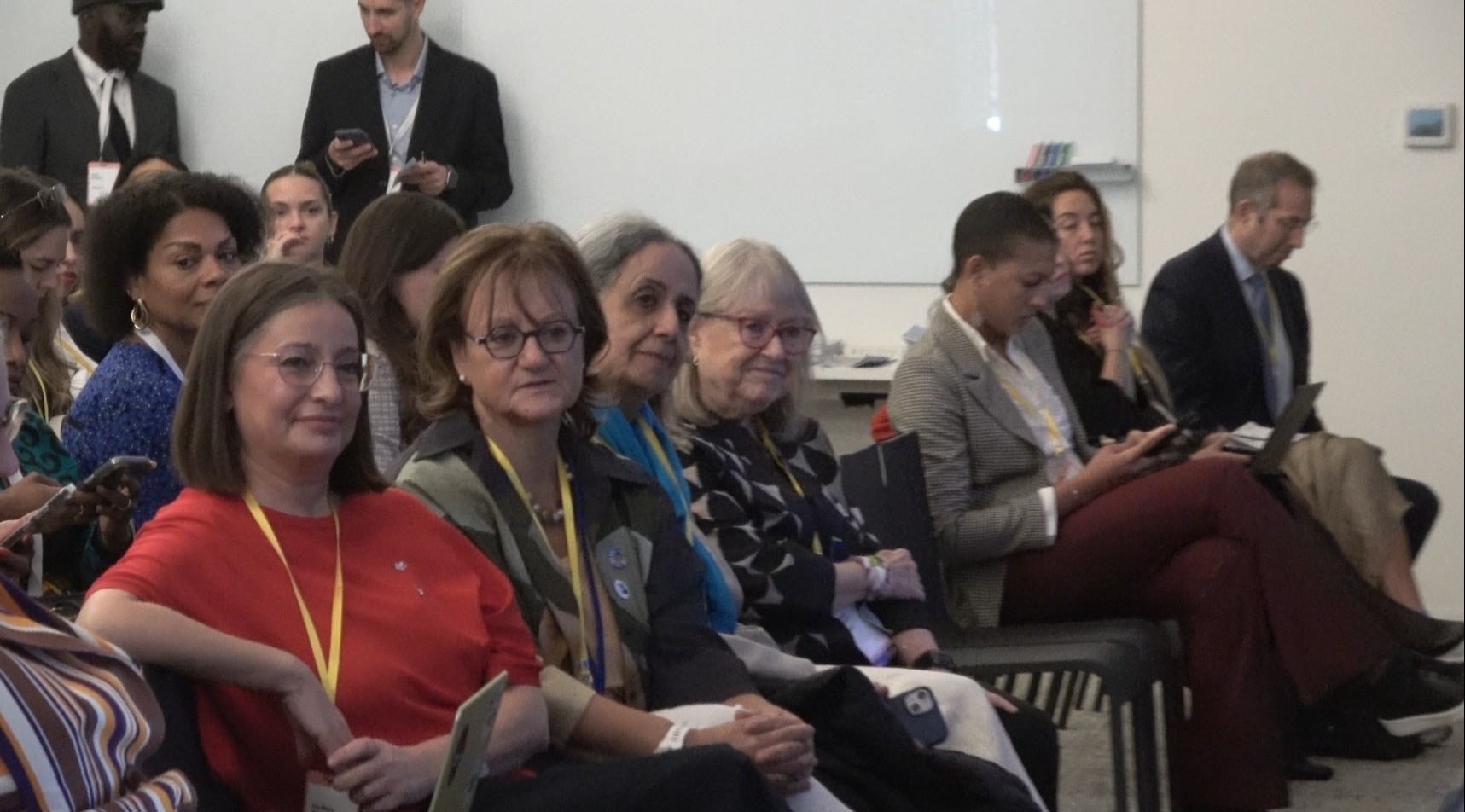
Malcorra previously served as Argentina’s Minister of Foreign Affairs and as Chief of Staff to the UN Secretary-General. In her interview, she discussed how the strong performance of female candidates in the current selection process has renewed attention to the possibility of the United Nations appointing its first woman Secretary-General.
She said that the presence of competitive female candidates creates an important opportunity for the United Nations. In her view, if a woman is ultimately appointed Secretary-General, the significance would extend beyond gender representation and could also bring a different style of leadership to the UN as it confronts the challenges of the 21st century.
When discussing the future reform of the United Nations, Malcorra highlighted one key word: “ecosystem.” She noted that, given the complexity and geographic scope of today’s global challenges, “the United Nations cannot and should not do everything.”
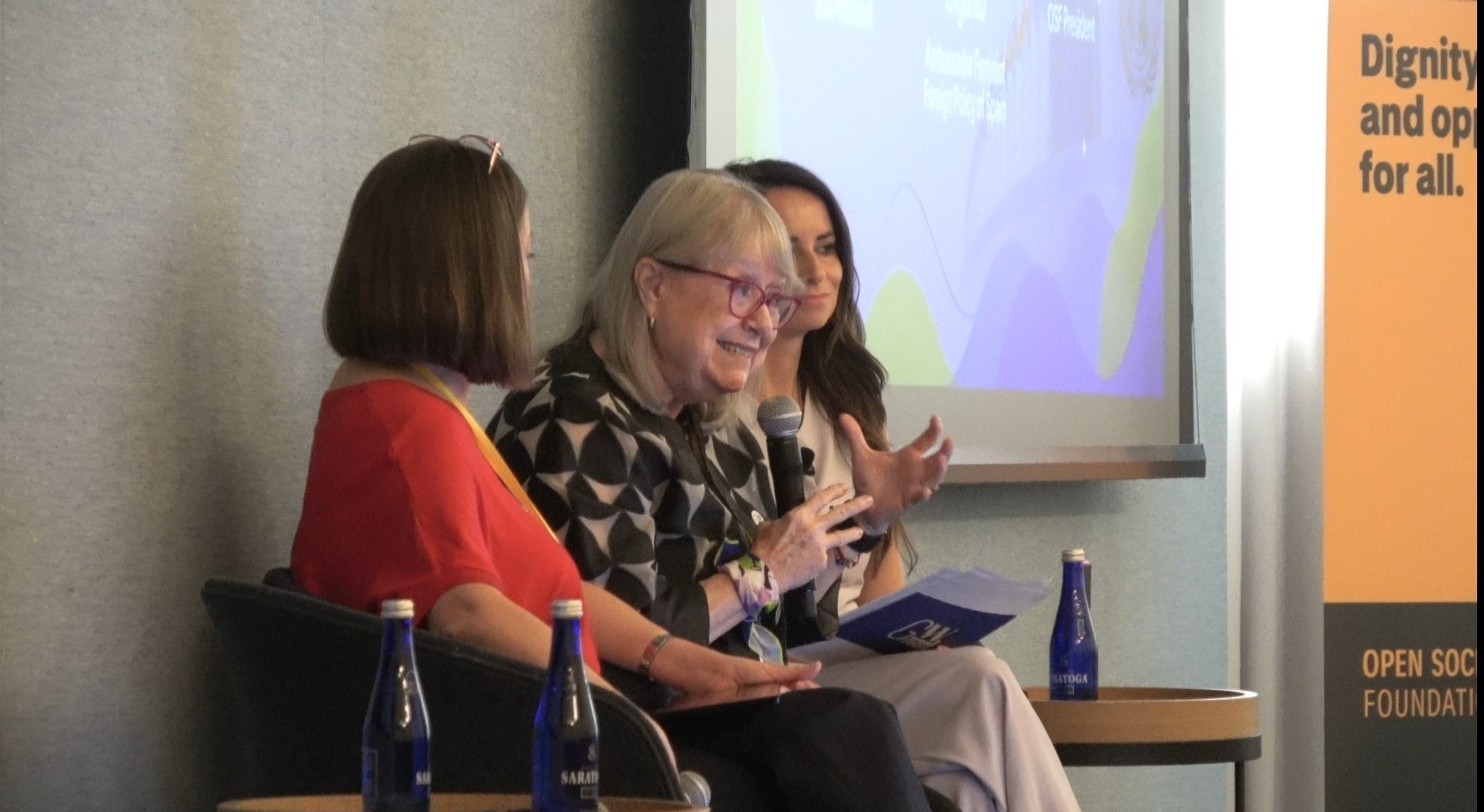
She argued that the future of multilateralism must go beyond any single institution and involve Member States, international organizations, civil society, and other stakeholders working together as an “ecosystem” capable of addressing global problems collectively.
“The next Secretary-General must be able to listen to all stakeholders,” Malcorra said. She noted that a new Secretary-General will not be able to solve every problem in a short period of time, and some challenges may ultimately have to be carried forward by future leaders. For that reason, building a strong team and bringing together a broad ecosystem of interested parties will be essential elements of future UN leadership.
This view is consistent with Malcorra’s broader advocacy for a “new multilateralism.” She has repeatedly emphasized that future international cooperation cannot remain confined within the United Nations system alone, but must also include regional organizations, civil society, city networks, and other forms of international cooperation within a broader framework.
A Woman Secretary-General: Beyond Representation, Leadership Matters
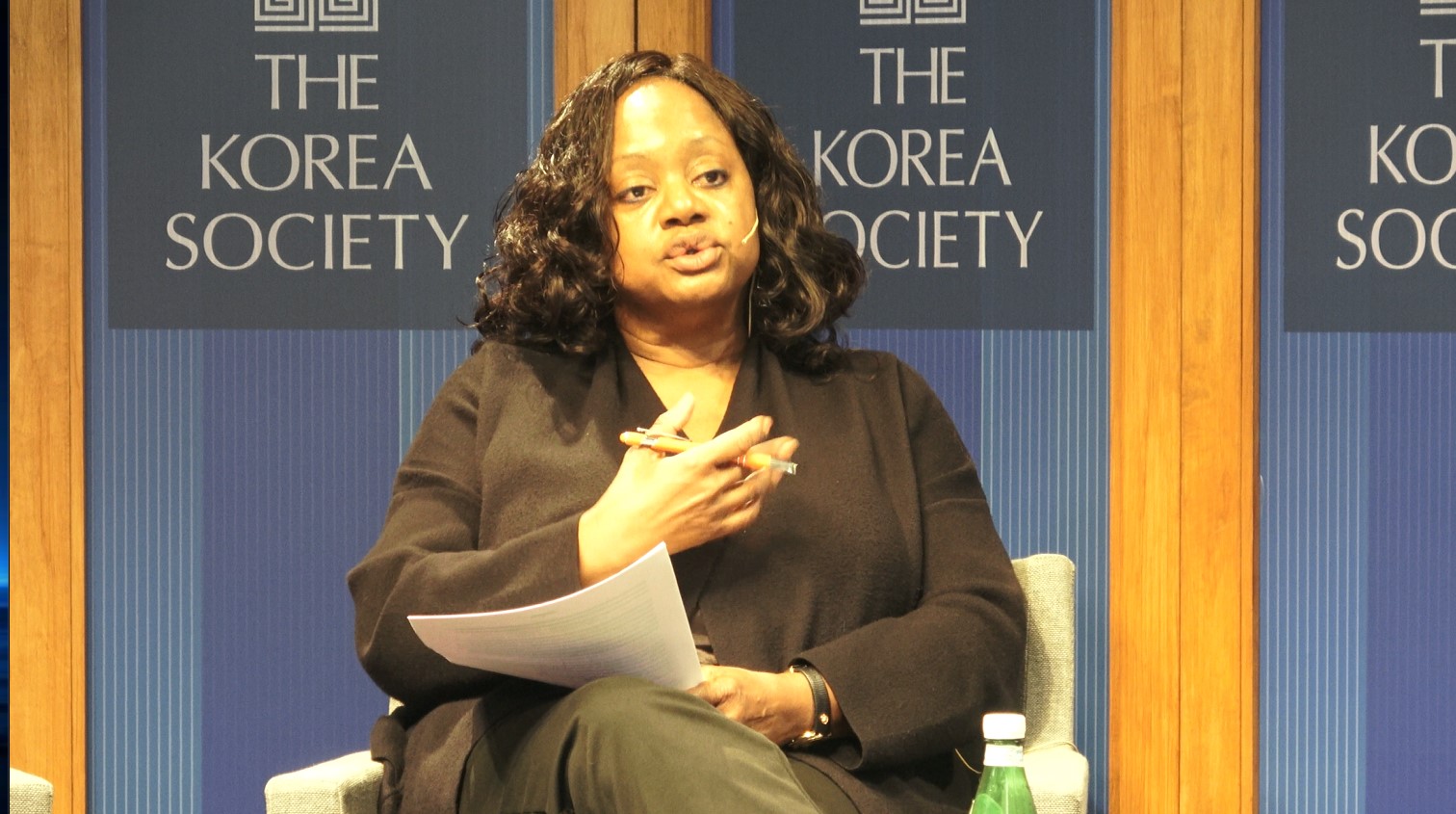
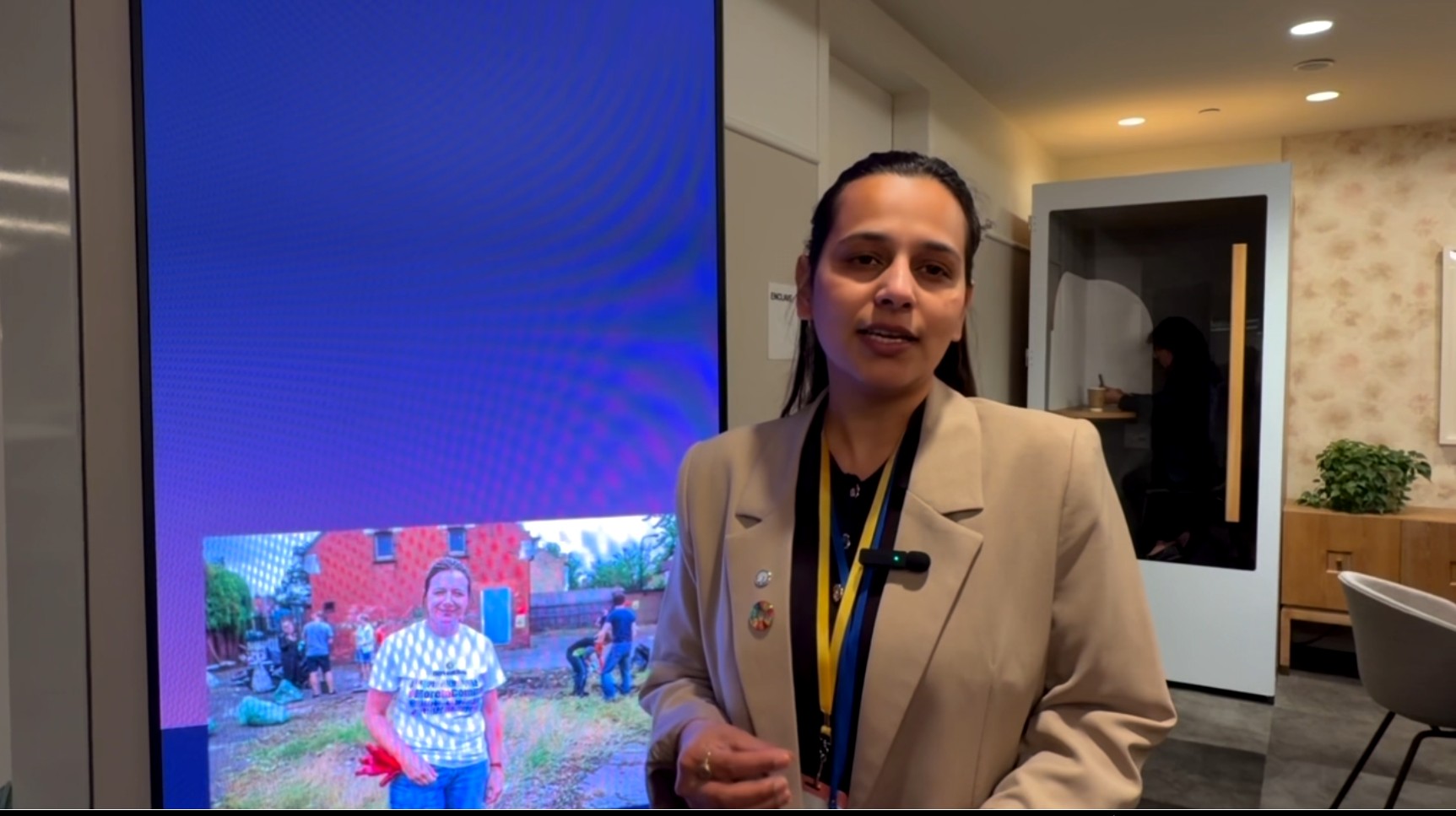
Celebrity Media also interviewed Vrushali Gaikwad, a UN representative of The Light Millennium who was attending events related to the United Nations General Assembly.
Gaikwad said that having a woman serve as the next UN Secretary-General would represent a significant step forward in both international leadership and gender representation.
At the same time, she stressed that gender alone should not be the only consideration.
She said, “Ultimately, we need a leader with strong diplomatic skills, great leadership skills, who supports the principles of the United Nations and is capable of addressing global challenges.”
In her view, if a qualified woman ultimately becomes Secretary-General, she would not only serve as a female leader but would also send an important message to women around the world.
“The world is full of powerful women,” she said. “We are looking for great leadership.”
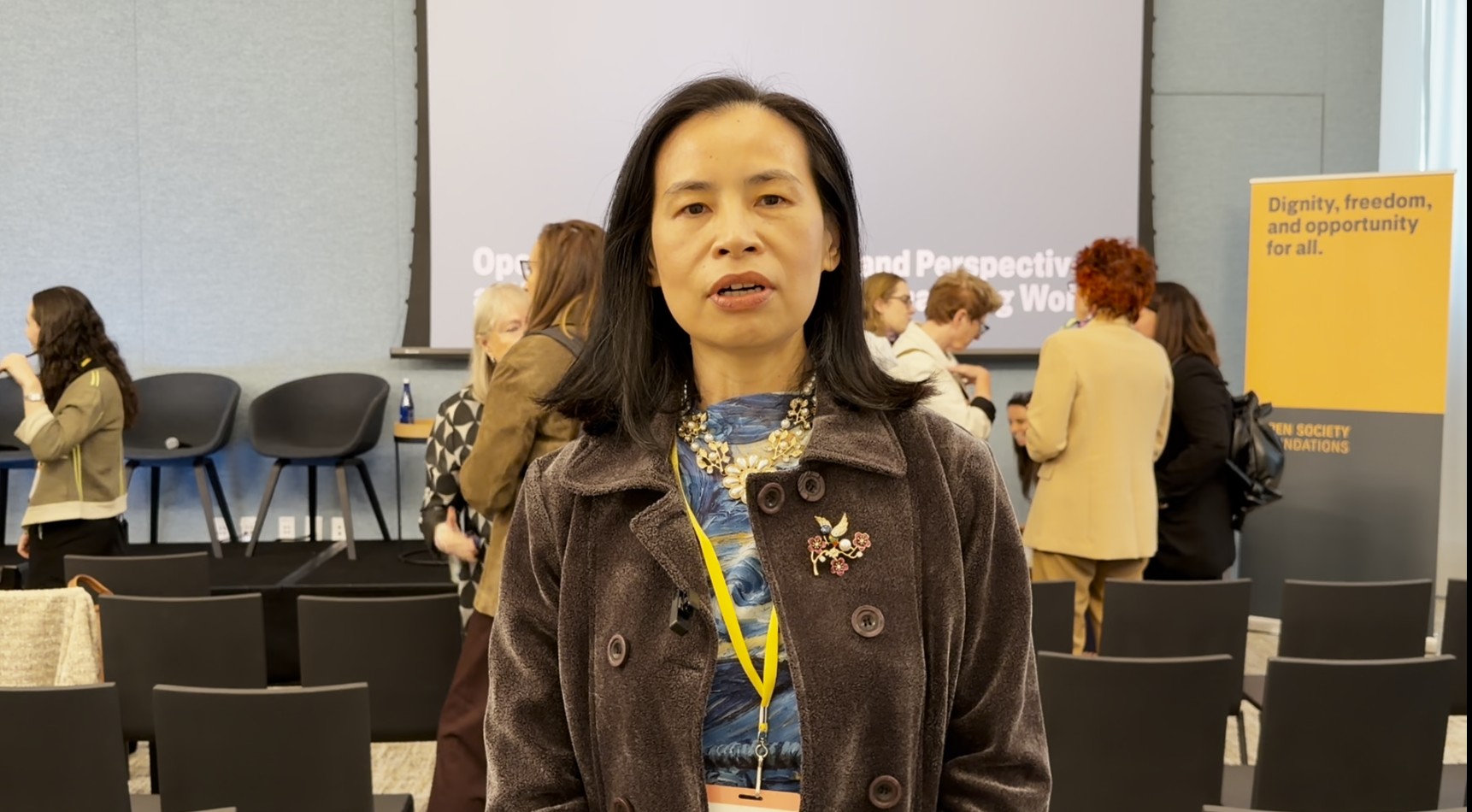
“Women Candidates Should Be Considered on the Basis of Merit”
Another guest interviewed by Celebrity Media approached the issue of a woman Secretary-General from the perspective of merit and fair competition.
She said that the selection of the next Secretary-General should be based on meritocracy — qualifications and ability. At the same time, female candidates should be given a genuine opportunity to be seriously considered on the basis of their credentials.
She noted that previous Secretary-General selection processes had included a number of highly experienced and well-qualified women. “They had the background, the qualifications, basically everything, but they were still passed over.”
She said this raises the question of whether a “glass ceiling” still exists at the highest levels of international leadership.
“It is about time that the UN and the world seriously consider a qualified, highly intelligent woman candidate who can help reform and transform the United Nations and the world.”
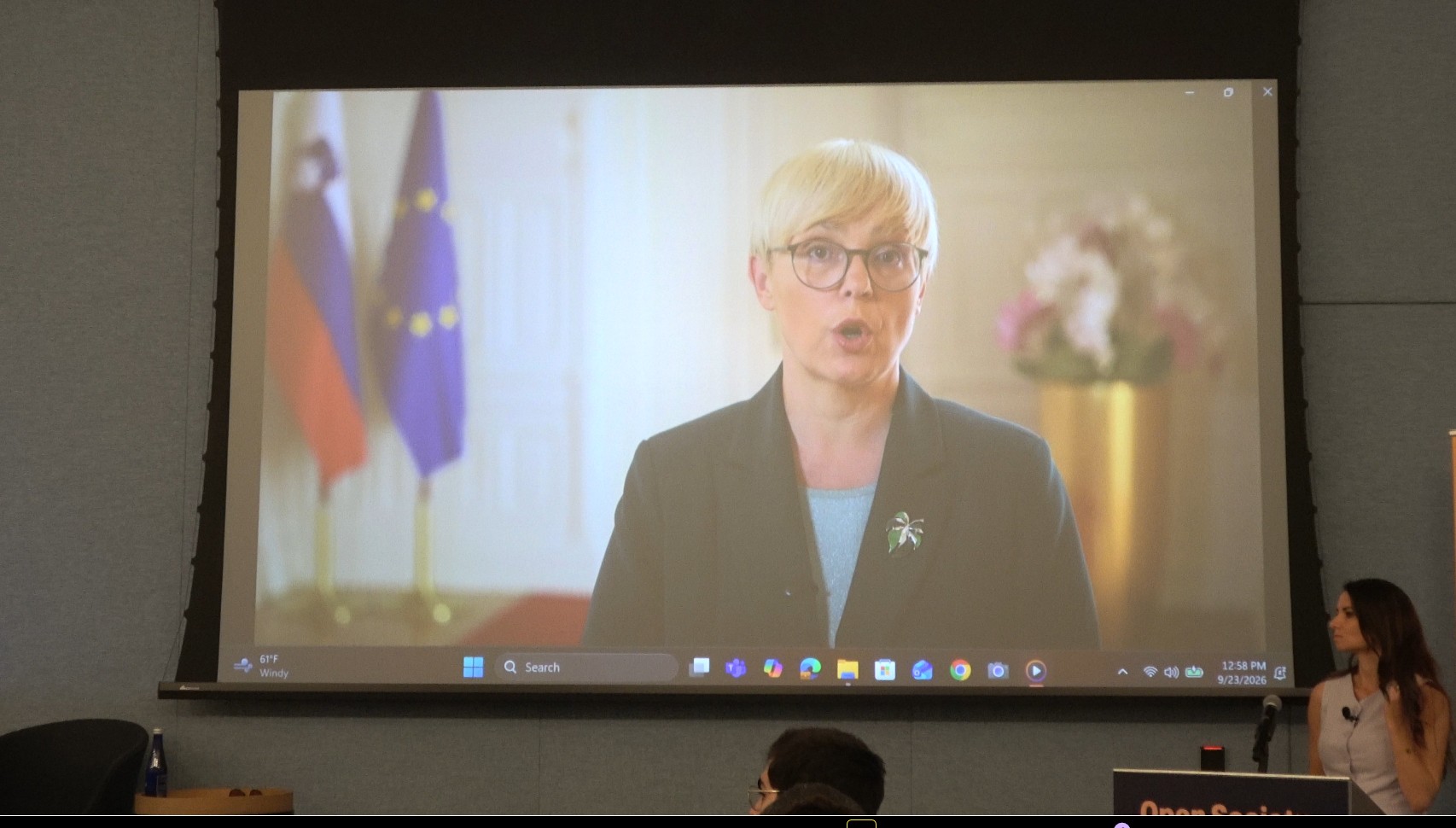
From “Choosing a Woman” to “What Kind of Leader Does the World Need?”
The discussion did not remain focused solely on gender. Participants repeatedly emphasized that future global leaders need qualities such as the ability to listen, care, empathy, inclusiveness, equity, and respect for human dignity.
One guest noted that these qualities “are not exclusive to women,” but that after more than 80 years of the United Nations — during which every Secretary-General has been a man — the appointment of the first woman Secretary-General would carry important symbolic significance. Such an appointment, she argued, would send a clear message to the world: the highest leadership position in the multilateral system should not be regarded as belonging by default to one gender.
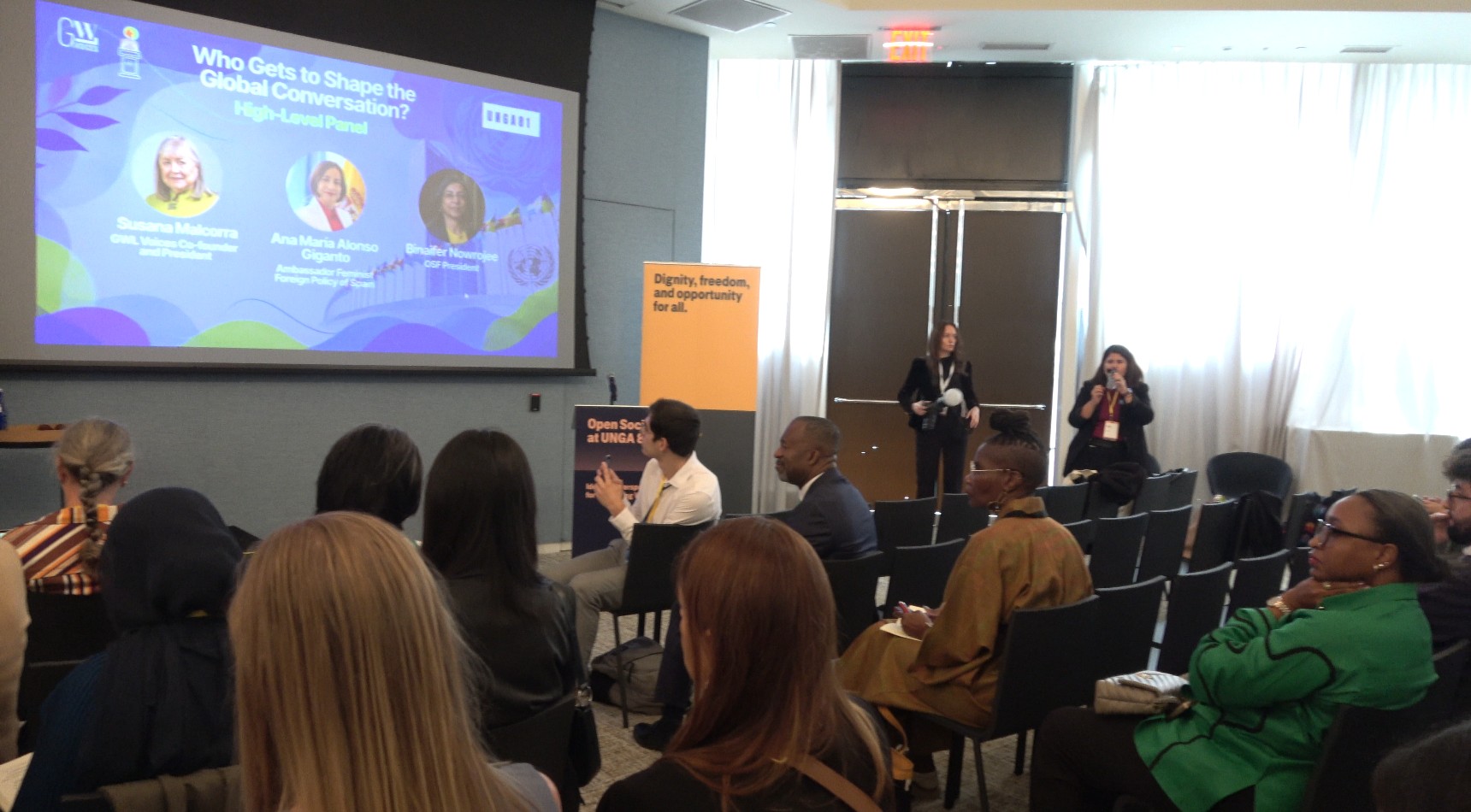
GWL Voices also emphasized that the central question of the event was not simply:
“Should the United Nations have its first woman Secretary-General?”
Instead, the discussion sought to go further and ask: “What kind of leadership does the world need today?” and “What kind of leadership will allow multilateralism to remain effective beyond 2030?”
The formal selection process for the next UN Secretary-General is still underway. Under Article 97 of the United Nations Charter, the Secretary-General is appointed by the General Assembly upon the recommendation of the Security Council. The United Nations has already held several rounds of interactive dialogues with candidates, allowing Member States, civil society, and the public to learn more about their experience, policy priorities, and visions for UN reform.
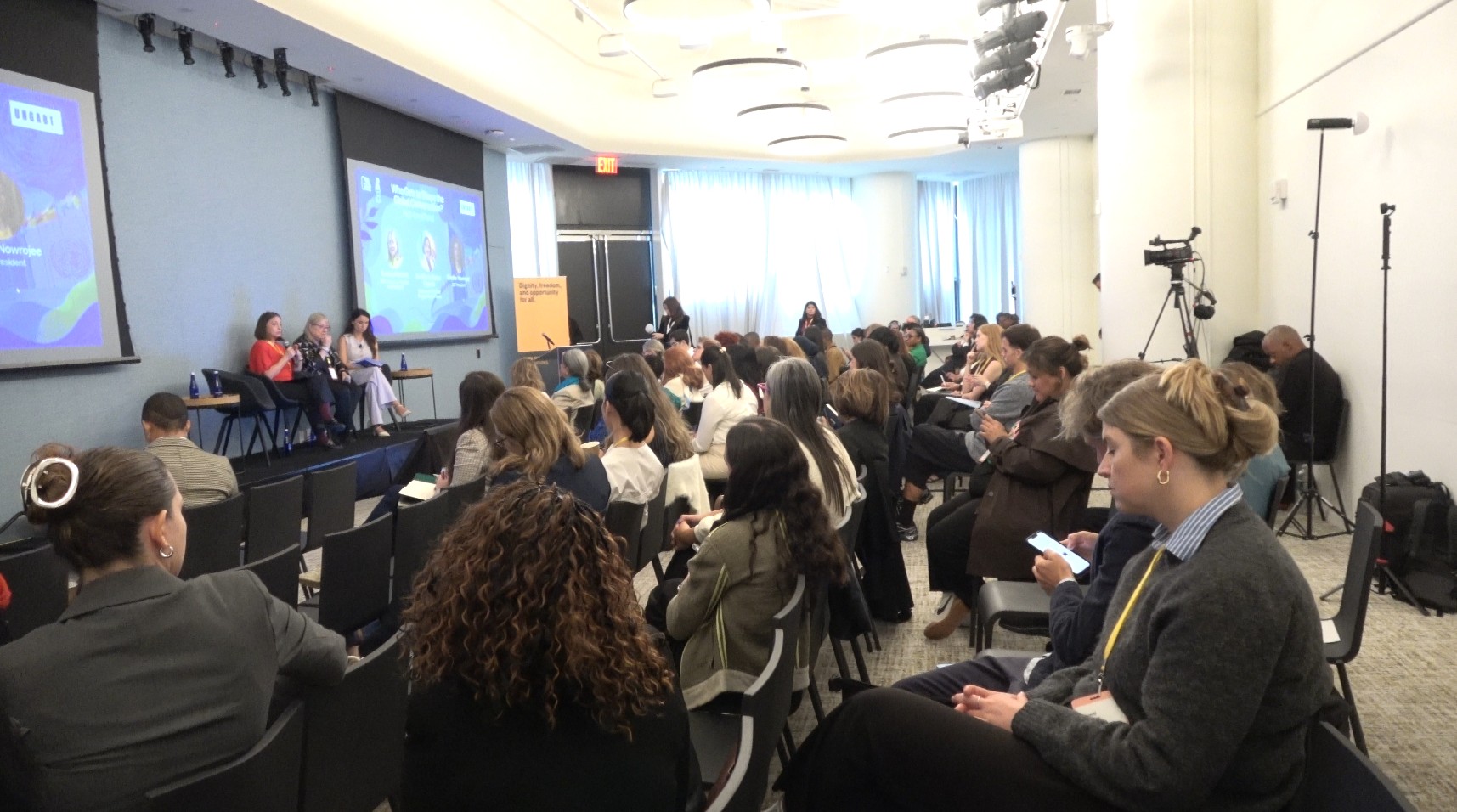
Based on Celebrity Media’s interviews with several guests at the event, the debate over the next Secretary-General has clearly moved beyond gender alone. Whether a woman will become the first to hold the United Nations’ highest leadership position remains a major focus of attention. But the deeper question is what kind of leader the UN needs at a time of global conflict, geopolitical fragmentation, and growing pressure on international cooperation — and who can help bring together the organization’s 193 Member States and the broader international community.
This is also the central question behind “Who Gets to Shape the Global Conversation?”