 Celebrity Media TV
From Institutional Safeguards to Humanistic Care: A Thanksgiving Observation on Senior Care Services in New York's Chinese Community
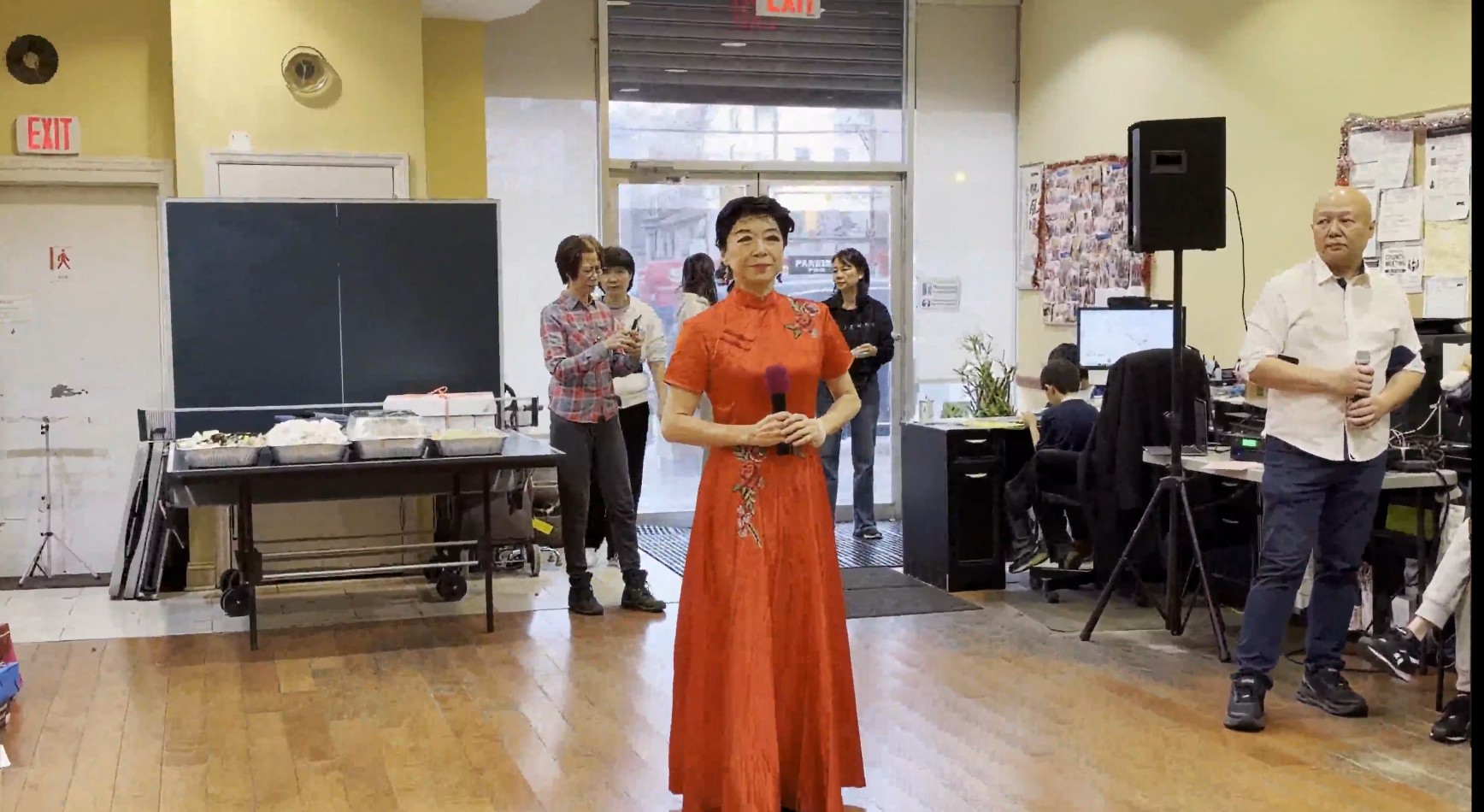
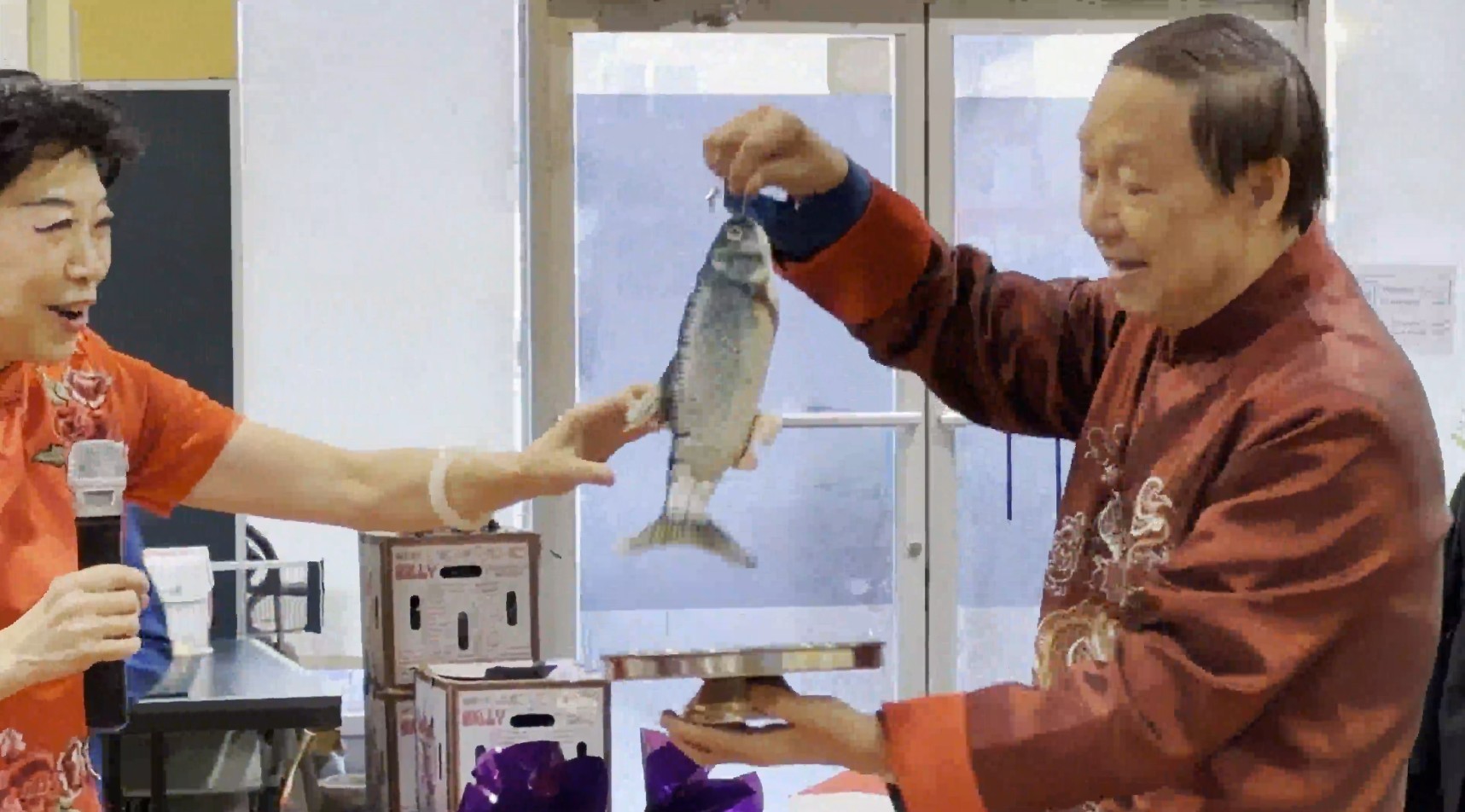
Celebrity Media Commentary: On November 26, 2026, coinciding with the annual American Thanksgiving, Love and Joy Senior Day Care in Brooklyn, New York, and Glory Gospel Chinese Church jointly held a Thanksgiving party, spending this warm and traditional holiday with the seniors of the community through a rich variety of stage performances, interactive games, a lucky draw and a Thanksgiving feast.
From Cantonese opera choruses, ocarina performances and Huagu opera, to solos, duets, steel tongue drum and magic performances, the rich program not only showcased the charm of traditional Chinese culture, but also gave seniors a stage on which to show their talents, share their feelings and enjoy life.
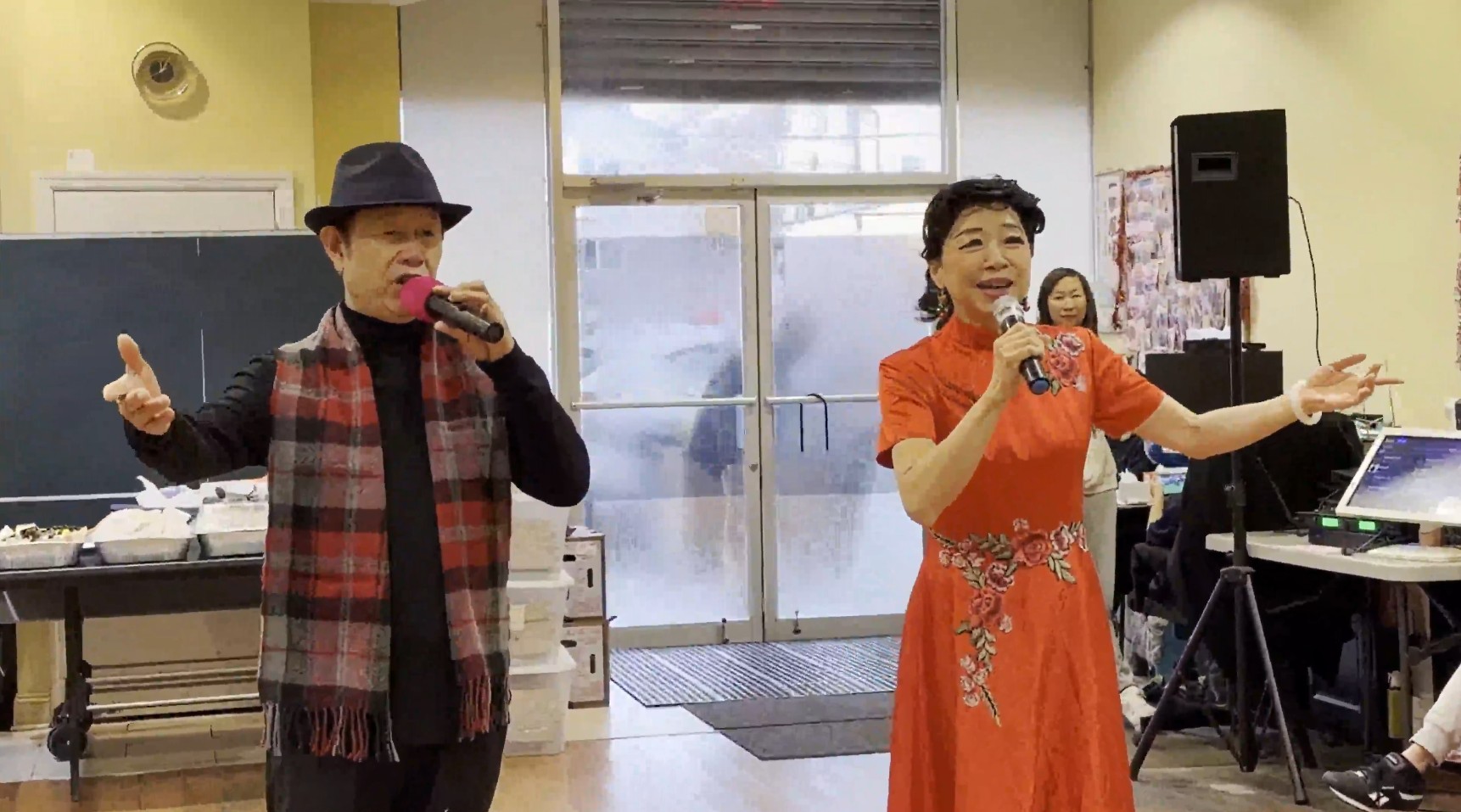
In Celebrity Media's view, this was not only a holiday celebration, but also a vivid window through which to observe the American community senior care service system, the building of Chinese communities, and social humanistic care.
The American Community Senior Care System: From Daily Care to Social Participation
Since the United States enacted the Older Americans Act in 1965, it has gradually built a senior services system in which the government, professional service providers and social organizations all take part. Among its important policy concepts is “Aging in Place,” which means that, through social support and professional services, seniors can spend their later years in familiar homes and communities for as long as possible.
New York State provides support to eligible seniors through services such as Social Adult Day Care and through a managed long-term care system under Medicaid. New York City also provides community seniors with nutritious meals, cultural and recreational activities, health education and social interaction services through its widely distributed senior centers.
These policies reflect a shift in modern concepts of senior care: care for the elderly is not only about meeting their basic living and health needs, but also about safeguarding their personal dignity, mental health and capacity for social participation.
For elderly Chinese immigrants, language barriers, cultural differences and a shrinking social circle can all affect the quality of life in later years. Senior centers with Chinese cultural characteristics can not only provide daily services, but also create conditions for them to build social relationships, sustain their cultural identity and reduce loneliness.
When seniors step onto the stage to show their talents and share their joy, they are no longer merely recipients of services, but participants in and creators of the community's cultural life.
The Integration of the Chinese Tradition of Respecting the Elderly and the American Concept of Community Senior Care
Chinese culture has always valued respect for the elderly and love for family, family responsibility and mutual support, while the American community senior care system provides institutional support for seniors' independent living and social participation through public policy and social resources.
The two can complement each other beneficially. Traditional family-based senior care does not mean that children must bear all the care responsibilities alone, and modern socialized senior care cannot replace family affection and emotional companionship. The ideal model of senior care should be an organic combination of government safeguards, professional services, family responsibility and community care.
This Thanksgiving party is precisely a reflection of the integration of the traditional Chinese virtue of respecting the elderly with the spirit of gratitude, sharing and caring advocated by American Thanksgiving.
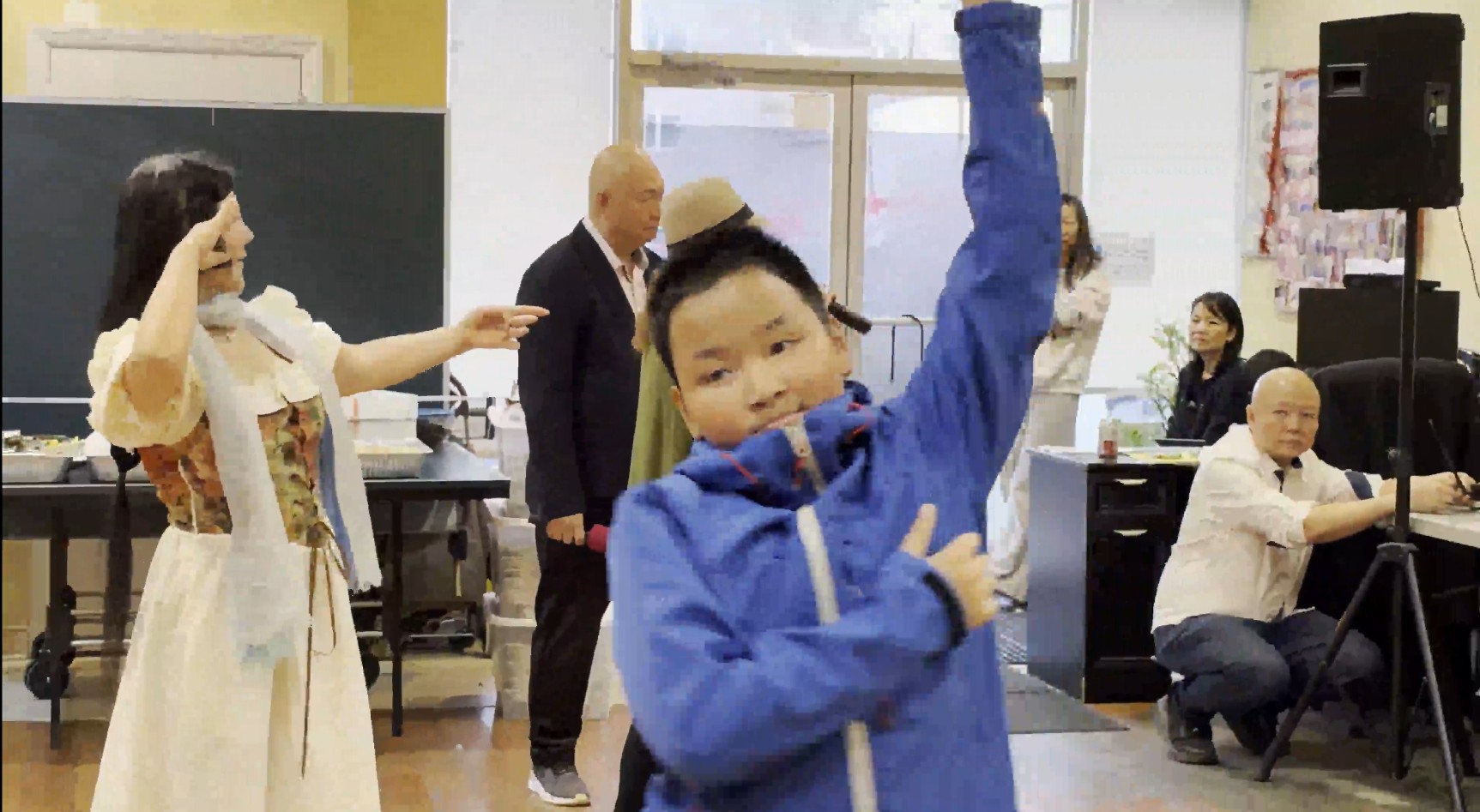
Community Institutions and Churches Join Hands to Deepen Social Care
The cooperation between Love and Joy Senior Day Care and Glory Gospel Chinese Church also shows the positive significance of religious groups taking part in community public welfare services.
In the American social service system, churches, charities, non-profit organizations and volunteers have long been important forces of social support. The government can establish systems and provide resources, and professional institutions can ensure the quality of services, but sincere care and emotional connection between people require the joint participation of all sectors of society.
The Christian ideals of loving others as oneself, caring for the weak and serving others have many points of agreement, in public welfare practice, with the personal dignity and humanistic care valued by modern society.
To measure the effectiveness of senior care services, it is necessary to look not only at how many meals were provided and how many activities were held, but even more at whether these services can truly help seniors reduce loneliness, stay active, build friendships and improve their quality of life.
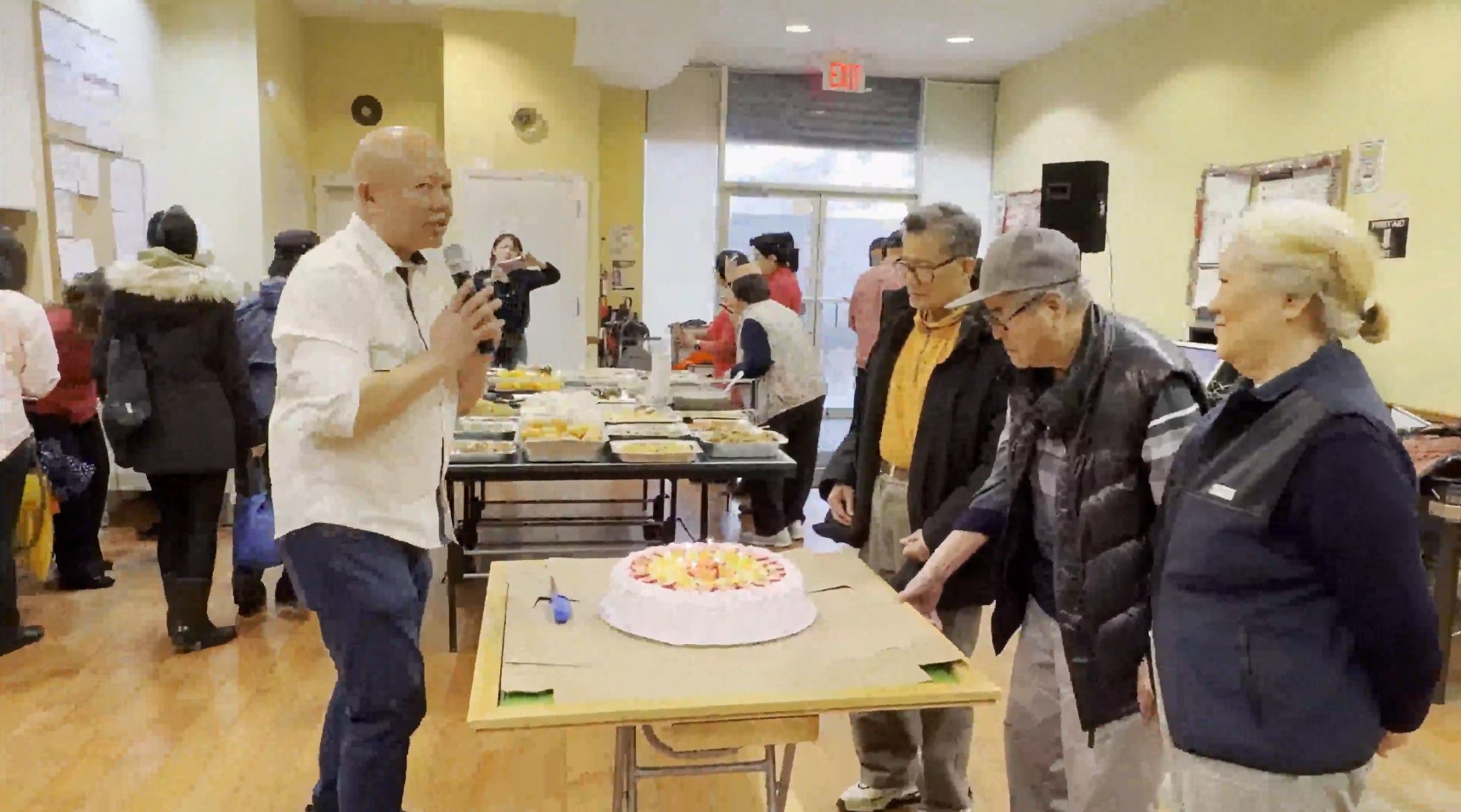
Treating Seniors Well Is an Important Reflection of Social Civilization
Gratitude is not only a holiday sentiment but also an attitude toward life; respecting the elderly is not only a traditional virtue but also a social responsibility.
What Celebrity Media pays attention to is not only the holiday celebration itself, but even more the efforts that community institutions and churches have made in serving seniors, promoting social integration and conveying humanistic care.
A warm society cannot do without respect and companionship for its seniors; a cohesive community needs, even more, sincere care and connection between people. Enabling seniors to be provided for, to have support, to enjoy their later years and to remain useful should become a civilizational value pursued by the whole of society.
On the occasion of Thanksgiving, Celebrity Media extends its respects to all those who work quietly and serve the community with enthusiasm, and wishes all readers and friends from all walks of life a happy Thanksgiving, family happiness, safety and blessings.