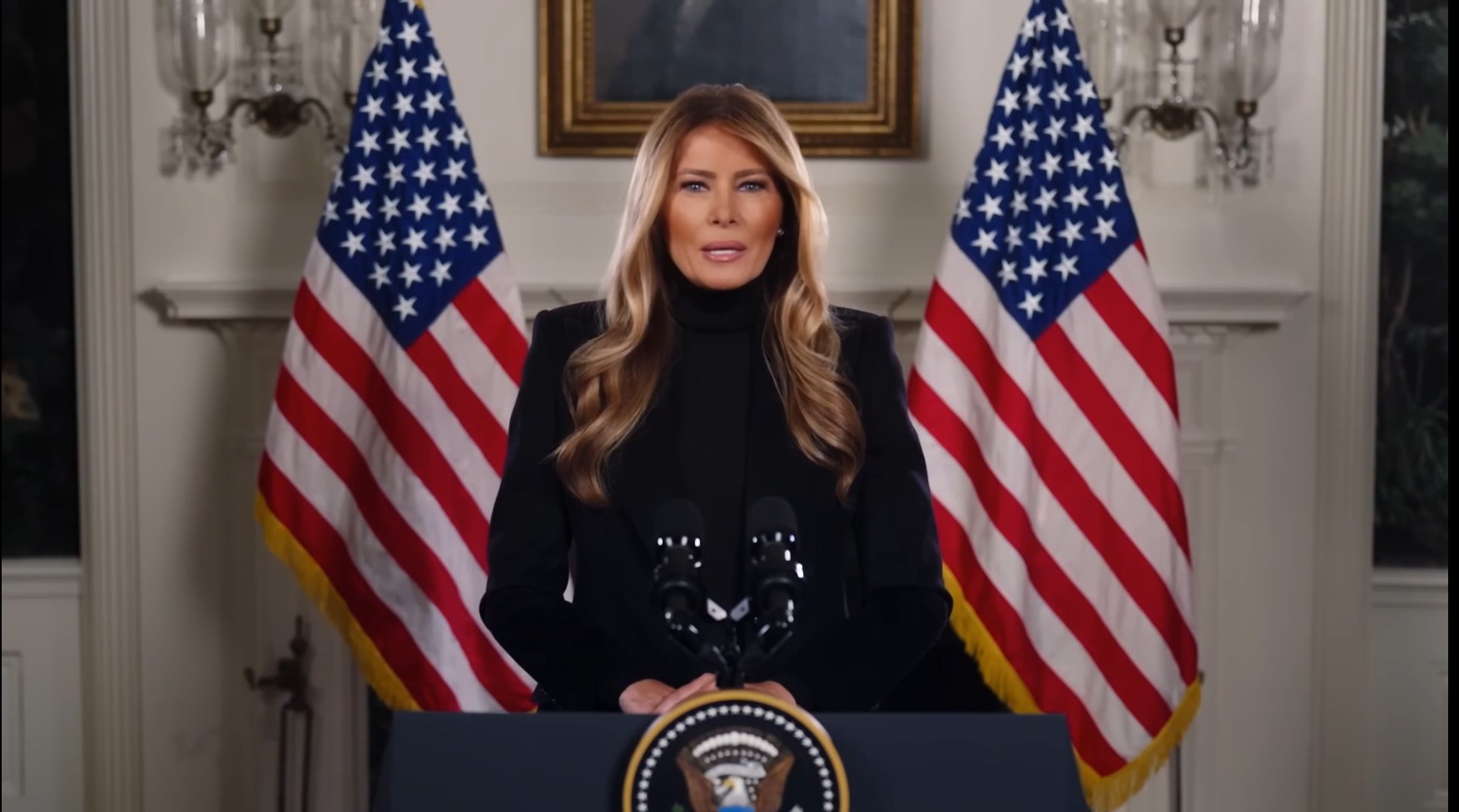
Celebrity Media Commentary: A few days ago, U.S. First Lady Melania Trump delivered a speech at an online event in collaboration with Zoom (livestreamed via the Zoom platform). Against the backdrop of artificial intelligence rapidly reshaping education, the creative industries, and modes of knowledge production, Melania Trump’s remarks—centered on “curiosity and freedom of thought”—offer an important value reference for current global discussions on AI governance and the future direction of education.
Rather than portraying artificial intelligence as a universal solution to social problems, the speech clearly raised a core policy question that cannot be avoided: as technological capabilities continue to expand, how can we ensure that human beings do not lose their capacity for independent judgment, value choice, and meaning-making? She emphasized that while AI can generate information and content, it cannot generate meaning or purpose—precisely the irreplaceable role of human beings.
From a public policy perspective, this position carries practical significance for current education reform and technology governance. As AI tools are rapidly introduced into classrooms, creative workflows, and decision-support systems, policy discussions often focus on “how to apply technology more efficiently,” while giving far less systematic attention to “how to protect the intellectual sovereignty of learners and citizens.” The repeated emphasis in the speech on “not handing over thinking itself to artificial intelligence” serves as a direct reminder of this structural imbalance.
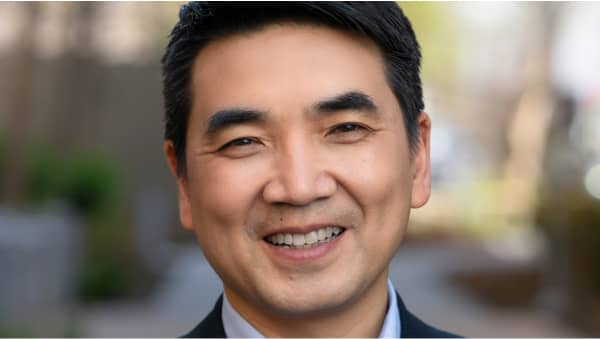

Notably, she elevated “curiosity” as a core capability rather than a personal trait. Within this framework, curiosity is understood as the capacity to ask questions, understand motivations, discern what truly matters, and move beyond existing answers. This capability closely aligns with the United Nations’ long-standing advocacy of critical thinking, lifelong learning, and “quality education” under the Sustainable Development Goals. It emphasizes not only the acquisition of knowledge, but also the cultivation of judgment and responsibility.
Globally, artificial intelligence is lowering the barriers to creation and technological participation, enabling more young people to engage in cultural, artistic, and innovative practices. This trend is inherently positive. However, without clear value guidance and institutional safeguards, the widespread adoption of technology may also lead to intellectual inertia, increased dependency, and even unconscious submission to algorithmic authority. The human-centered position articulated in the speech provides policymakers with an important principled boundary.
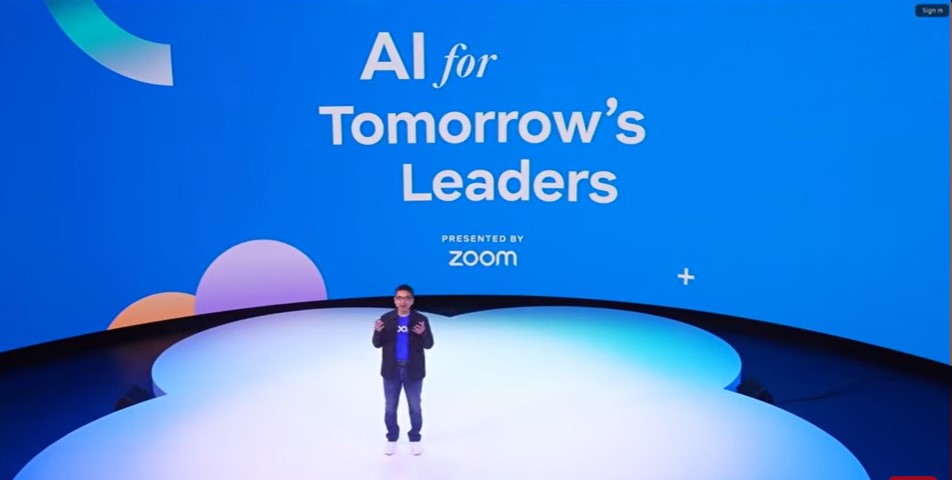
From a United Nations perspective, future AI-related policies and education strategies should not focus solely on the diffusion of technical capabilities, but also on the protection and strengthening of human cognitive capacities. Artificial intelligence should be positioned as a tool that supports human creativity and understanding, rather than as a substitute for value judgment and ethical reflection.
In a world increasingly accelerated by algorithms, freedom of thought does not emerge naturally; it must be consciously safeguarded. Preserving curiosity, encouraging questioning, and emphasizing the sources of meaning and purpose are essential prerequisites for ensuring that technological progress serves human dignity and sustainable development. This message allows the speech to transcend the level of personal reflection and become an important value reminder for global governance and education policy in the age of AI.