 Celebrity Media TV
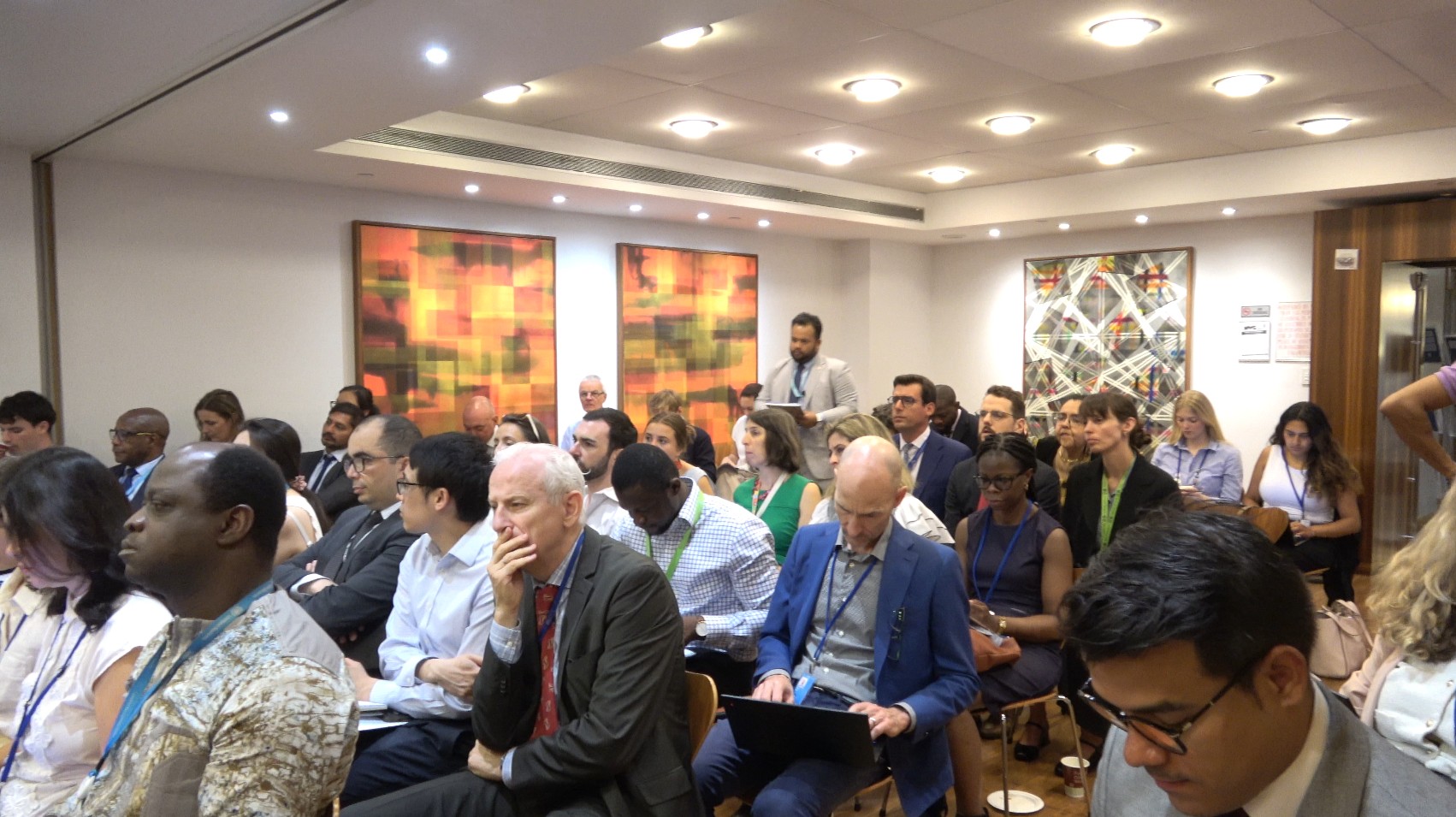
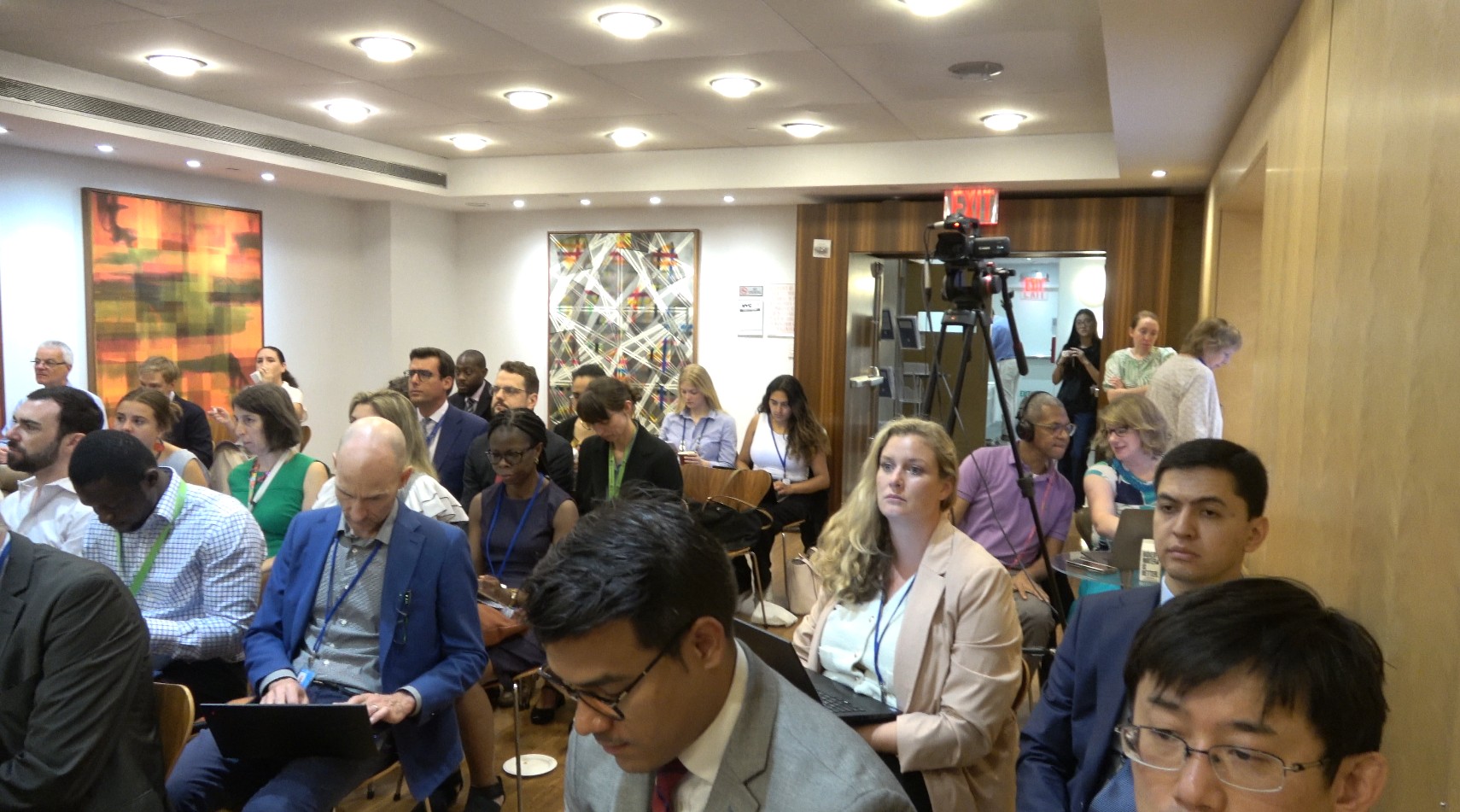
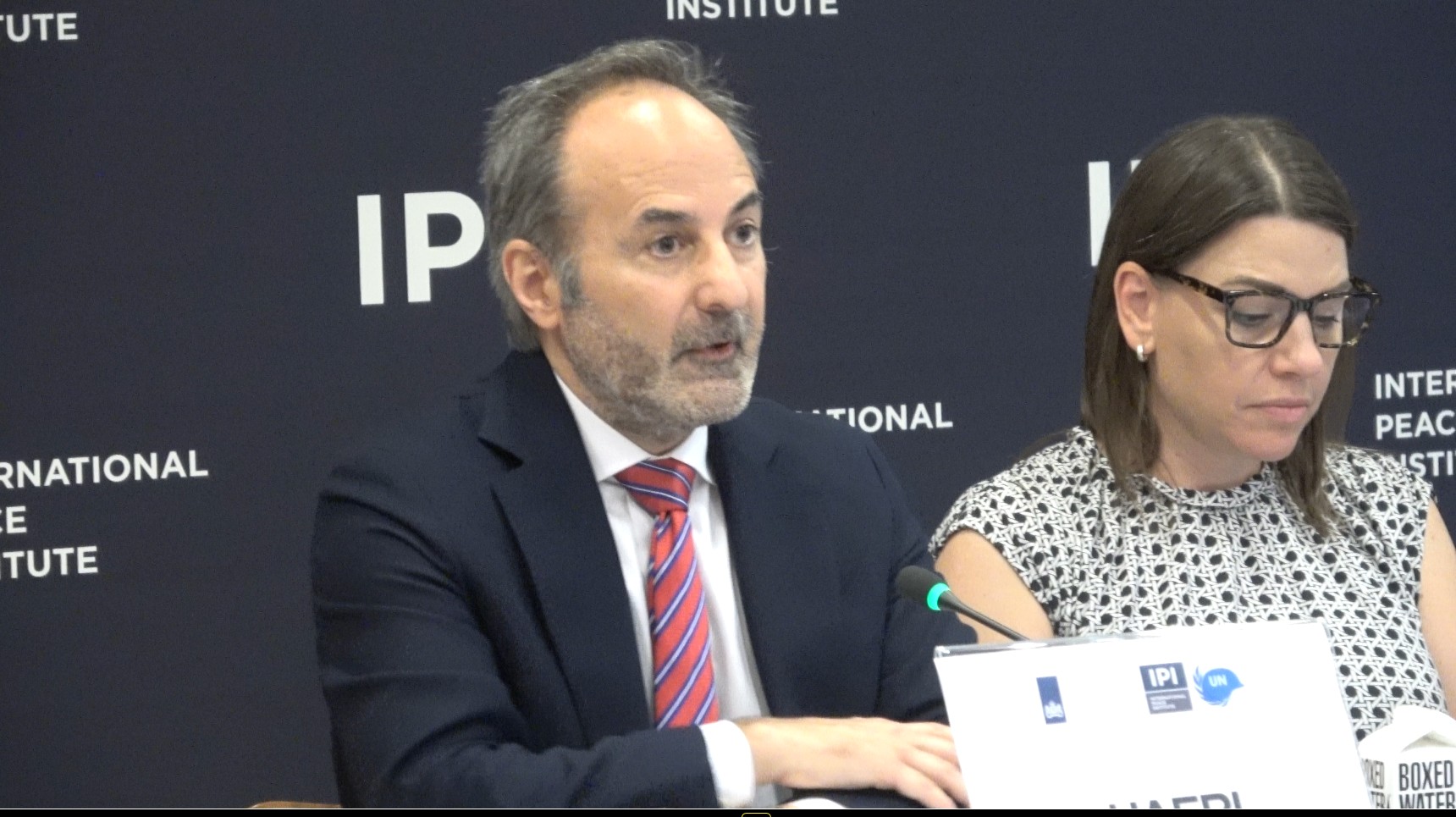
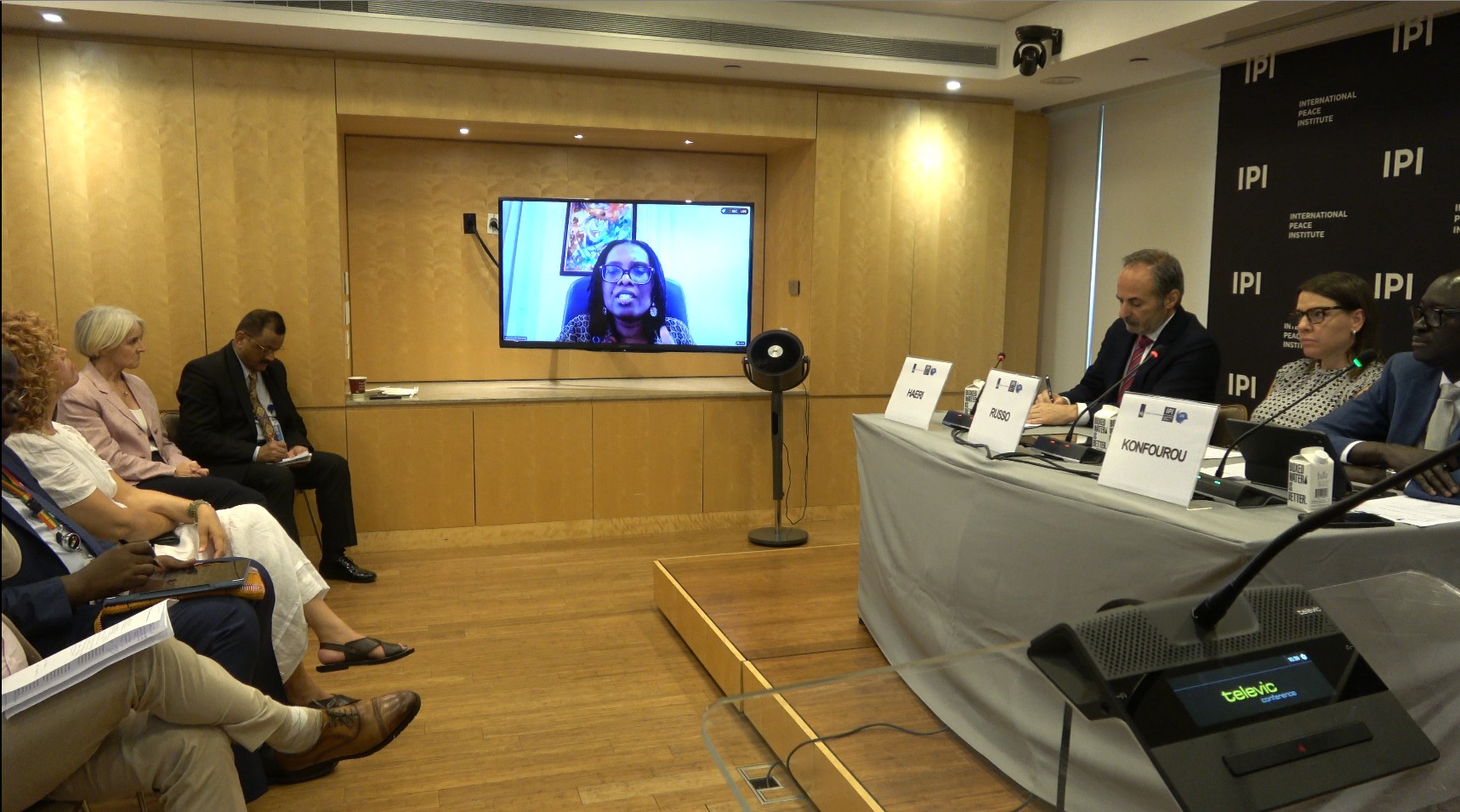
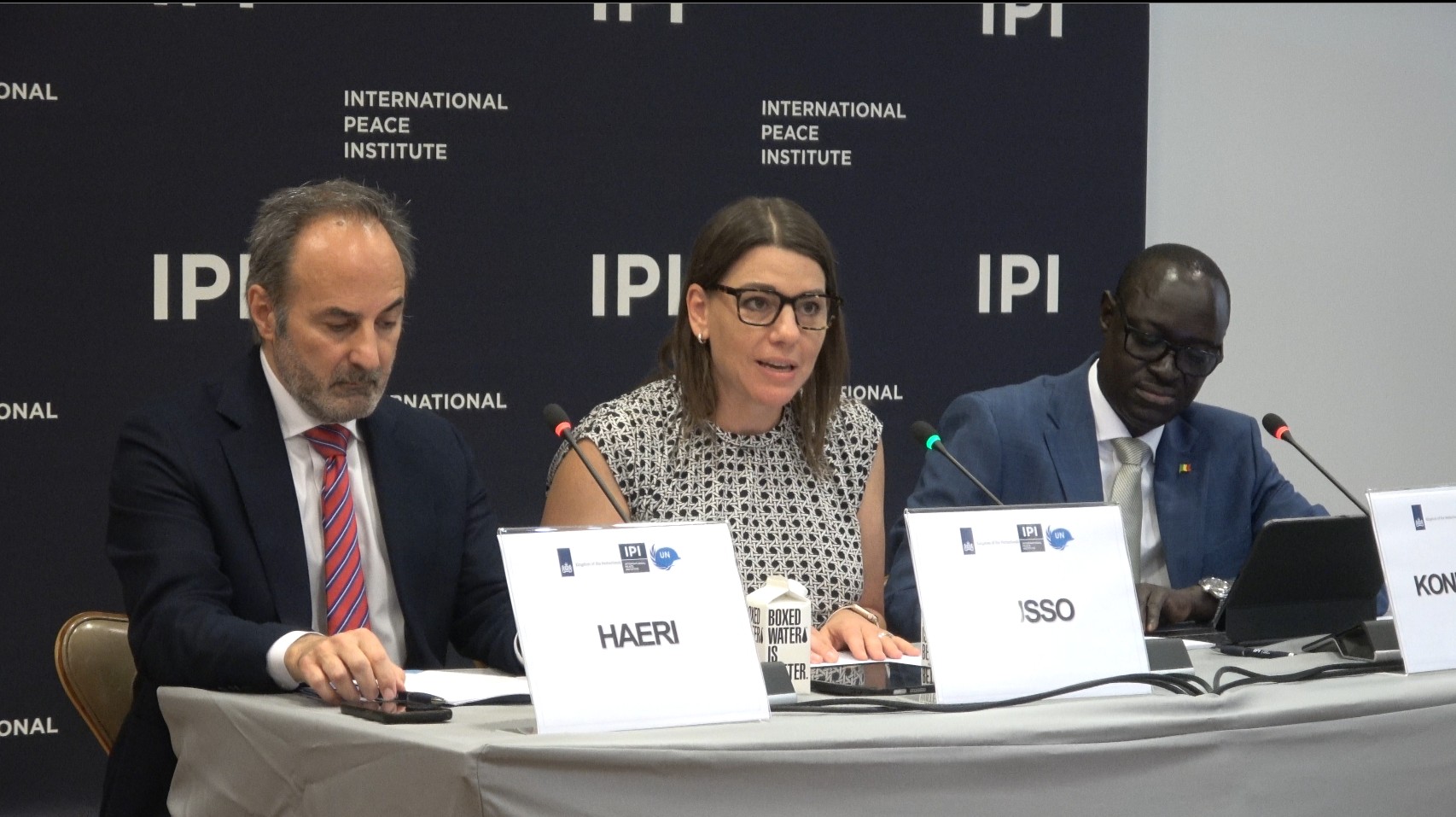
Celebrity Media:July 13, 2026 — The International Peace Institute (IPI), in partnership with the Permanent Mission of the Kingdom of the Netherlands to the United Nations and the Policy, Evaluation and Training Division of the UN Department of Peace Operations (DPO), convened a hybrid public policy forum examining the lessons of the United Nations Multidimensional Integrated Stabilization Mission in Mali (MINUSMA).

The discussion brought together UN officials, Malian representatives, former mission leadership, regional experts, researchers, and peacekeeping practitioners to consider what MINUSMA’s decade-long deployment reveals about the future of UN peace operations.
IPI representatives noted that MINUSMA operated in one of the most difficult environments ever faced by a UN peacekeeping mission. The mission worked amid persistent political instability, asymmetric attacks, terrorist threats, deteriorating relations with the host authorities, and declining consent for its presence. Despite these challenges, it played an important role in protecting civilians and sustaining a fragile peace process.

 Participants also paid tribute to the personnel who lost their lives while serving the mission. DPO officials said 311 peacekeepers died during MINUSMA’s deployment, including 17 Malian UN staff members, while many others were injured or made significant sacrifices in support of peace and stability.
The forum followed the release of DPO’s lessons-learned report, MINUSMA: A Peace That Was Not Enough. The report reviews the mission’s deployment from 2013 until its withdrawal at the end of 2023 and argues that MINUSMA should not simply be described as a mission with “no peace to keep.”

A peace process did exist, and the ceasefire held for several years partly because of MINUSMA’s presence and political engagement. However, the available peace was not strong enough to provide a lasting foundation for mission success. The conflict continued to evolve, while political agreements, operational planning, and international responses did not always adapt quickly enough to changing conditions.
DPO representatives described MINUSMA’s withdrawal as an important turning point rather than the end of UN peacekeeping. They identified three central lessons for future missions: peacekeeping operations must be anchored in credible political strategies, capable of adapting to changing circumstances, and supported by effective partnerships with host governments, regional organizations, local communities, and international actors.
Mali’s Permanent Representative to the United Nations emphasized that the mission’s experience must be understood within the country’s historical and political context. He expressed appreciation for the sacrifices made by UN personnel and said Mali would not forget their contribution. At the same time, he called for a more accurate understanding of developments on the ground and greater attention to the views and security priorities of host countries.
Regional perspectives presented during the forum described Mali and the wider Sahel as confronting a hybrid and rapidly changing conflict. Speakers argued that traditional multilateral peacekeeping models were not always suited to cross-border terrorist activity, fragmented armed groups, shifting alliances, weak state institutions, and the absence of a stable political settlement.

Participants also discussed shortcomings in regional coordination and the difficulty of responding to armed groups operating across national borders. Some speakers argued that slow decision-making, restrictive procedures, inadequate operational cooperation, and differences between official reporting and realities on the ground weakened the effectiveness of international responses.
The debate highlighted the need for honest assessments of conflict conditions. Participants warned that inaccurate or incomplete reporting can lead decision-makers to adopt mandates that do not reflect the actual political and security environment. Future missions should therefore have stronger field-based analysis, clearer communication with host authorities, and mechanisms for regularly adjusting mandates and operational priorities.
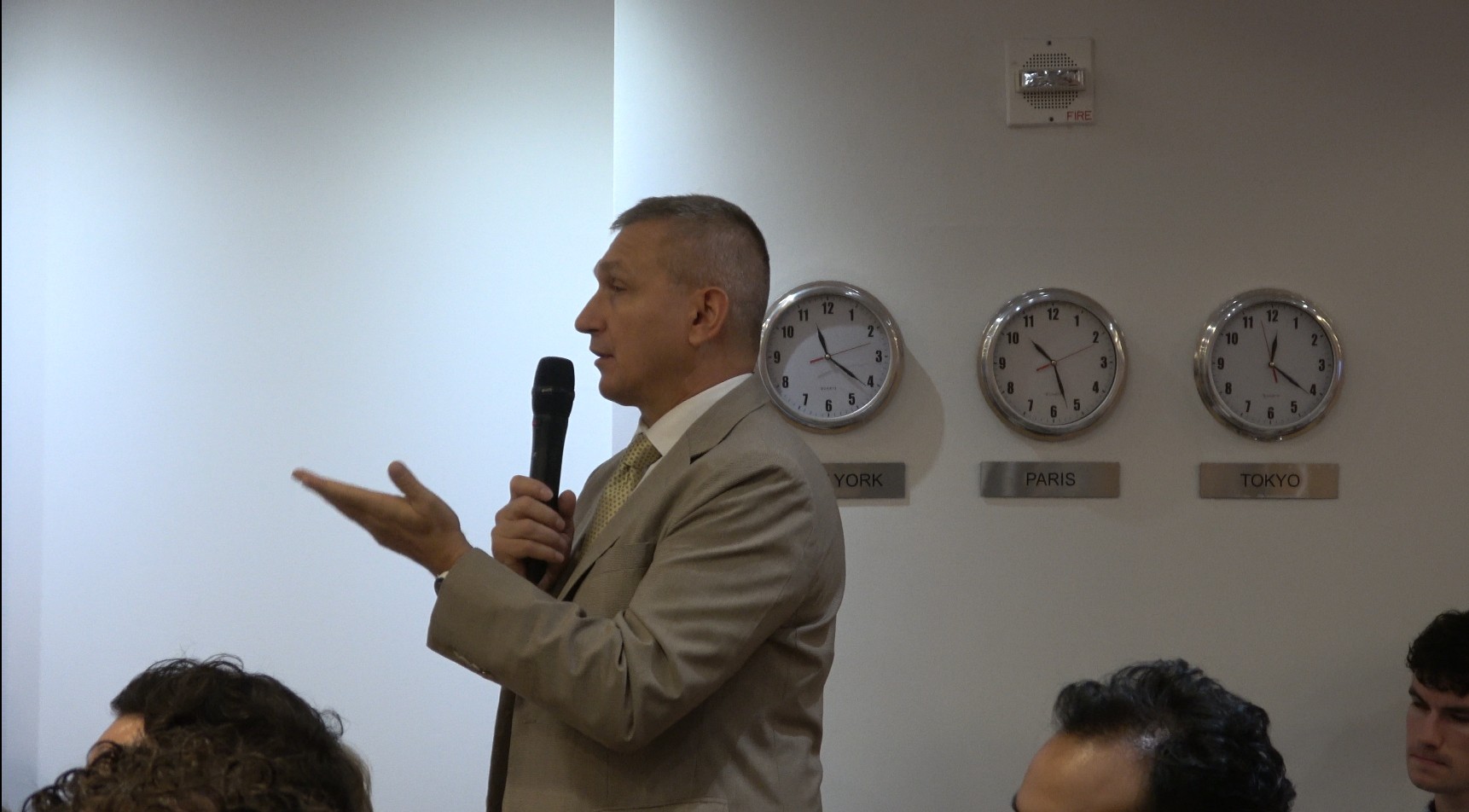
Questions were also raised about how lessons from MINUSMA can be conveyed to the UN Security Council, where peacekeeping mandates are negotiated and renewed. Speakers emphasized the importance of ensuring that council members and mandate drafters receive realistic assessments of political conditions, operational capacity, available resources, and host-state consent.
The forum concluded that UN peacekeeping can protect civilians, support ceasefires, facilitate political dialogue, and create space for humanitarian and peacebuilding activities. However, it cannot substitute for a viable political settlement or independently resolve terrorism, weak governance, regional instability, and deep social divisions.
MINUSMA’s experience demonstrates that future peacekeeping operations will require realistic mandates, adaptable planning, credible political strategies, sustained partnerships, and stronger coordination with host countries and regional actors. Peacekeeping can help preserve opportunities for peace, but lasting peace ultimately depends on political commitment, national ownership, and coordinated international support.