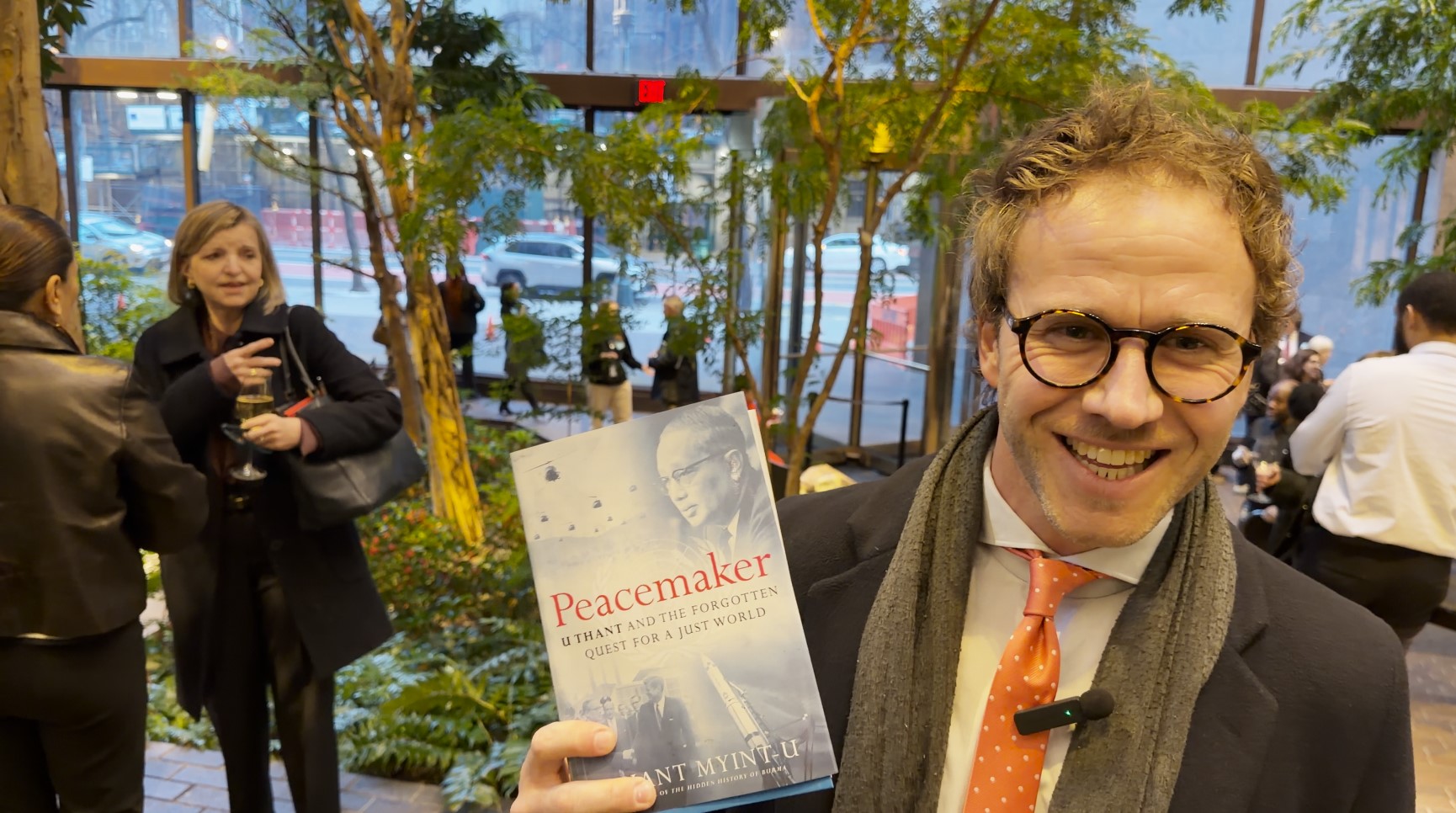
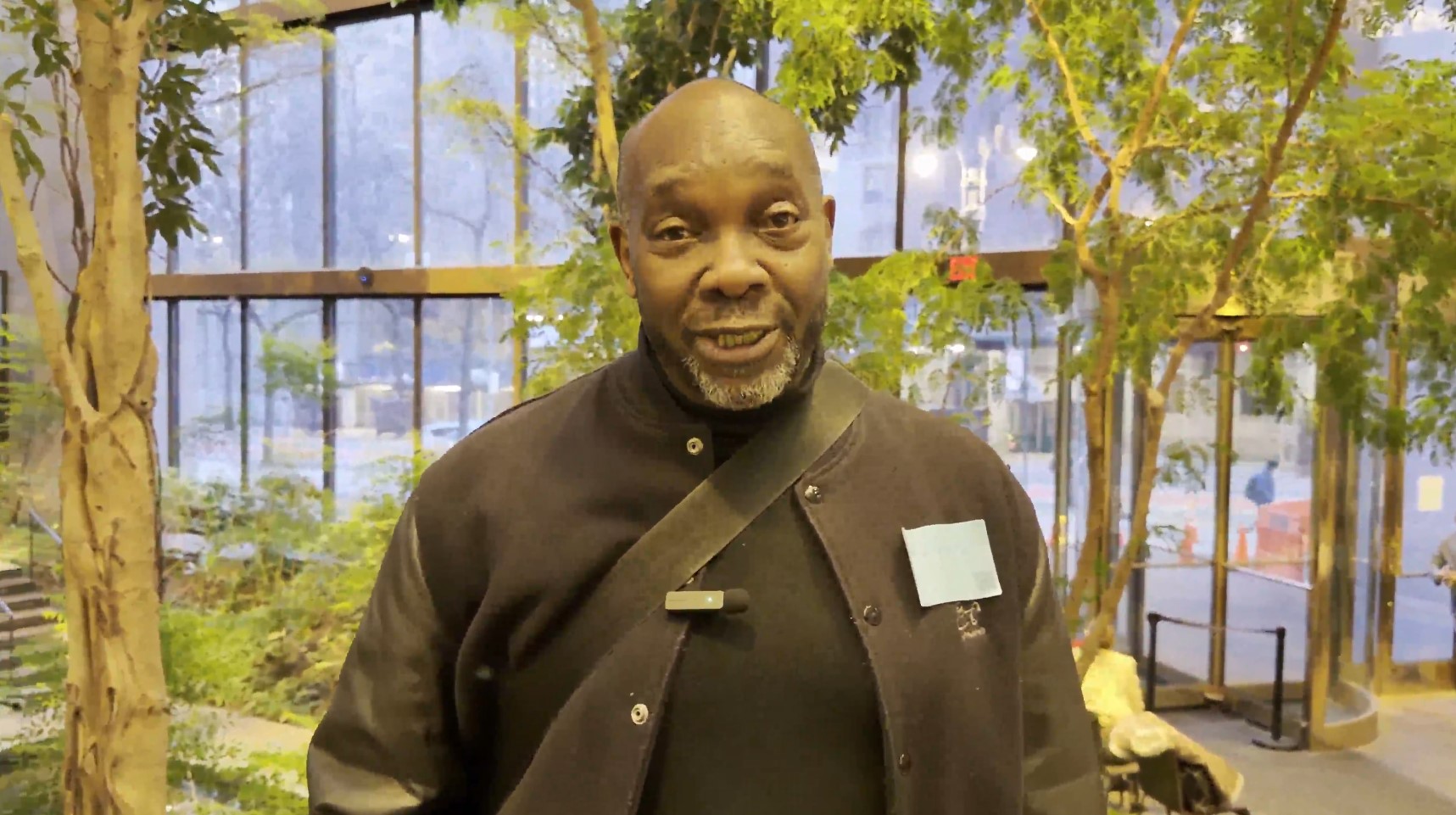
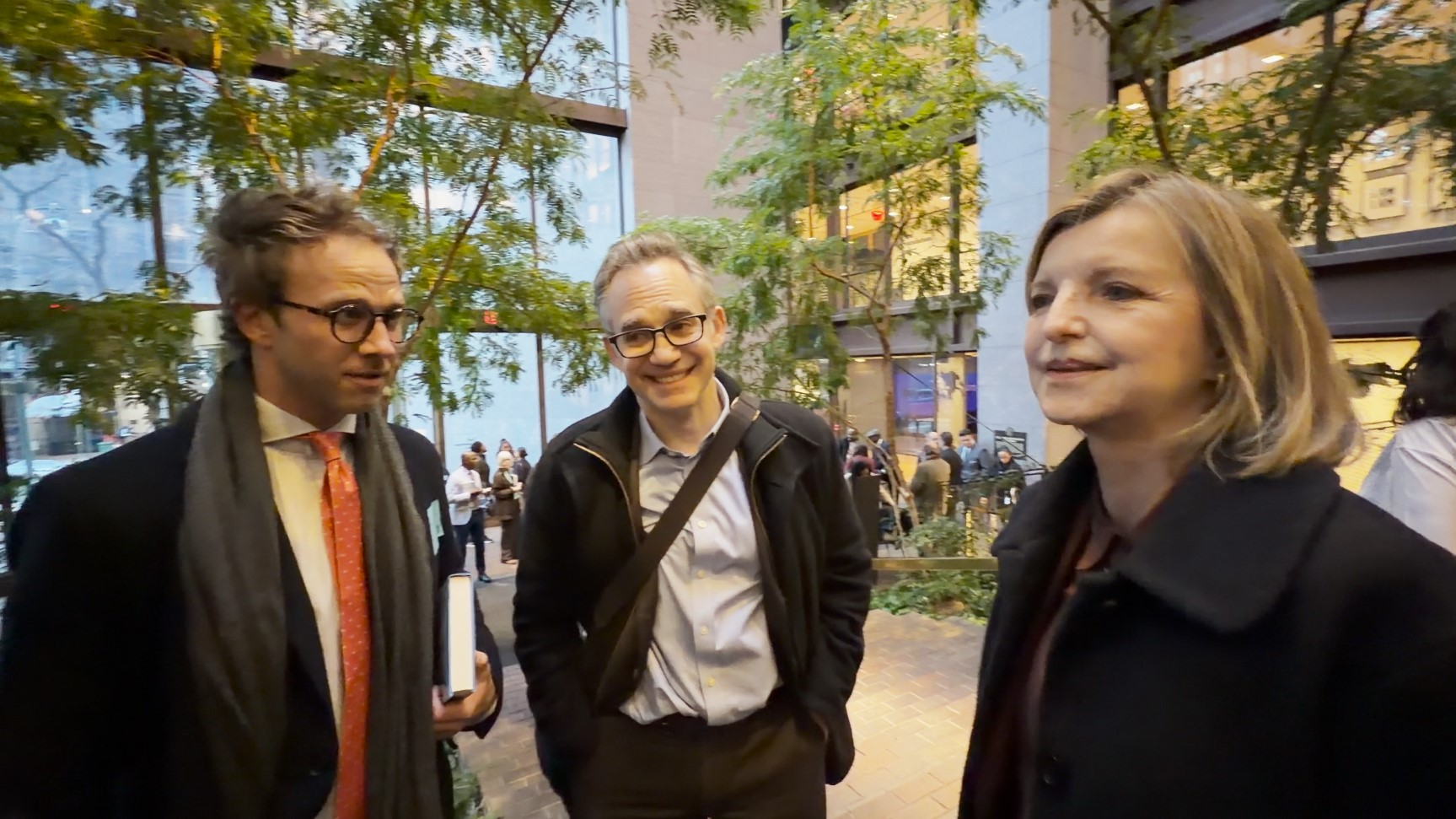
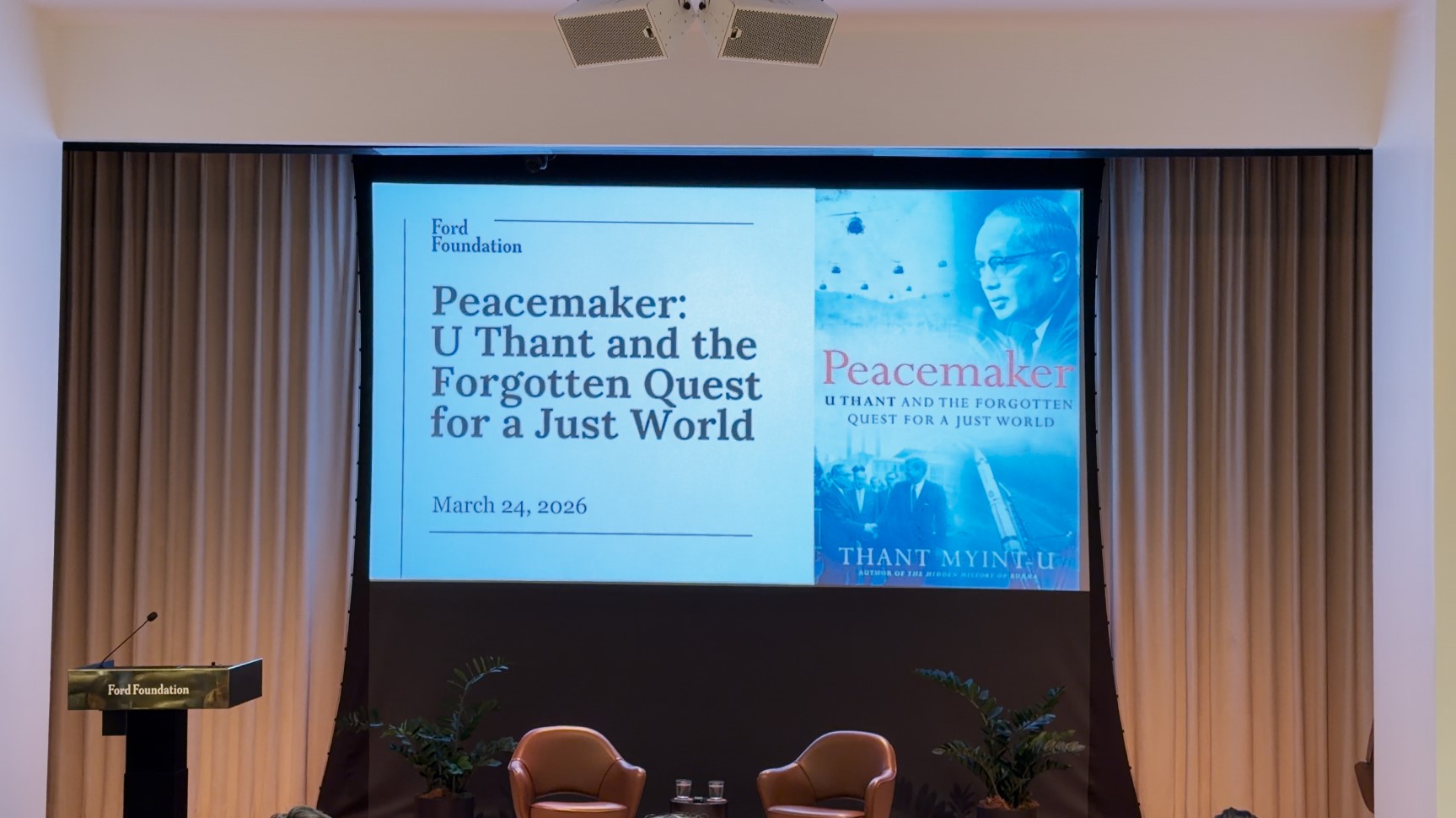
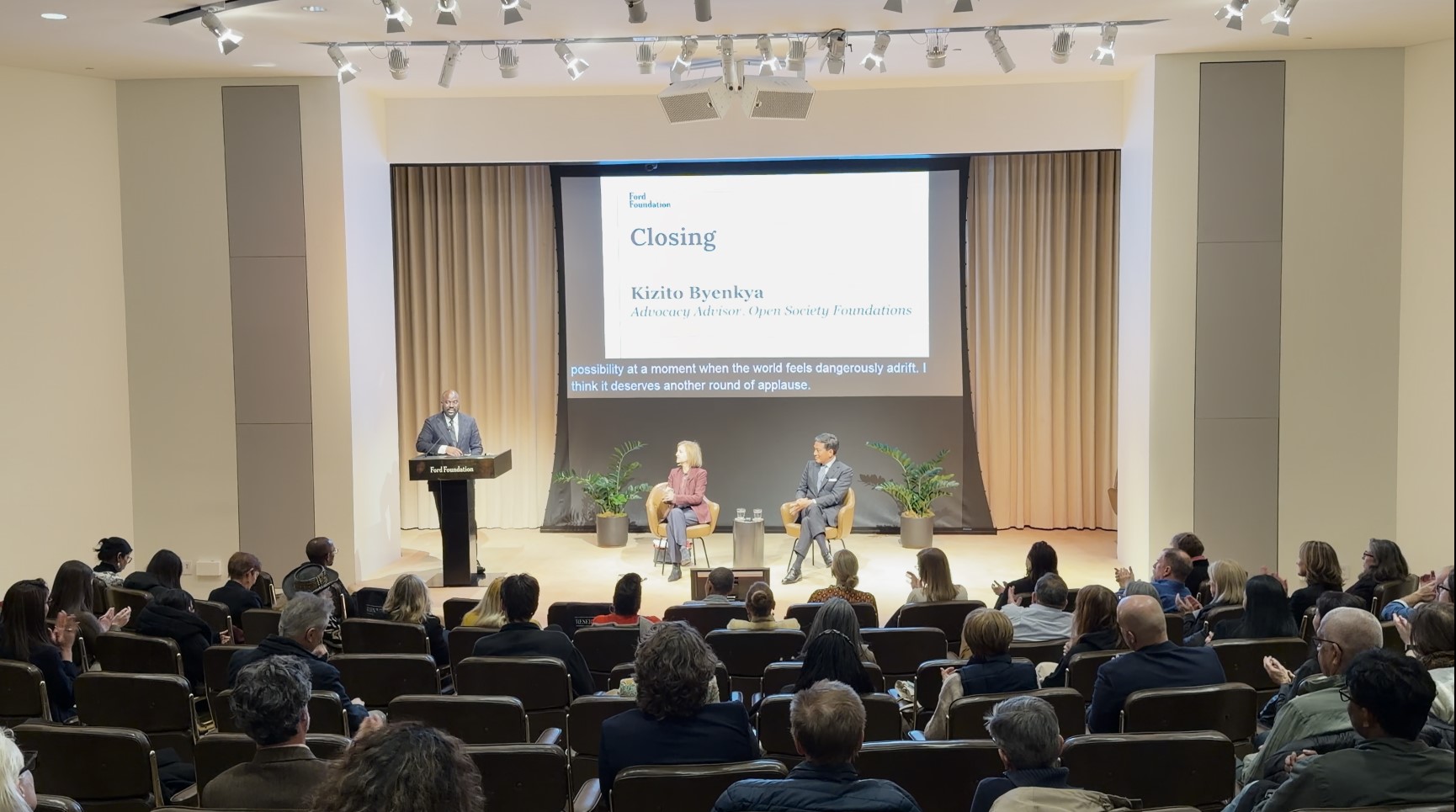
Celebrity Media Alliance Commentary: At the significant milestone of the 90th anniversary of the Ford Foundation, a profound dialogue on global governance, historical memory, and the future of multilateralism has quietly unfolded. This is not merely an exchange of academic ideas, but rather a renewed inquiry into and exploration of a “forgotten just world.”
From a historical perspective, the relationship between the Foundation and the United Nations is far from coincidental. As early as the mid-20th century, it participated in supporting the construction of the UN system and key agenda areas, including international cooperation mechanisms, environmental issues, and early discussions surrounding the International Atomic Energy Agency. This long-term engagement reflects an institutional ideal that transcends national boundaries—advancing peace, development, and human rights through multilateral mechanisms.
me me me me me me me me me me me me
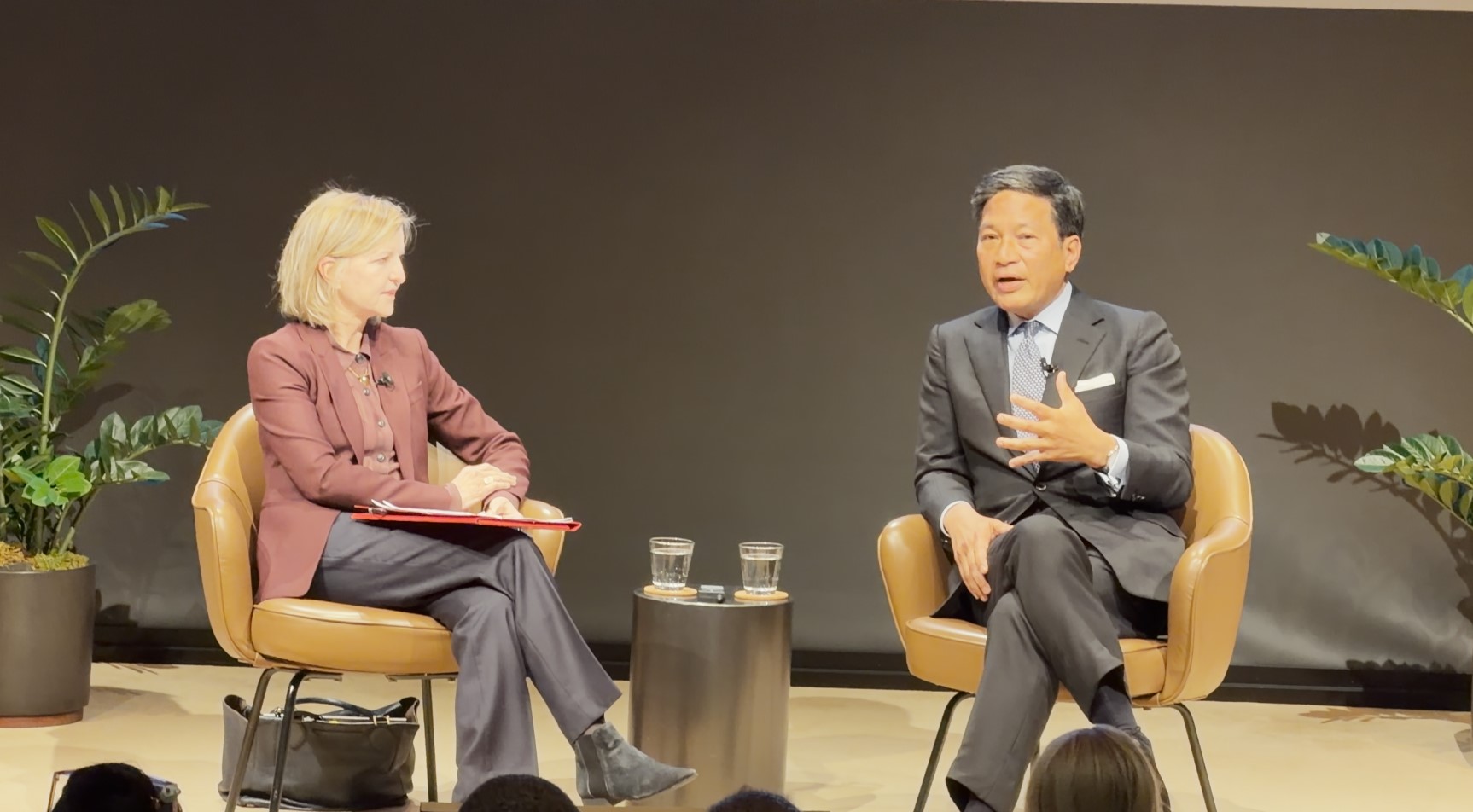
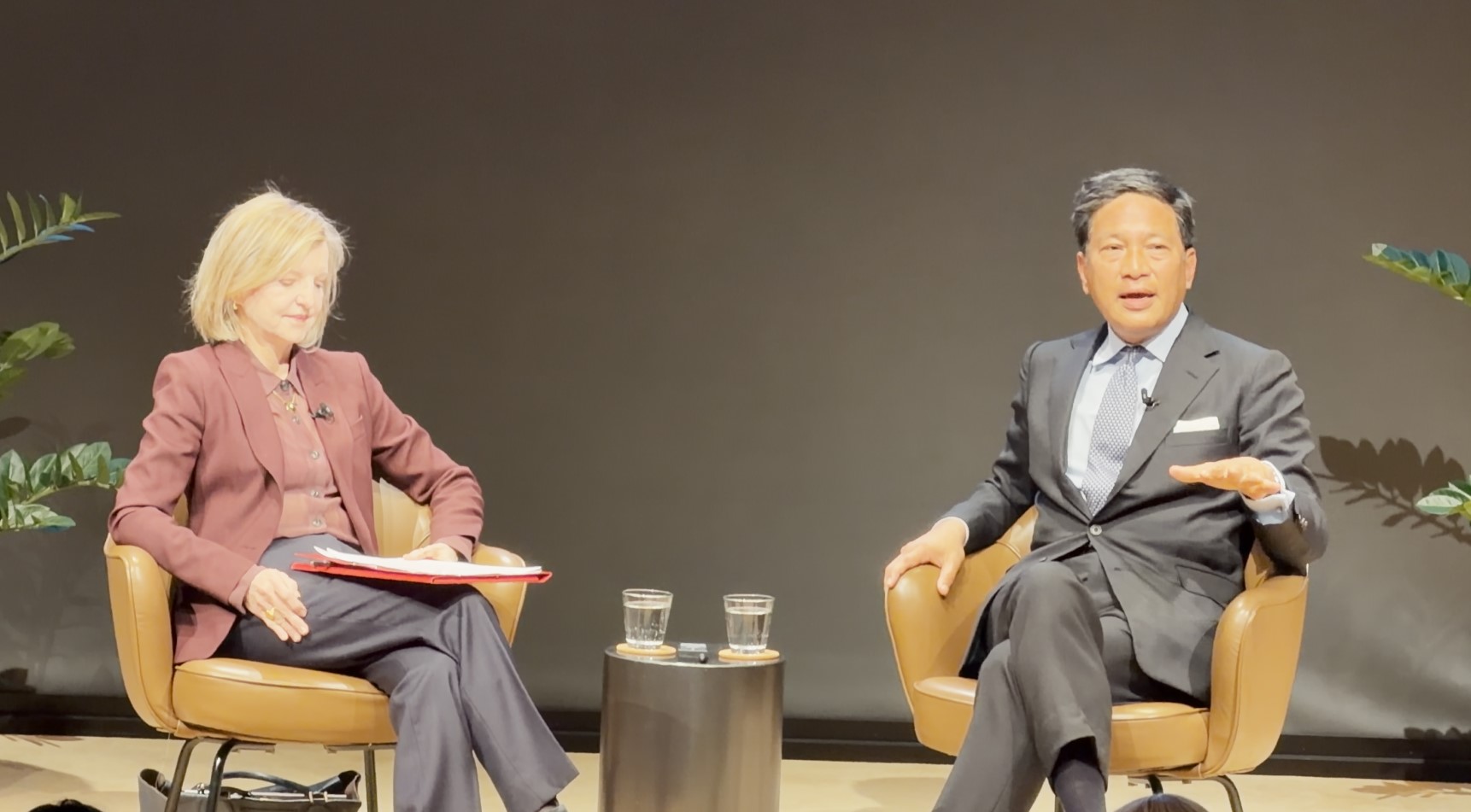
A key phenomenon repeatedly mentioned in the discussion is the “fracture of memory.” On one hand, the dominant narrative structure formed after the Cold War simplifies the complex history of the United Nations and multilateralism into notions of “inefficiency” or “failure.” On the other hand, agendas once driven by Global South countries—such as decolonization, economic sovereignty, and institutional reform—have been systematically marginalized or even diluted. This selective historical memory leaves contemporary international society without a cognitive foundation of “successful mediation experiences” when facing conflicts.
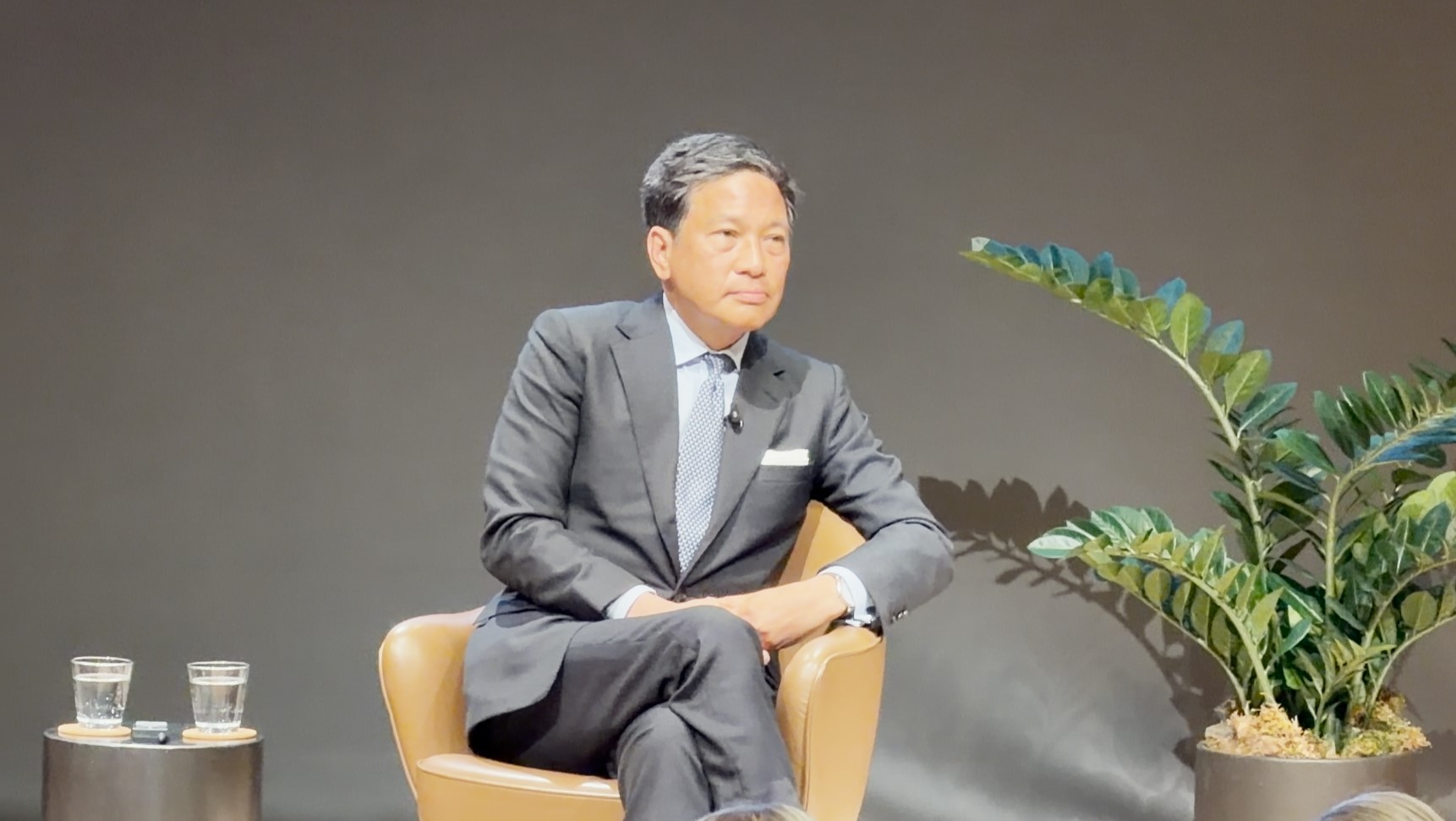
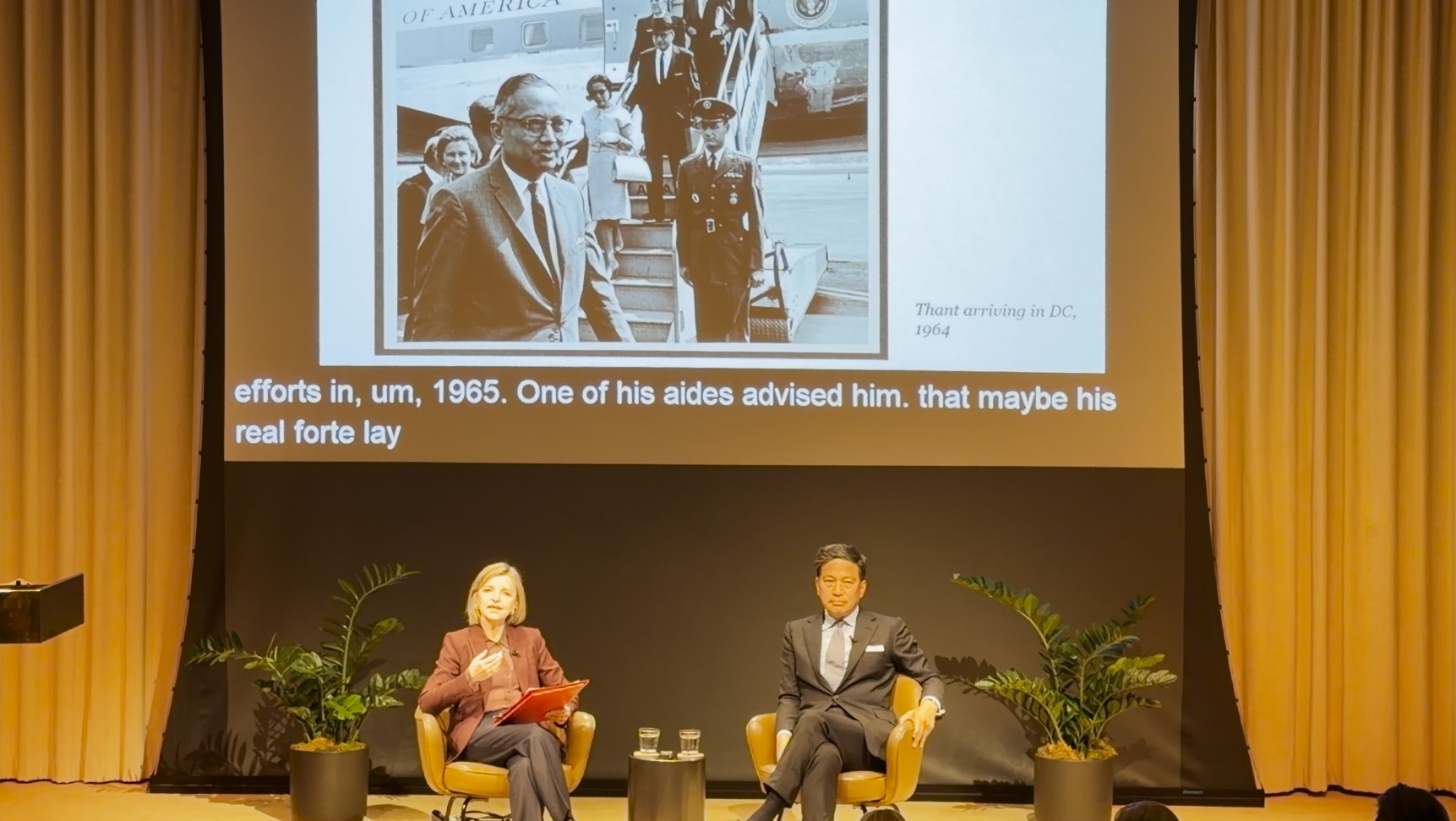
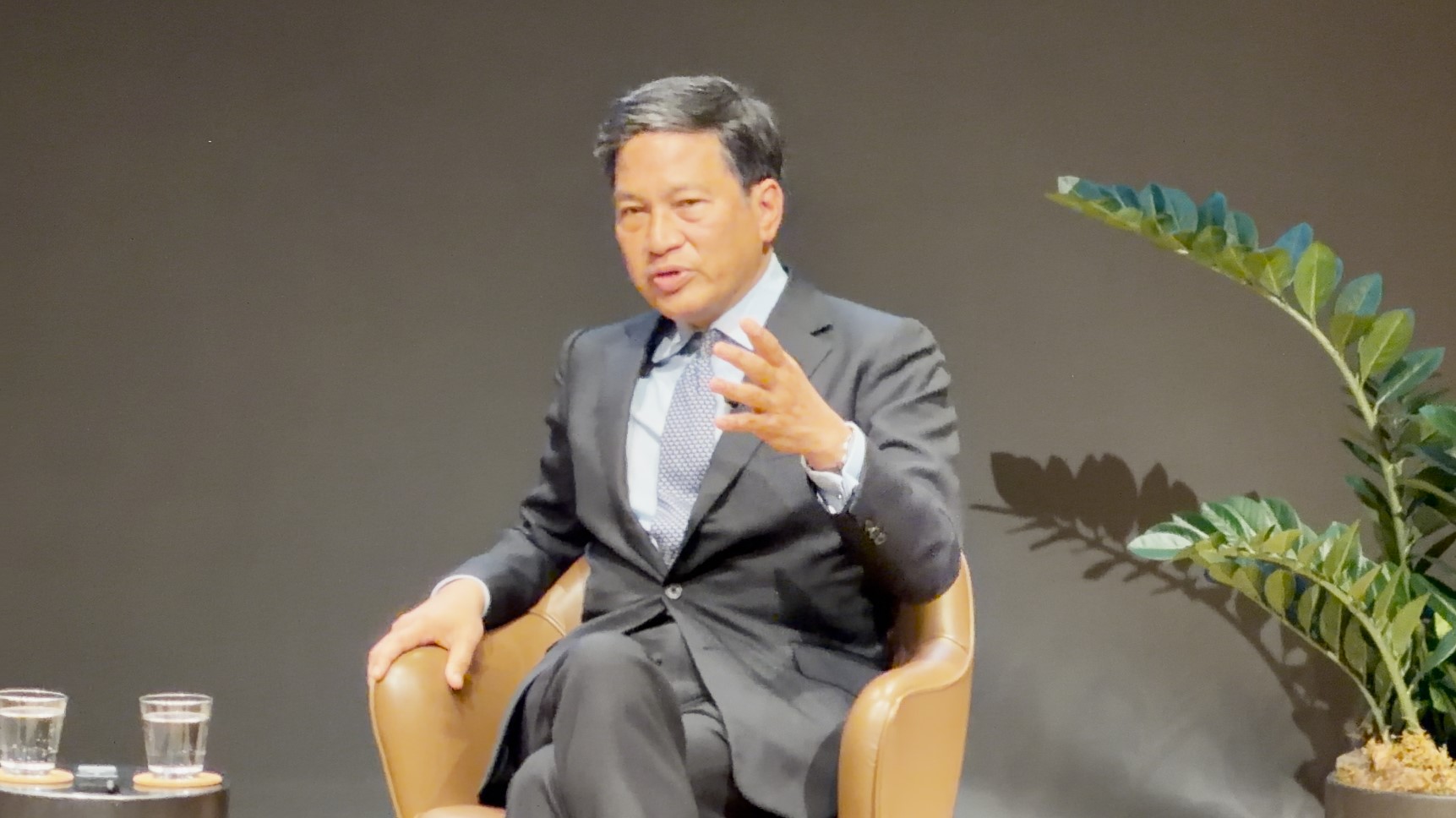
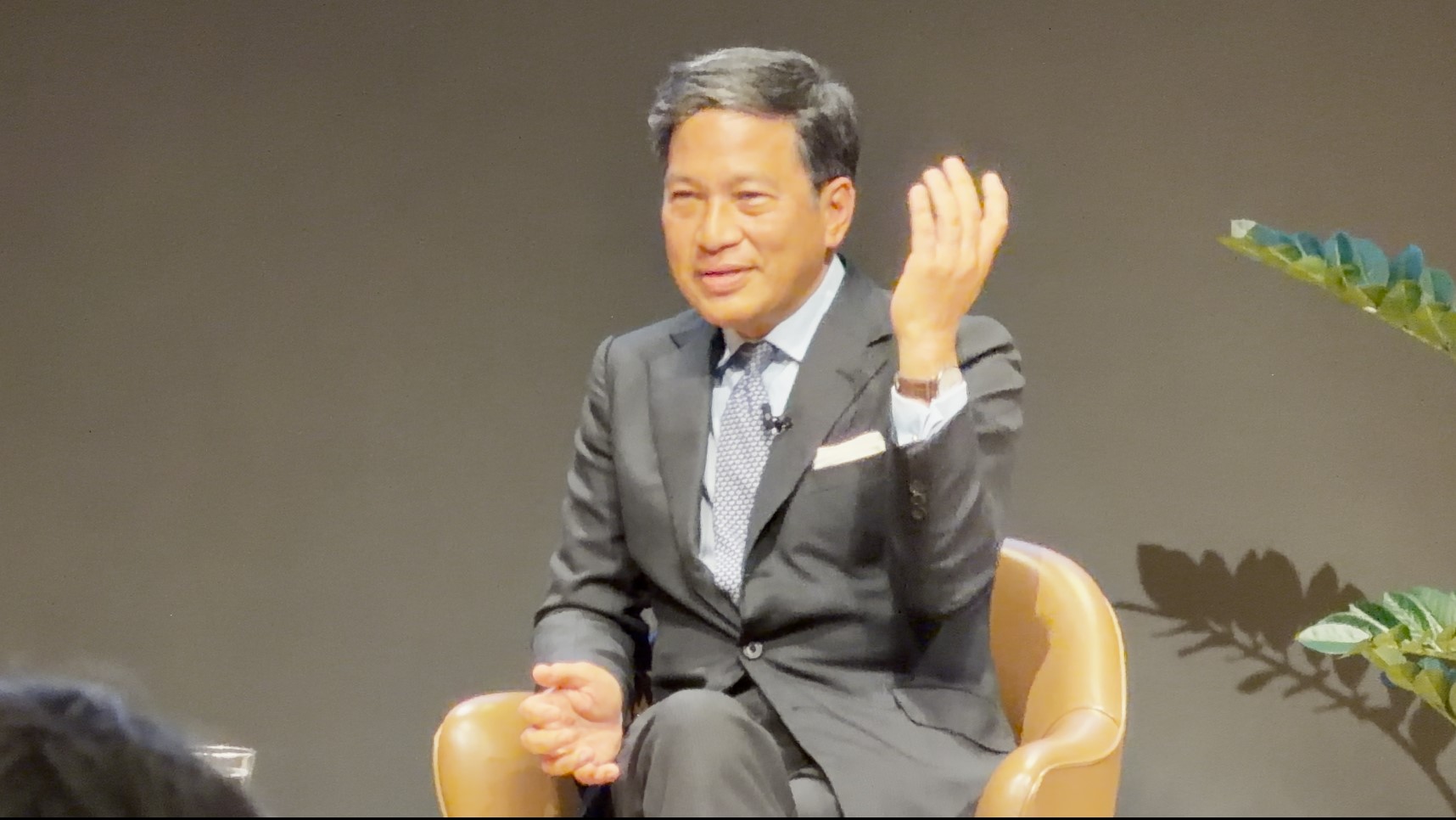
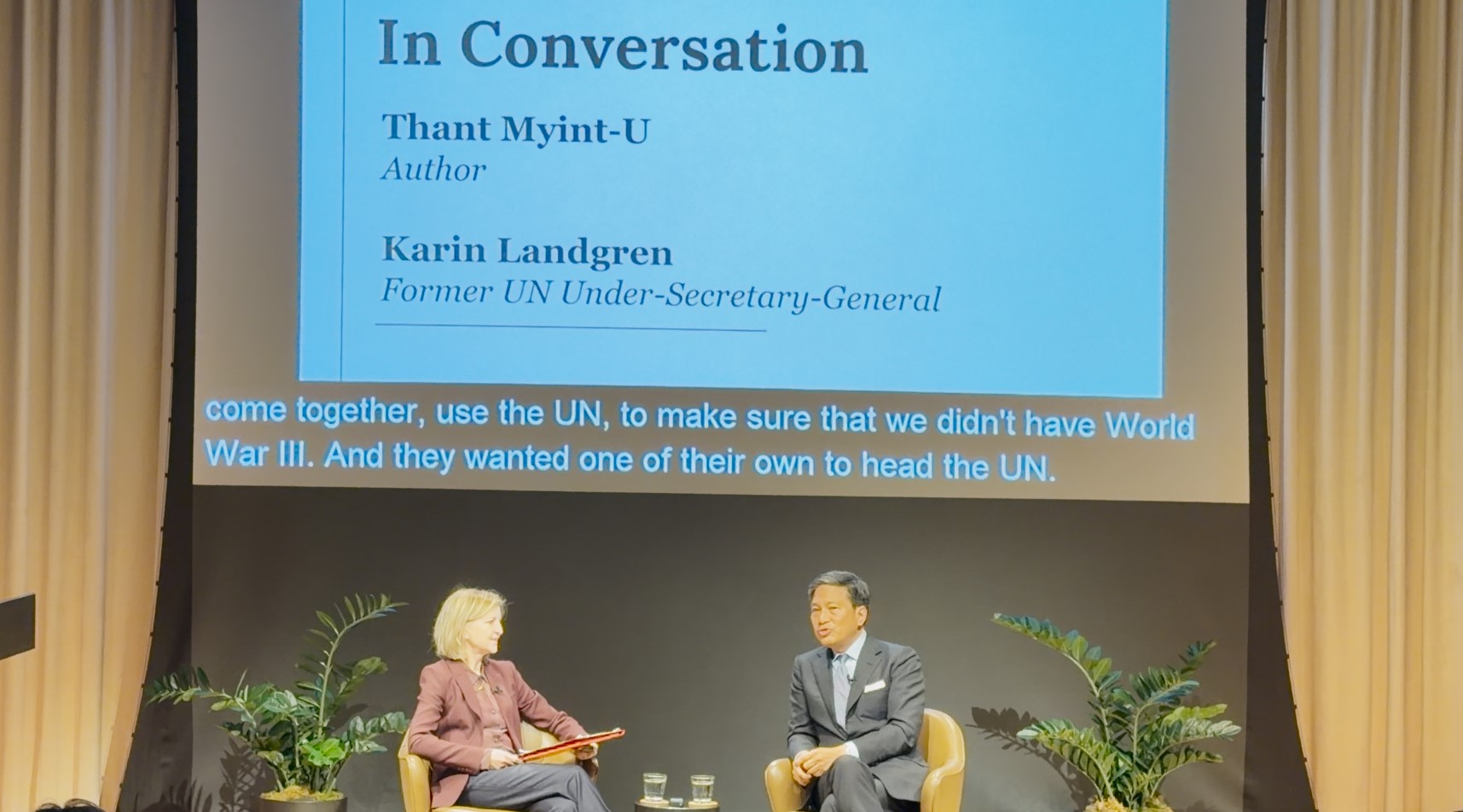
One of the key intellectual pillars of this dialogue comes from the research and writings of author Thant Myint-U. Using the diplomatic practice of his grandfather—U Thant, the third Secretary-General of the United Nations—as a point of entry, he reconstructs the overlooked history of mediation during the Cold War. He points out that the UN was not always “powerless”; on the contrary, in several critical crises, it effectively provided “de-escalation channels” for major power conflicts through informal diplomacy and moral authority. This form of historical writing itself serves as a correction to mainstream international relations narratives.
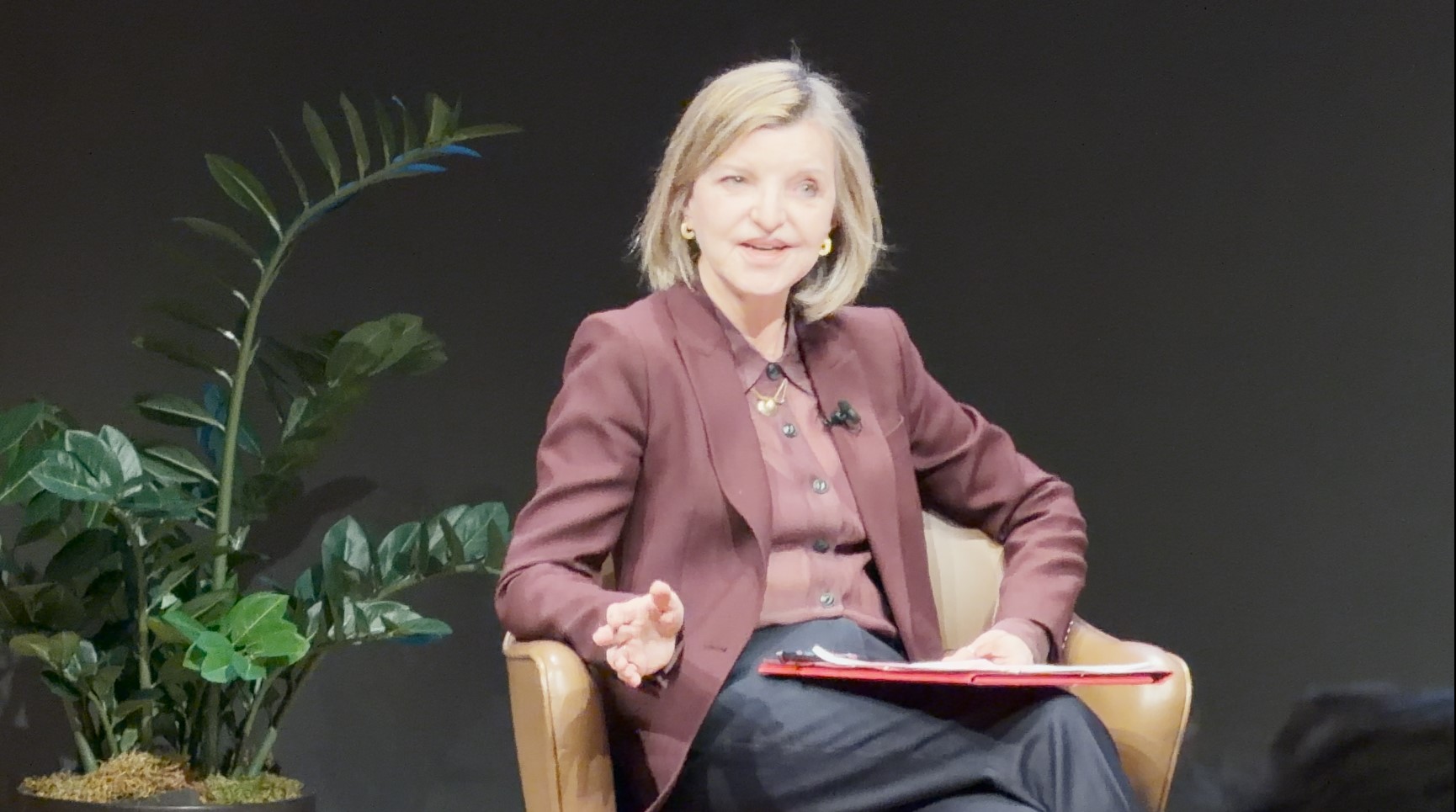
Echoing this is the practical perspective of former UN Assistant Secretary-General Karin Landgren. Having long been involved in the UN’s peacekeeping and political affairs systems, she emphasized in the discussion that the effectiveness of multilateral mechanisms is never merely a matter of institutional design, but highly dependent on political judgment and operational space. Her remarks not only supplement history at the institutional level but also reveal the real dilemmas the UN faces within today’s complex power structures.
However, the core of this discussion goes beyond individuals and history, raising a more challenging question: why have these “just world pathways,” which once truly existed and even played critical roles, gradually disappeared from contemporary narratives?
Taking the Cold War period as an example, UN Secretaries-General utilized informal diplomacy and moral authority to function as a “de-escalation mechanism” in key moments such as the Cuban Missile Crisis and the Indo-Pakistani conflicts. This mechanism was not a product of institutional design but relied more on the political courage of leaders, cross-cultural understanding, and keen judgment of historical moments. As emphasized in the discussion, what ultimately determines the effectiveness of multilateral systems is often not the structure itself, but the choices and capacities of individuals.
In this context, the “forgotten just world” is not an idealized utopia, but a once-existing yet obscured practical pathway. It includes several core characteristics:
First, the reconstruction of international order from a de-imperial perspective;
Second, a balance between state sovereignty and global responsibility;
Third, enabling those closest to conflict and suffering to participate in institutional rebuilding;
Fourth, constructing a “ladder of conflict de-escalation” through multilateral mechanisms rather than relying on singular power confrontation.
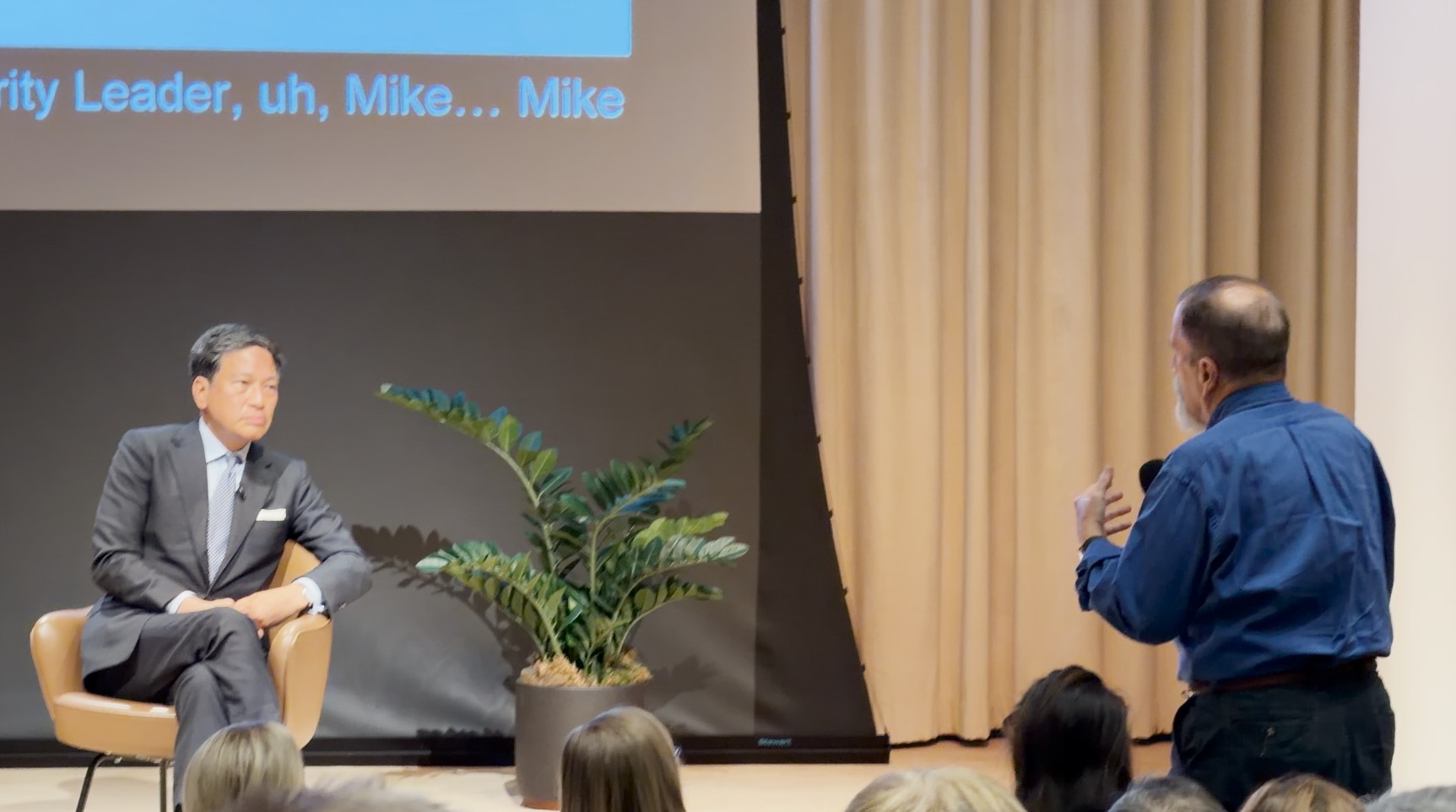
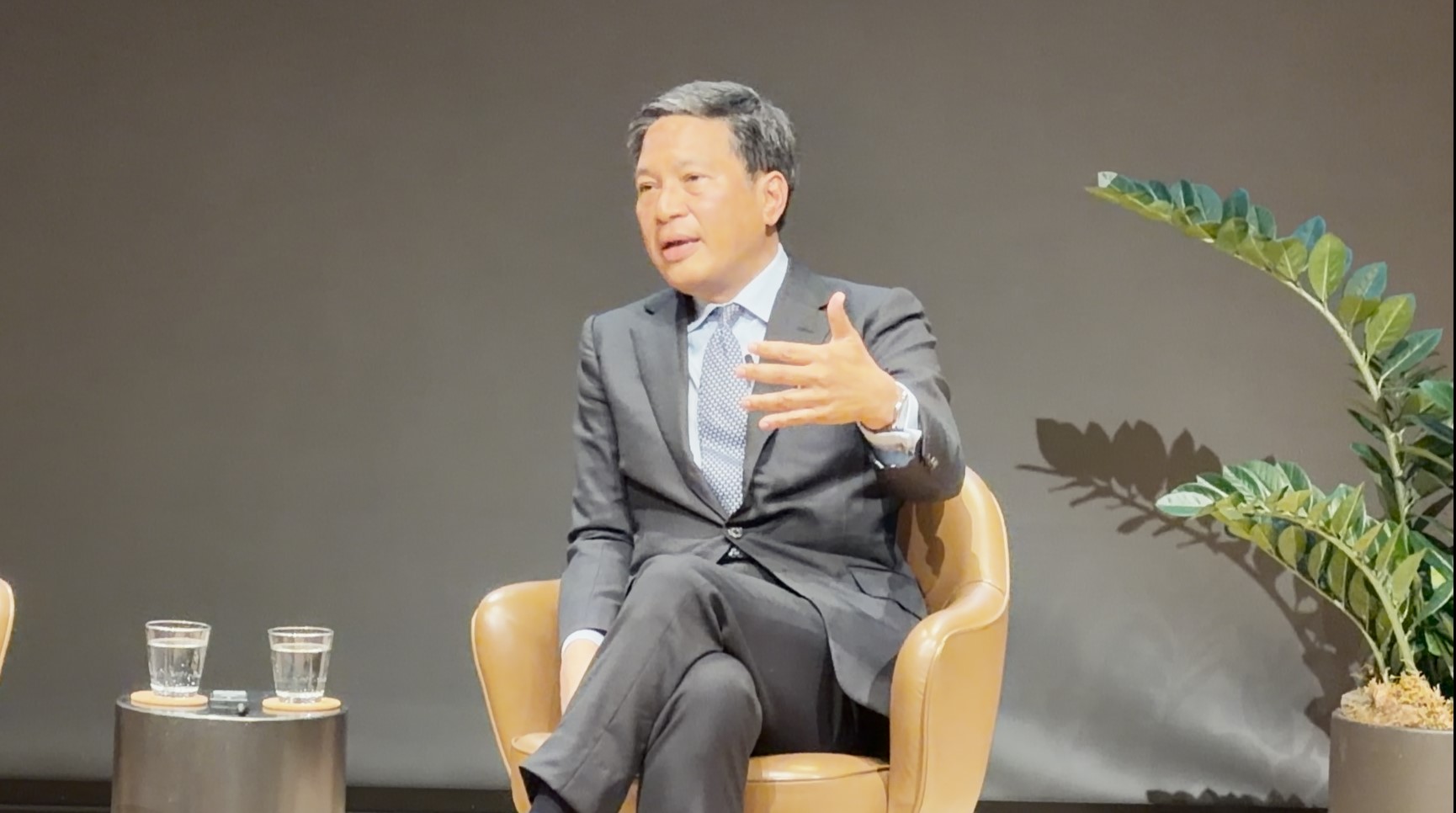
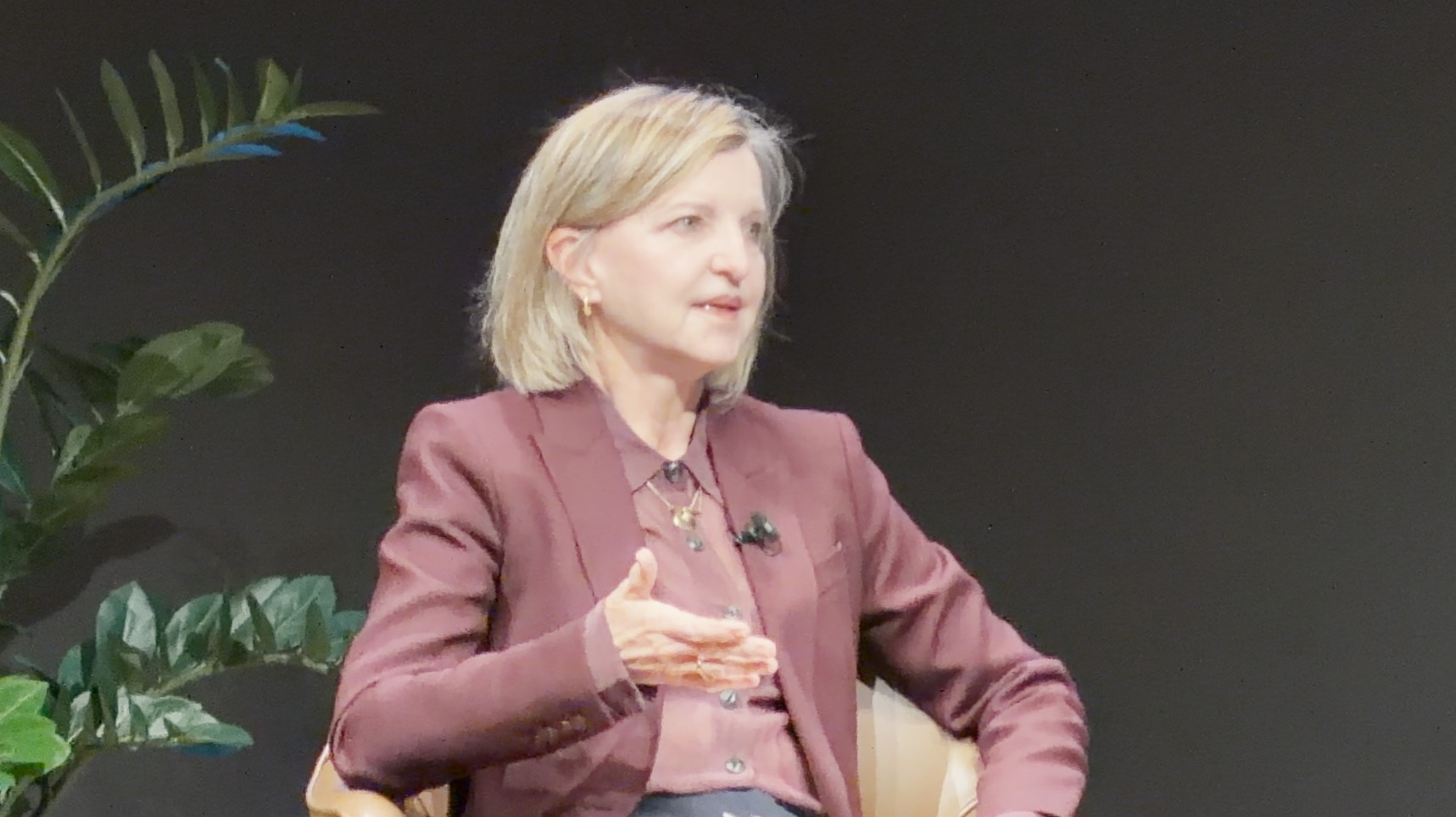
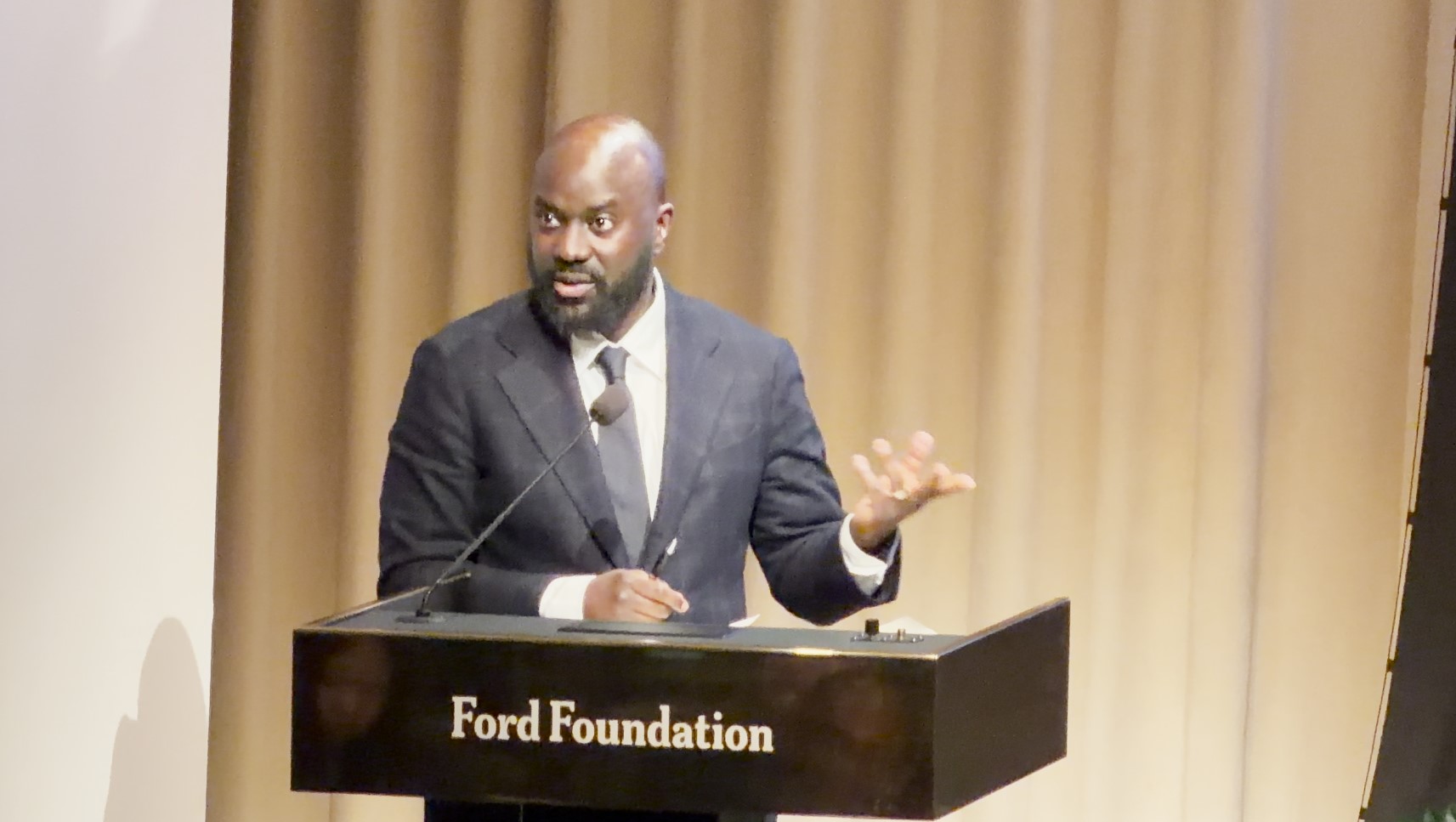
It is noteworthy that responses from institutions such as the Open Society Foundations further point out that contemporary multilateralism is undergoing a process of “regeneration”—it no longer exists solely within conference halls in New York or Geneva, but is gradually shifting toward a multi-layered structure involving regional organizations, middle-power networks, and civil society. This transformation, to some extent, represents a return to and revision of historical experience.
Therefore, U Thant’s “journey of exploration” can be understood as a dual action: both a rediscovery of overlooked roles and mechanisms in history, and a reimagining of future pathways for global governance. Against the backdrop of fractures in the current international order and frequent conflicts, this exploration carries clear contemporary urgency.
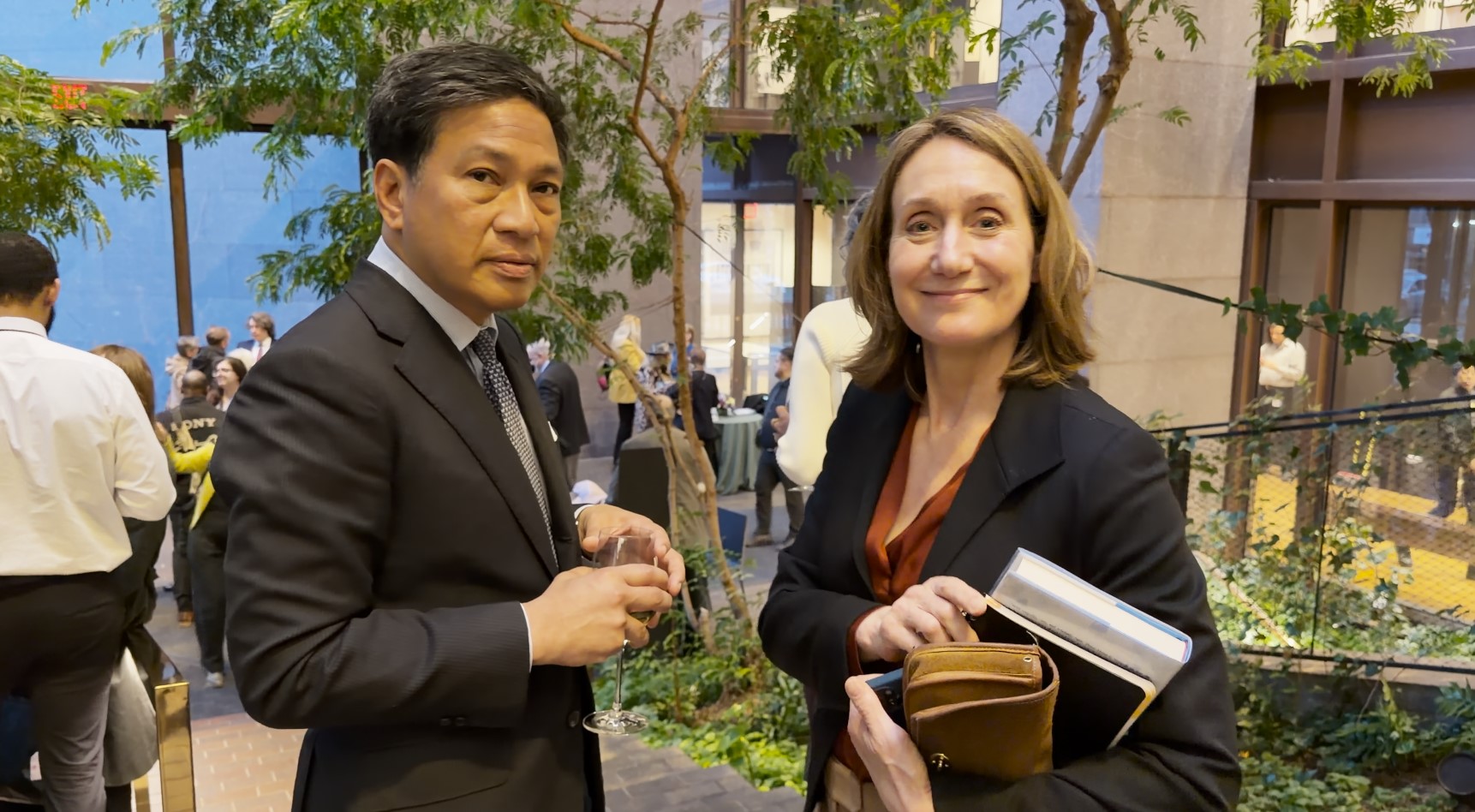
The conclusion of the commentary is not optimistic, yet neither is it pessimistic. History does not provide ready-made answers, but it does offer forgotten possibilities. The real question is whether, as the world once again stands at a structural turning point, there remain those willing to take risks, rebuild trust, and seek space for “mutual step-back” amid complex confrontations.
In this sense, the dialogue held at the Ford Foundation is not merely a commemoration of the past, but rather a tentative restart toward the future.