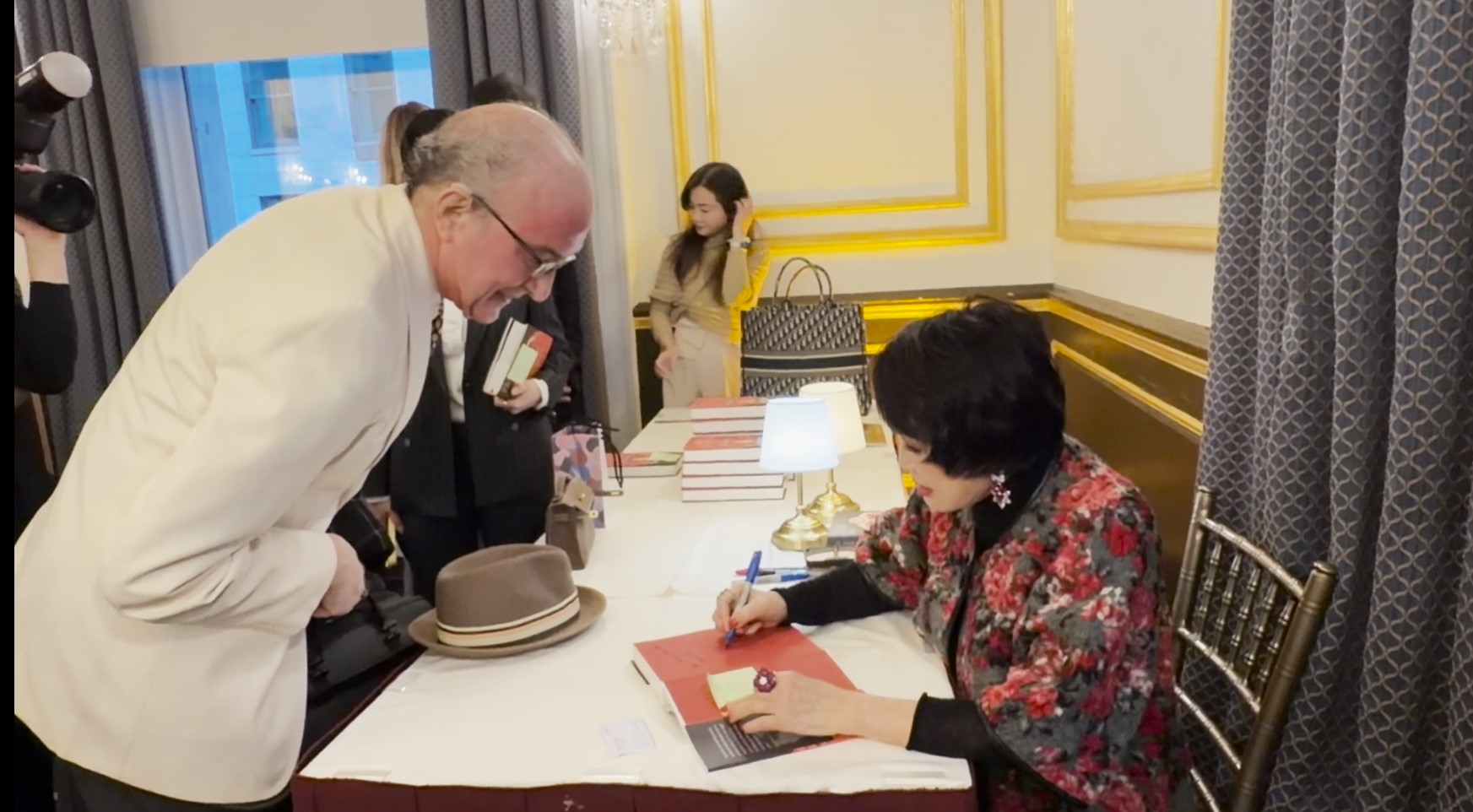
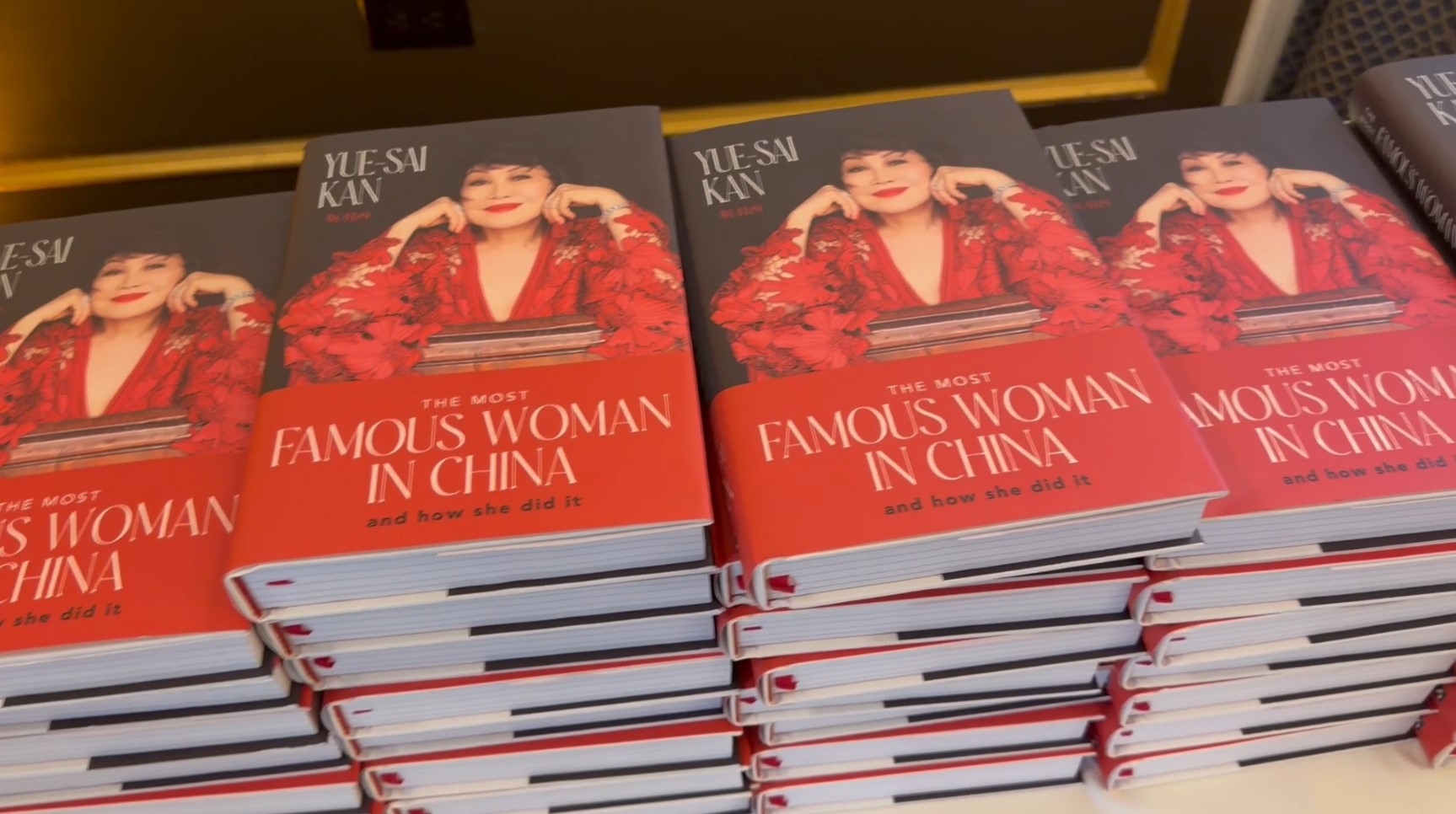
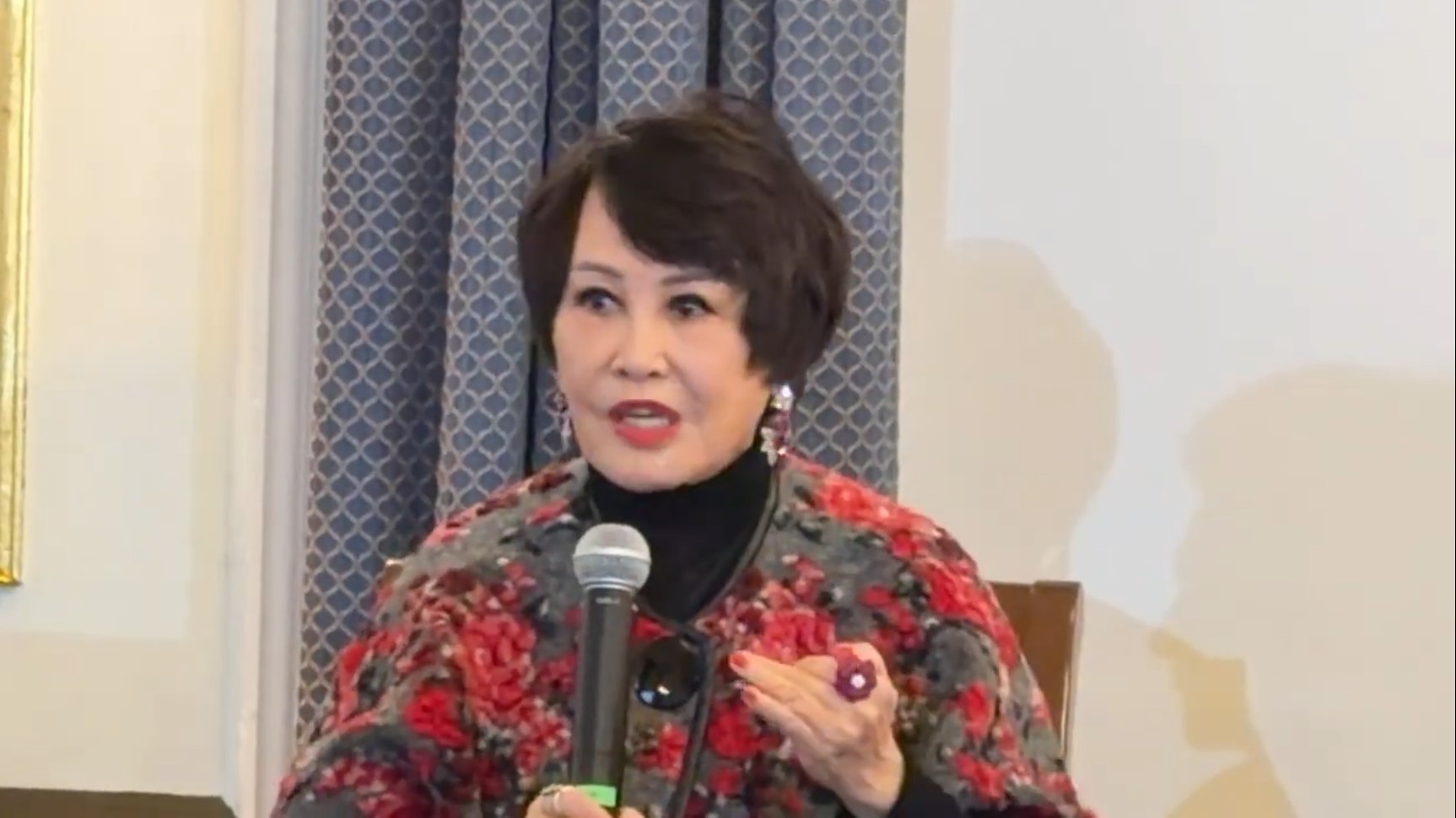
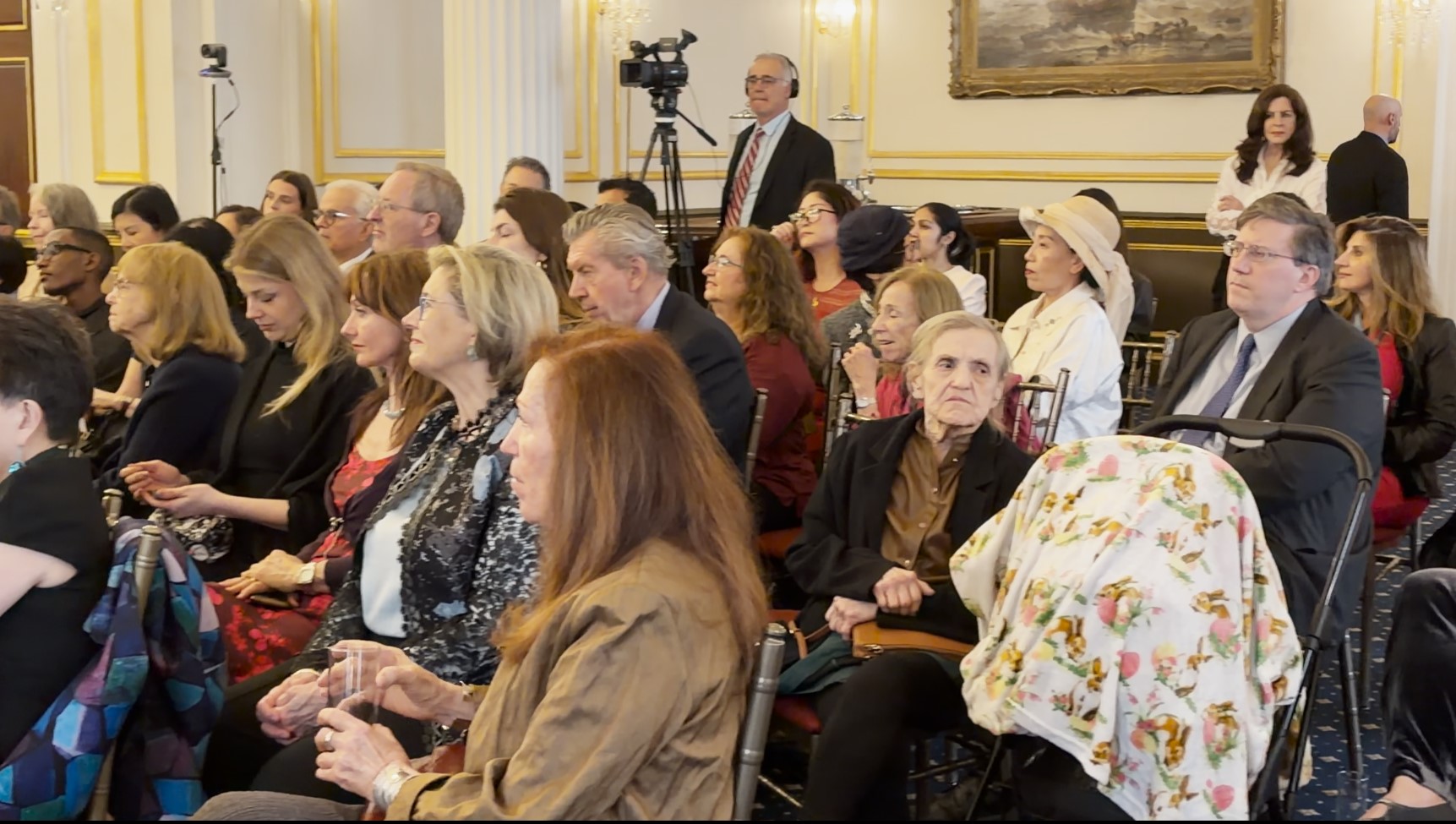
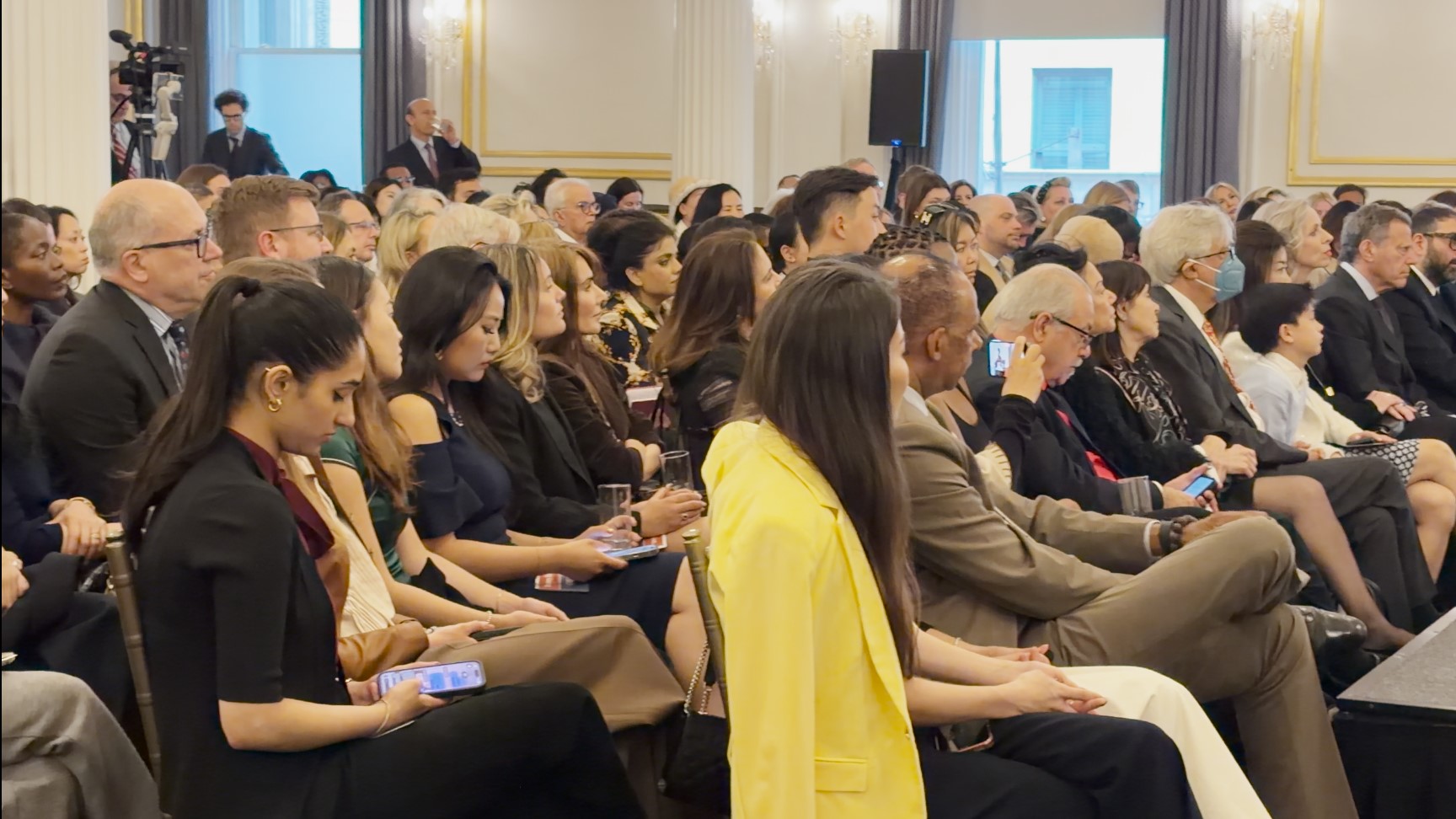
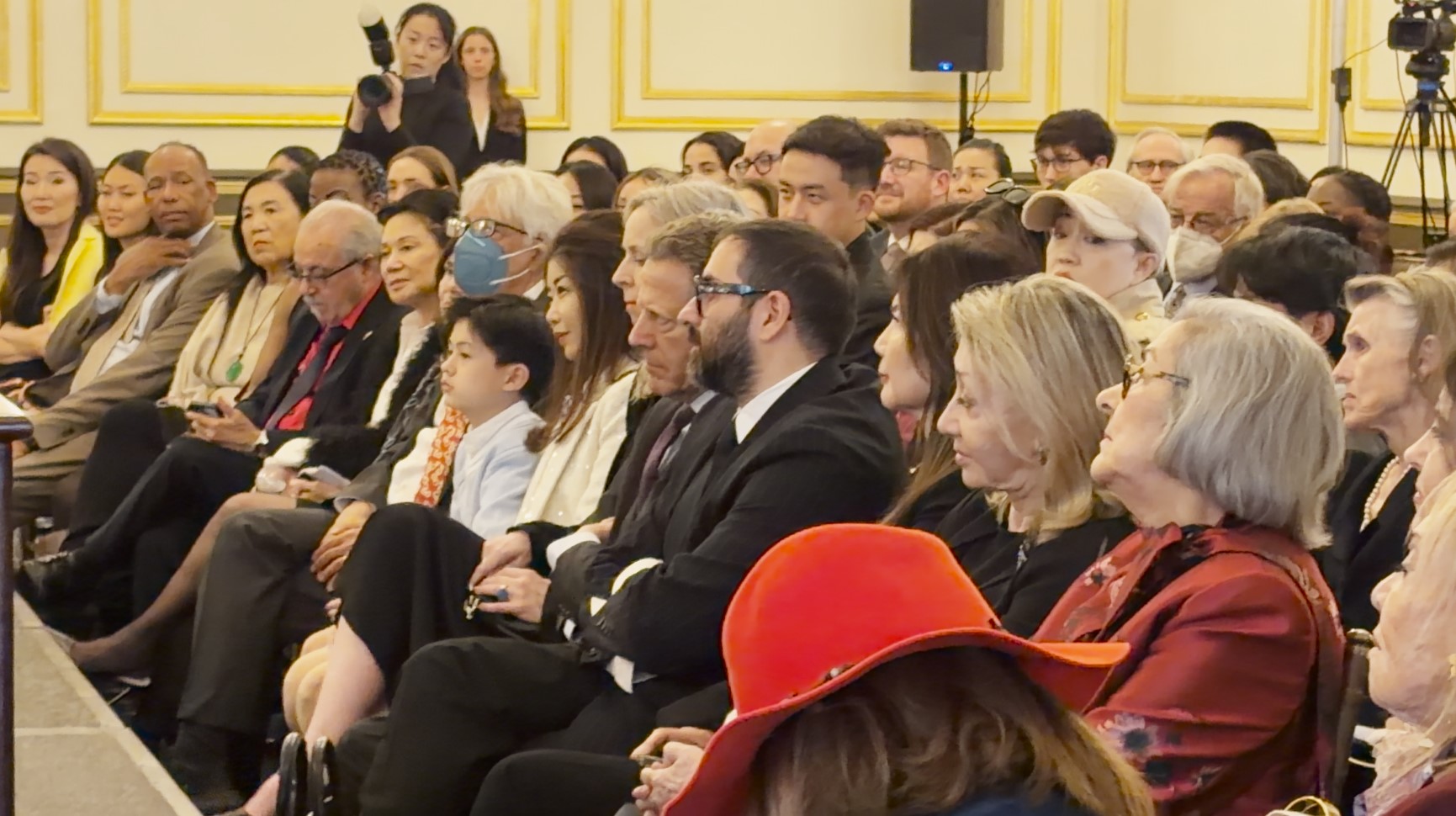
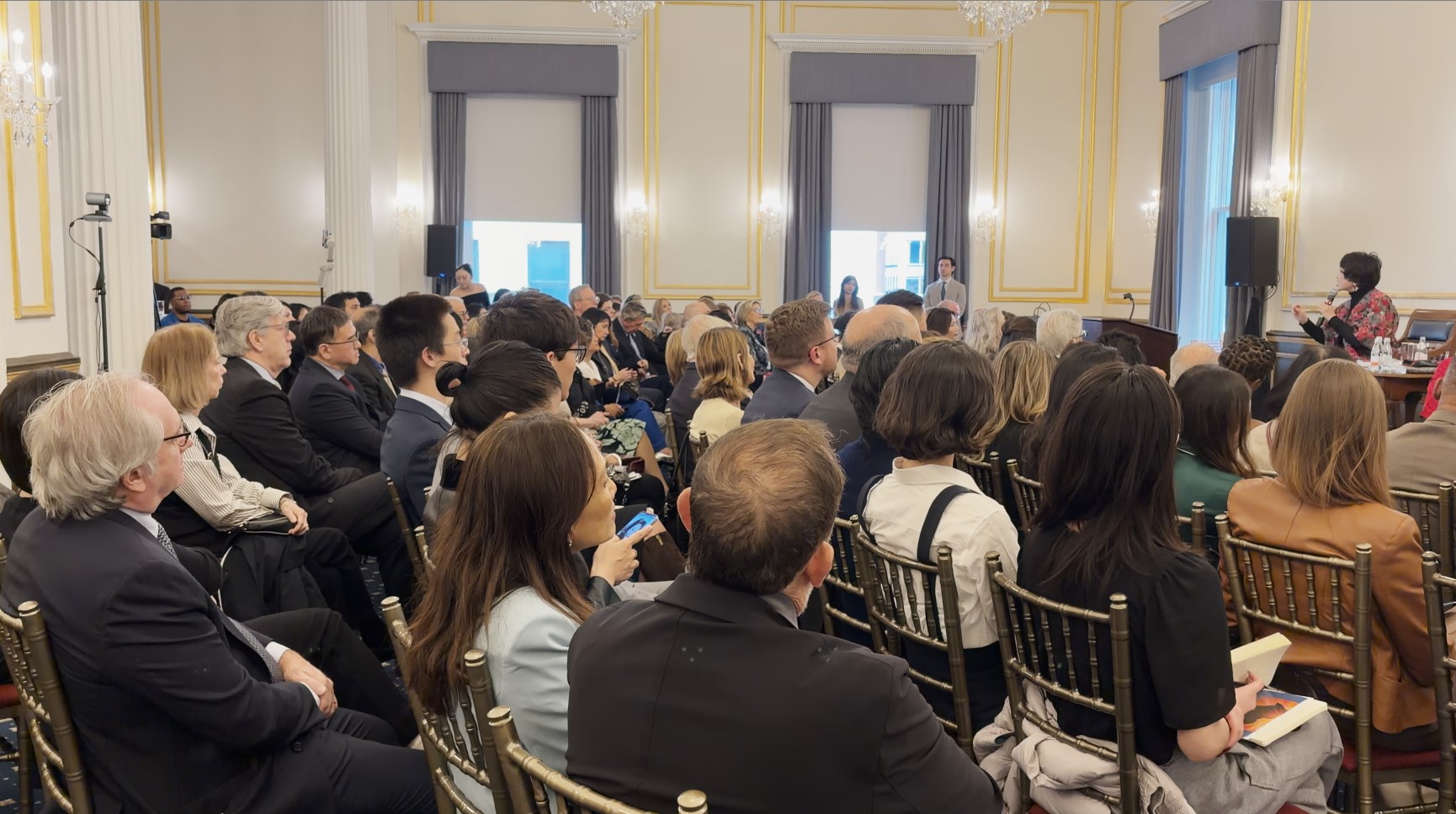
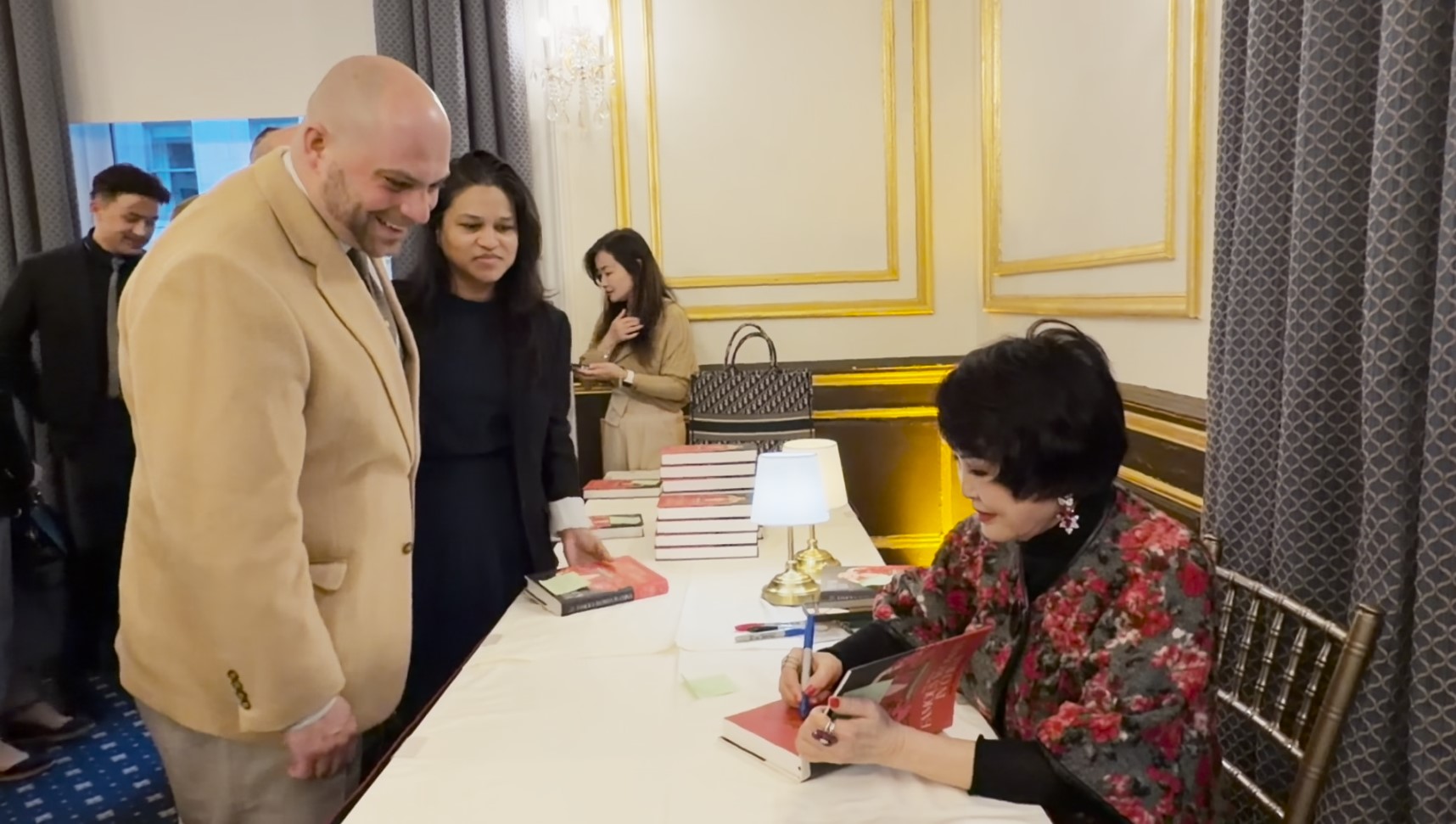
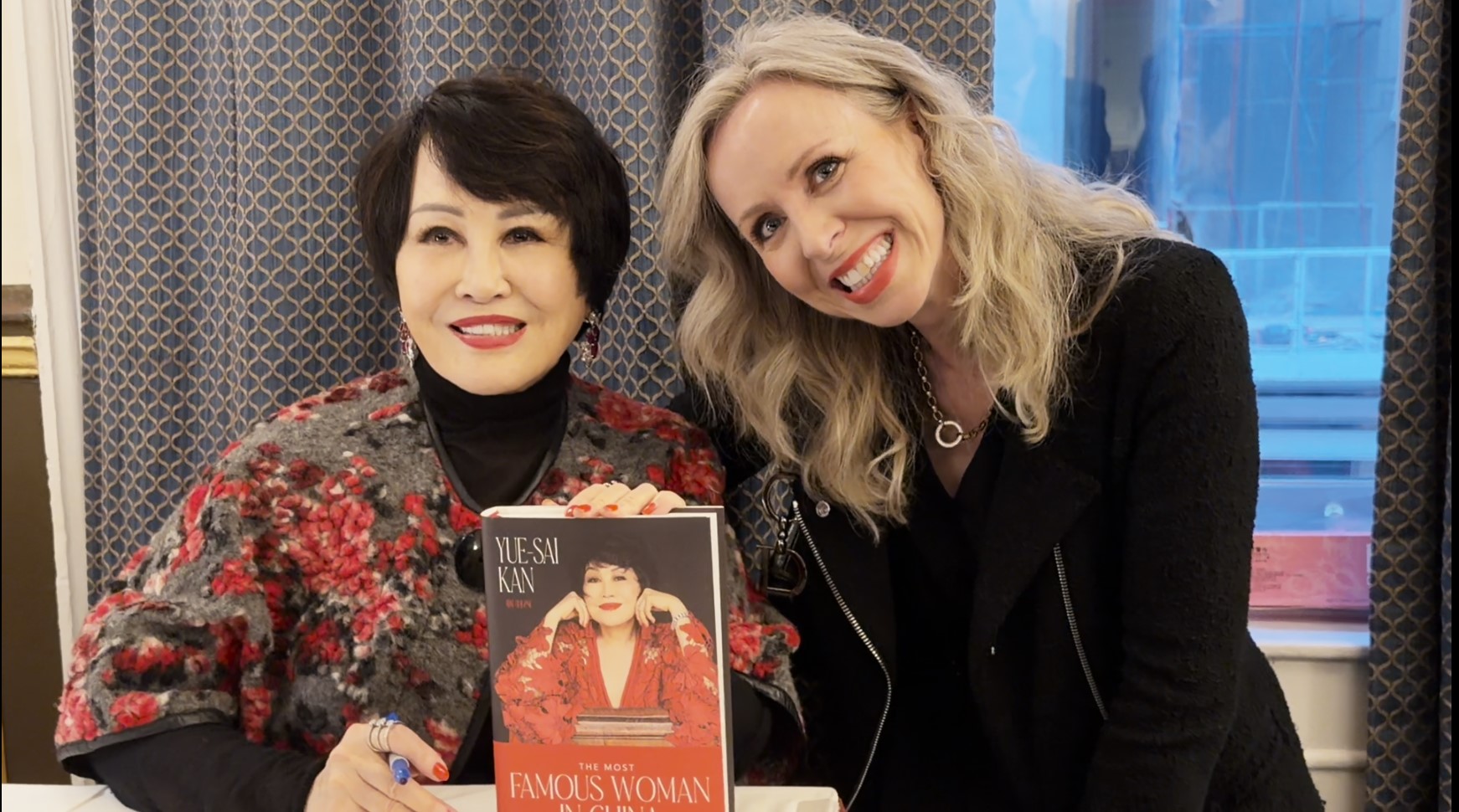
Celebrity Media Alliance Commentary: On the evening of April 23, under a bright spring sky at the Metropolitan Club in New York, the distinguished “Women’s Empowerment” lecture hosted by the American Foreign Policy Association brought together international guests and cultural figures from various fields. At this high-level exchange event, :contentReference[oaicite:0]{index=0} (靳羽西), a long-renowned Chinese-American media personality, entrepreneur, and cultural bridge-builder, once again became the center of attention. Rather than recounting her story from the posture of a “successful figure,” she calmly deconstructed the essence of “fame”—“Becoming famous is not difficult; what matters is how one became famous.”
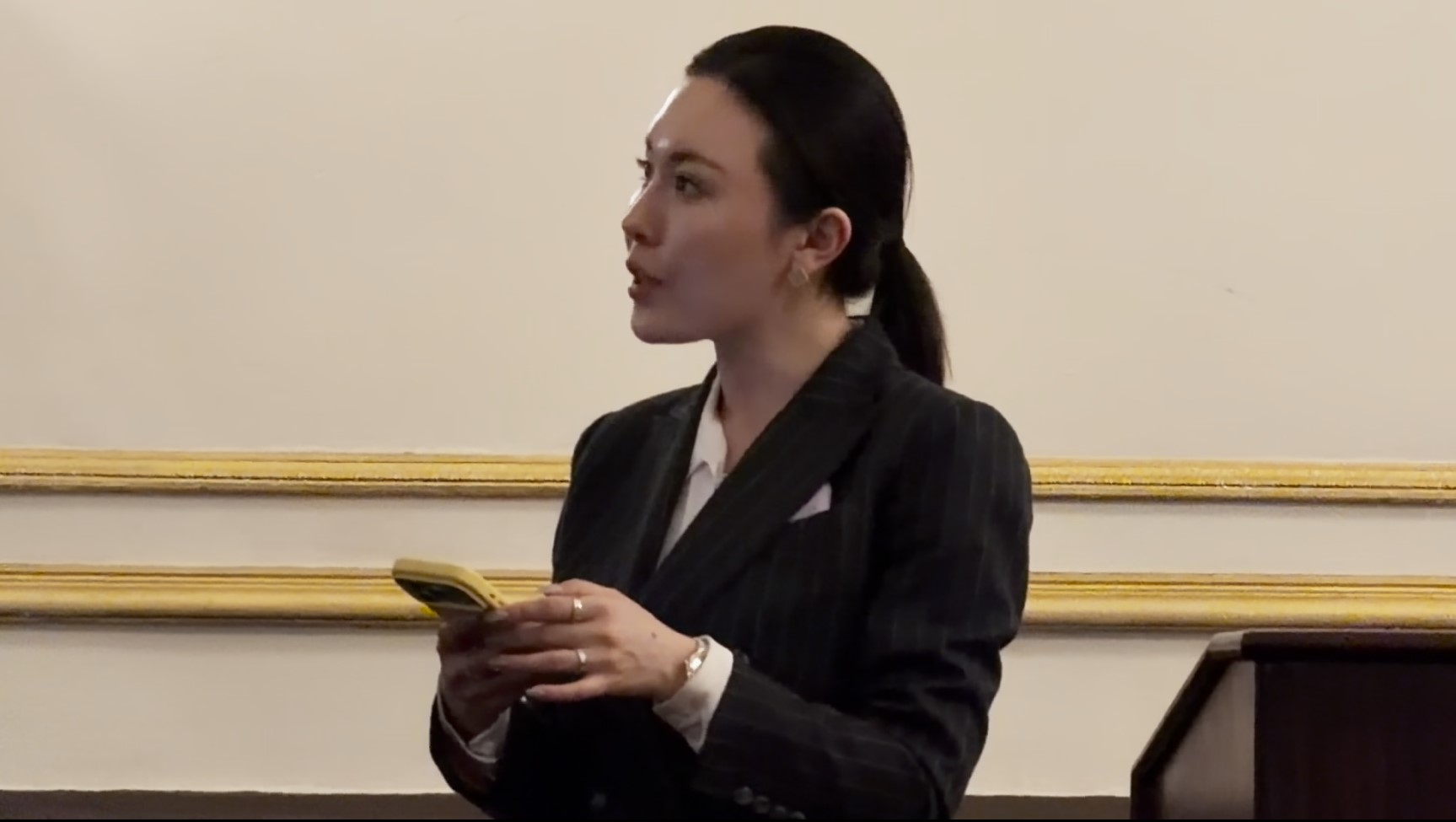
This statement resonated strongly with the audience and prompted reflection. During interviews conducted by the guest host Ms.Kaidi, multiple guests expressed remarkably consistent evaluations of her—not only affirming her achievements but also recognizing her methodology.
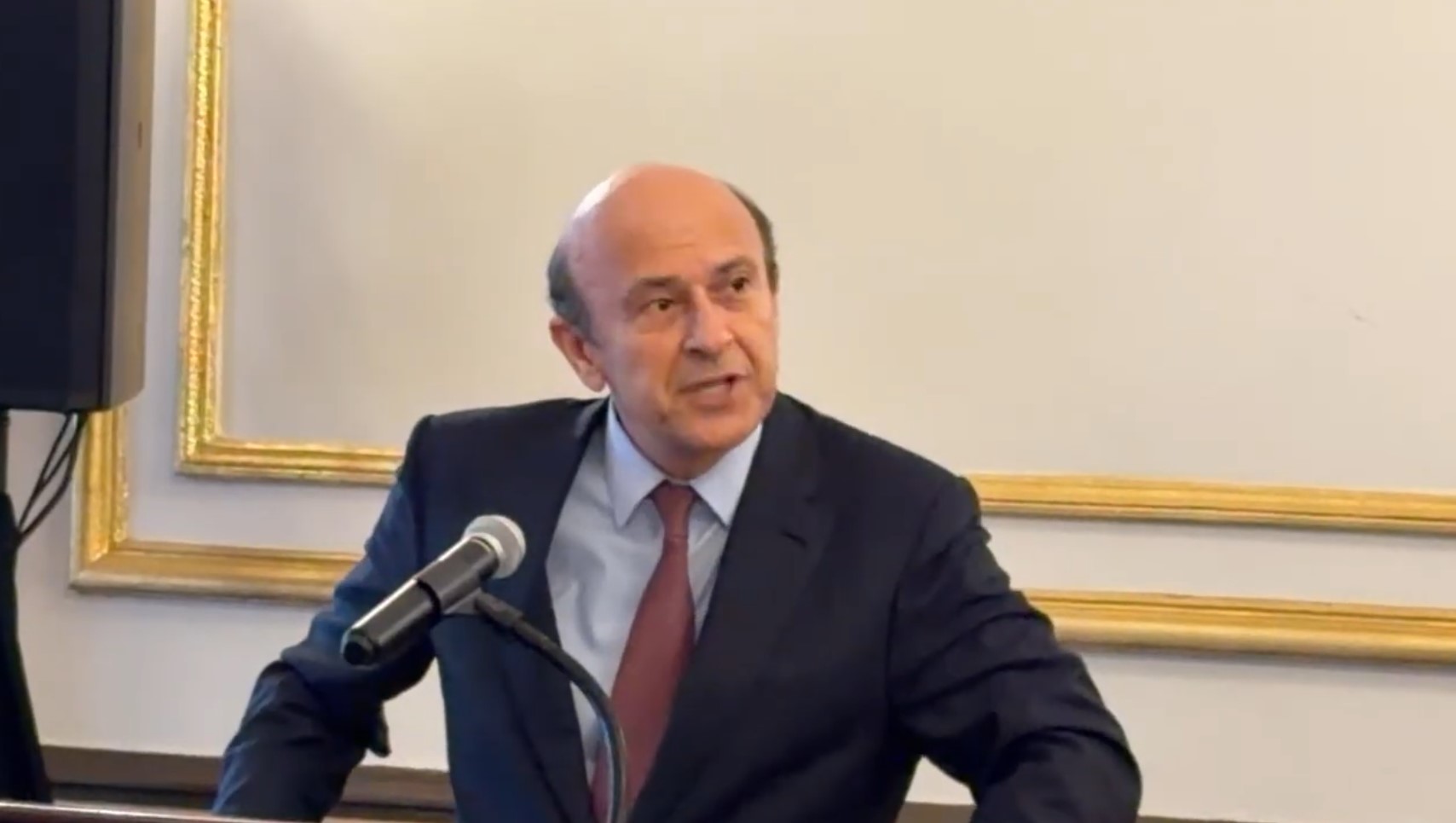
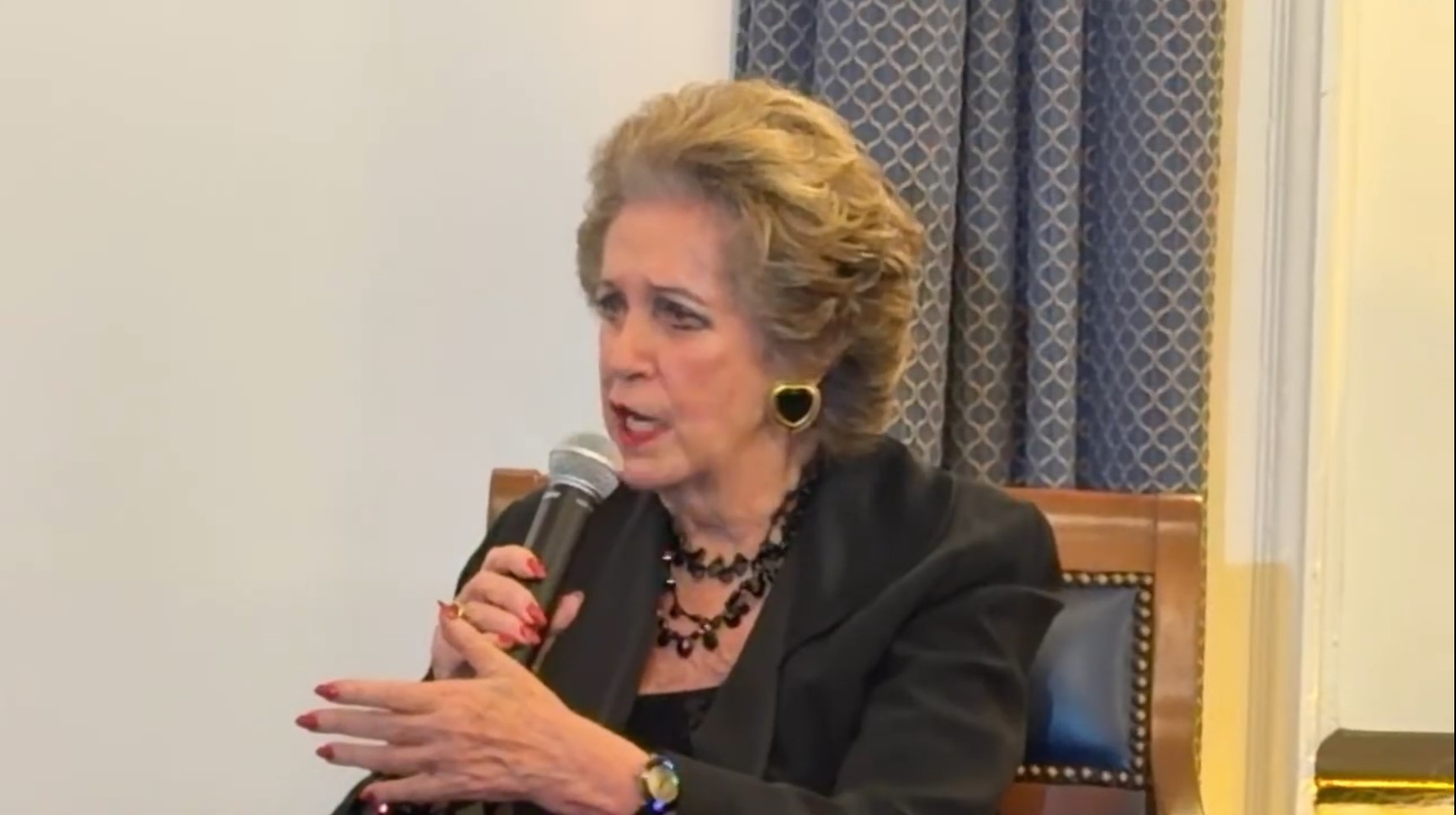
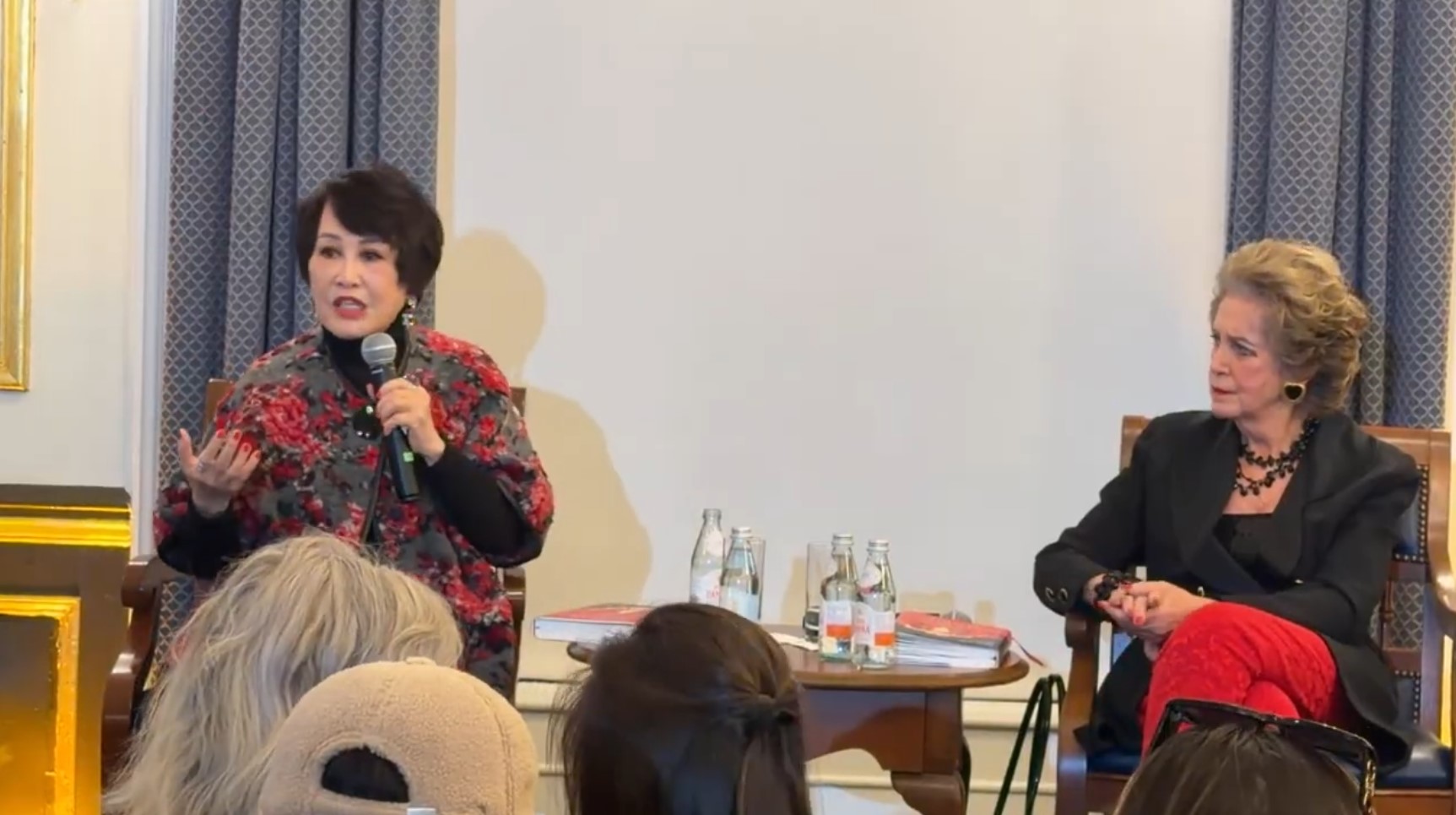
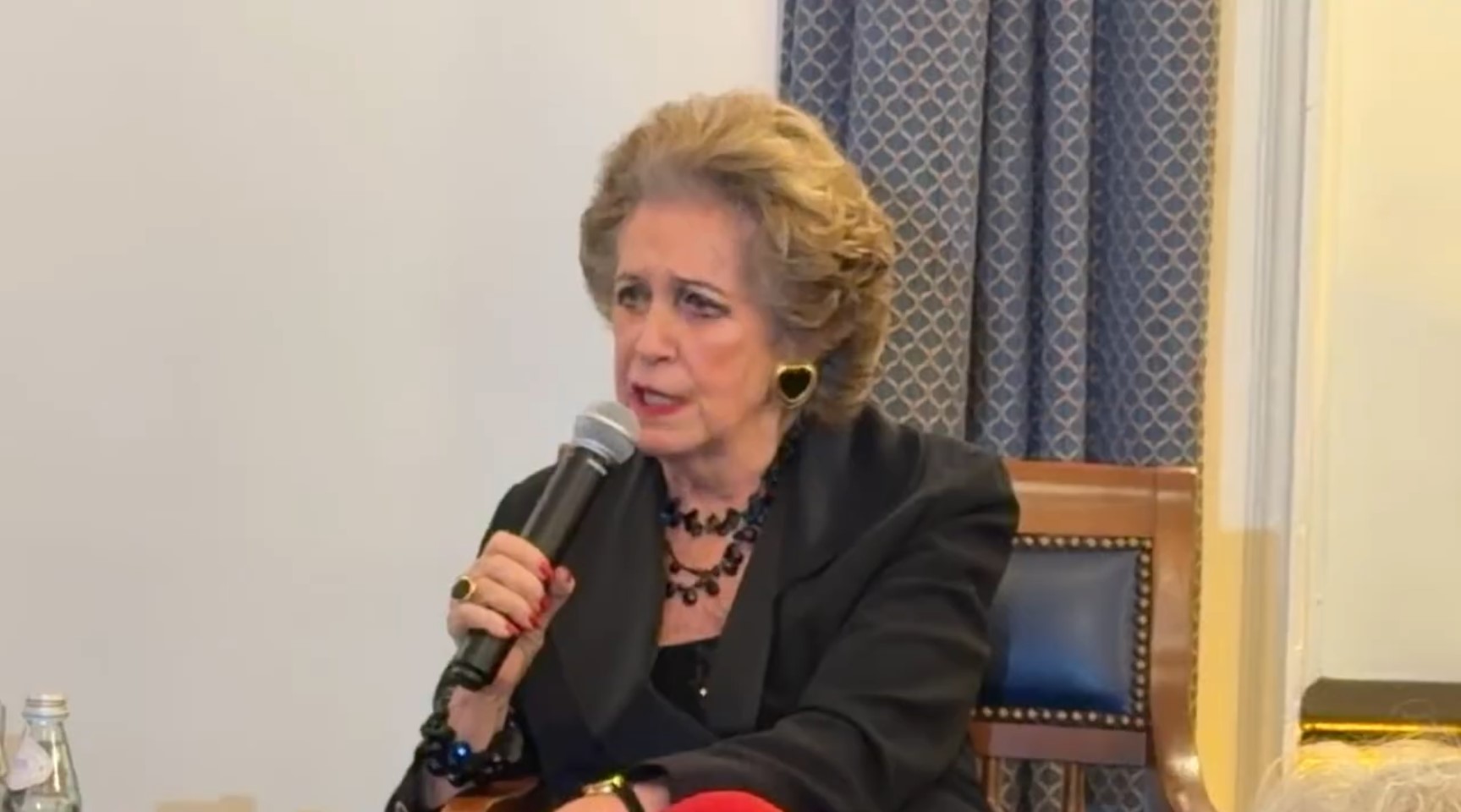
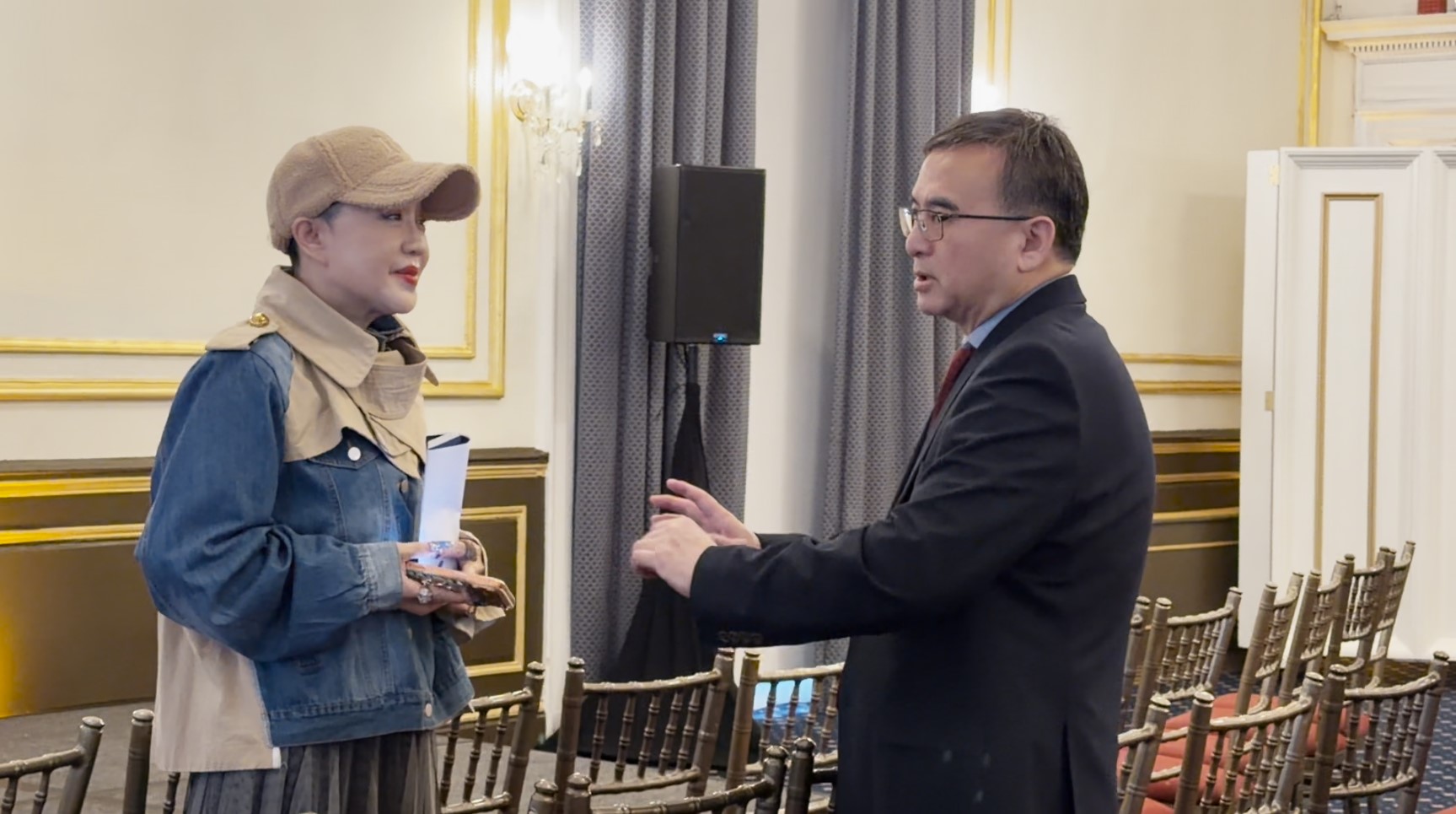
Dame Josefa Capriati, a cultural figure from Italy who has lived in New York for over half a century, stated in an interview with Celebrity Media Alliance guest host Katie: “She is unstoppable. She is the best ambassador of China to the world. She has dedicated her life to promoting Chinese culture globally, and she truly believes in it and persists until the end.” Such evaluation elevates Yue-Sai Kan’s role from a “personally successful figure” to a representative figure of national cultural expression.
Another friend who has known her for nearly forty years offered a more personal yet equally representative perspective: “She is one of the most remarkable people we know. She is generous, talented, and always speaks for her country.” This long-term observation reflects the continuity and stability of her influence, rather than the fluctuation of fame brought by short-term exposure.
From the perspective of younger attendees, she was described as “intelligent, elegant, and attractive,” even being called “an idol for many.” While more intuitive, such evaluations reveal another dimension: Yue-Sai Kan not only exerts influence at institutional and cultural levels but also possesses cross-generational appeal.
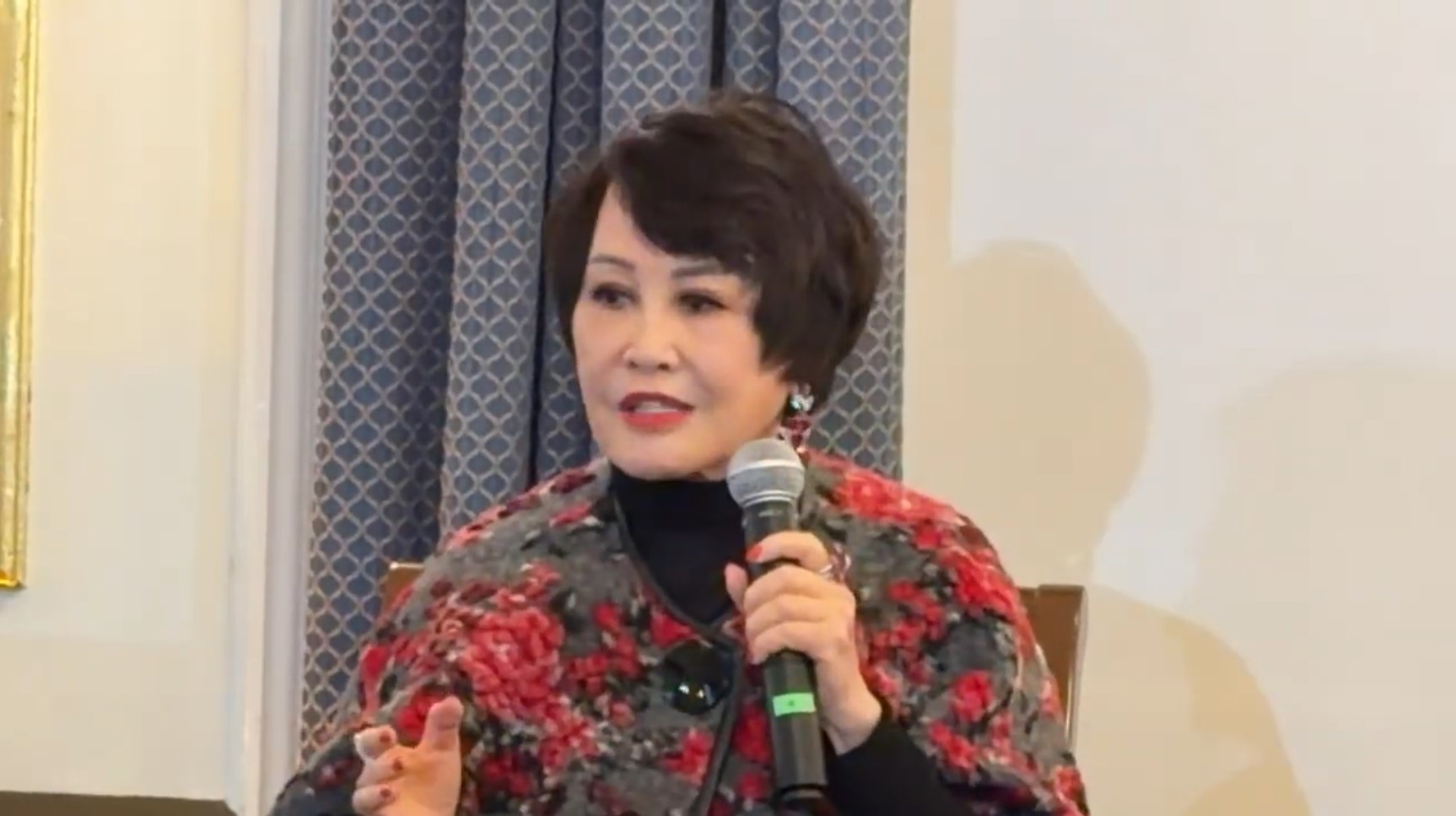
At the event, guests and interviewees emphasized that Yue-Sai Kan today is no longer merely a “well-known woman,” but a symbolic presence—a model illustrating how Chinese women enter the global narrative system. This assessment echoes her earlier work in Looking East, when she actively constructed narratives at a time when the West knew little about Asia; and later, during China’s early reform era, she introduced global perspectives to domestic audiences through One World.
From media to business and public affairs, her trajectory has consistently revolved around one central idea—how to enable different cultures to “see one another.” As another guest at the event noted: “She has been promoting meaningful dialogue between China and the United States, building platforms where scholars, cultural leaders, and civil society organizations can face challenges together rather than oppose one another.”
This “platform-oriented role” also extends into her business endeavors. The Yue-Sai cosmetics brand she founded is not merely a consumer brand but also a form of cultural expression—providing Chinese women with products tailored to their needs while meeting international standards. The brand was eventually acquired by L'Oréal, marking a significant milestone for Chinese domestic brands entering the global market.
Meanwhile, she has long been engaged in collaborations with international organizations such as UNICEF, extending her focus to women’s empowerment, child welfare, and cultural exchange, further institutionalizing and internationalizing her influence.
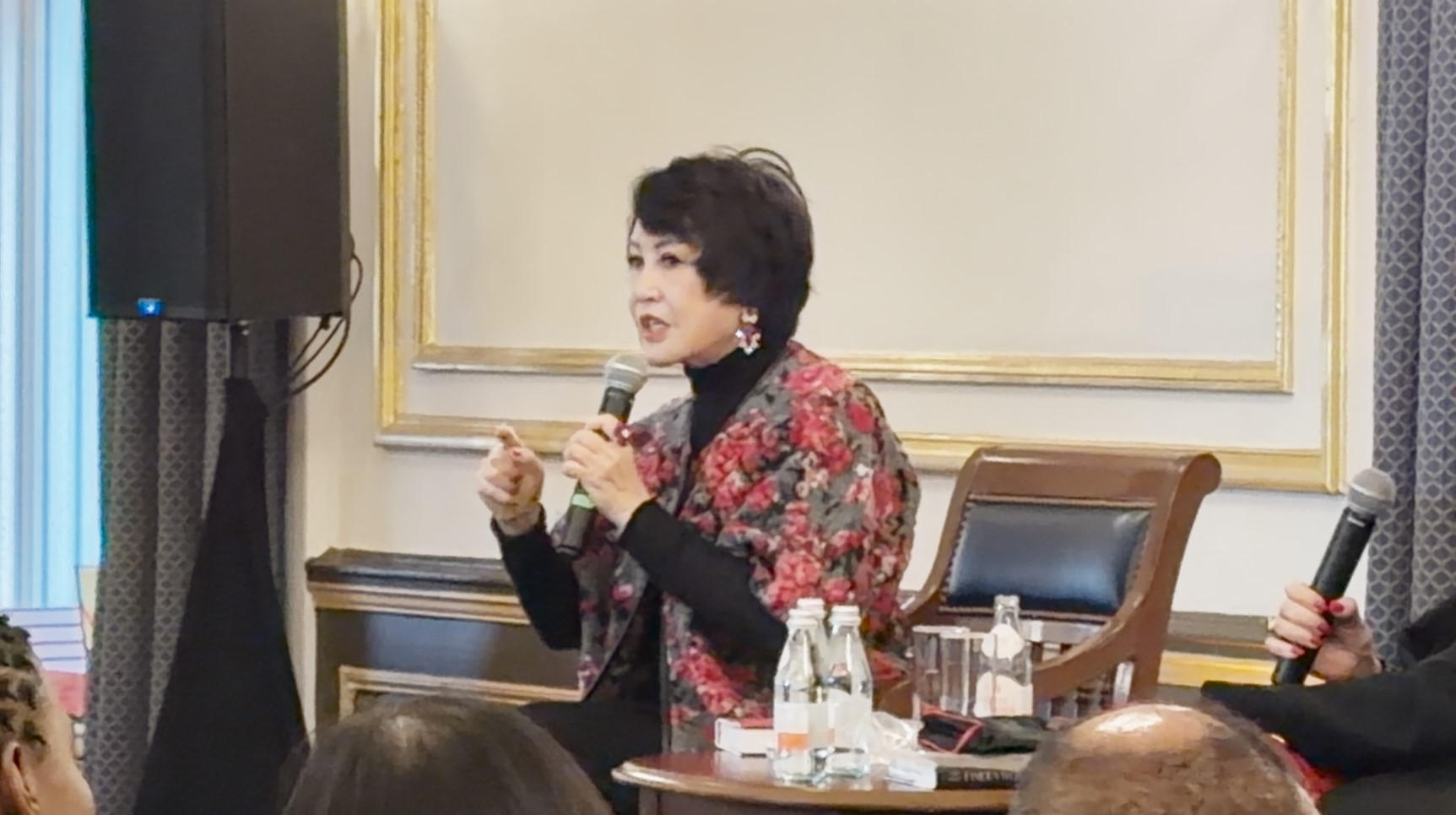
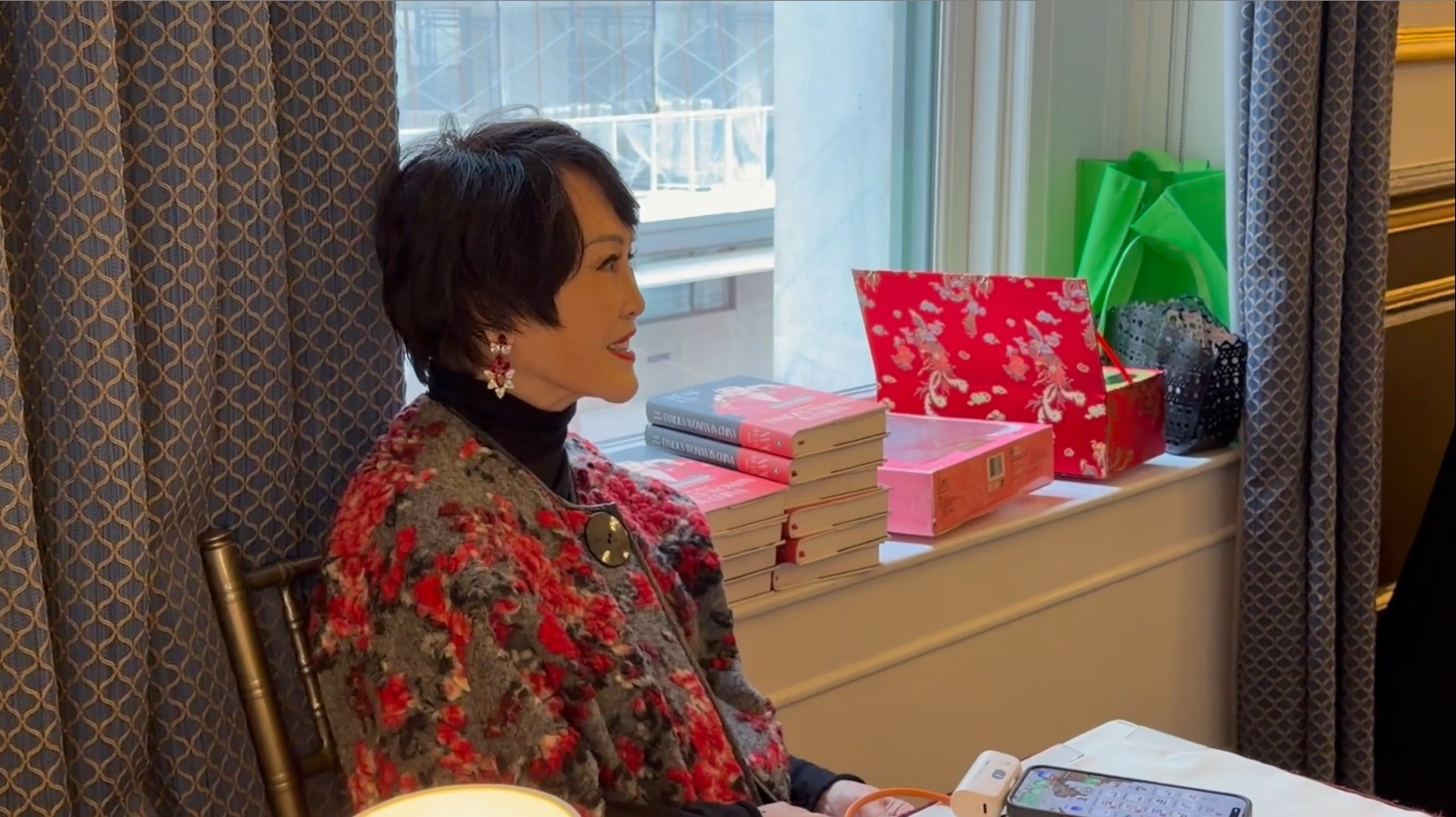
However, in contrast to these external evaluations, she herself has redefined “success.” When addressing the question “How to become the most famous woman in China,” she did not emphasize resources, opportunities, or historical advantages, but returned to a more fundamental proposition: understanding and action. She repeatedly stressed that understanding another culture must begin with language, history, and lived experience; and that a true bridge is not one that stands in the middle, but one that can enter both sides.
From this perspective, “the most famous woman” is not an endpoint but a result—a natural outcome of long-term cross-cultural practice. Her value lies not in what she became, but in the path she offers: how individuals, amid ongoing global structural transformation, can occupy a position of interpretive significance through cognition and action.
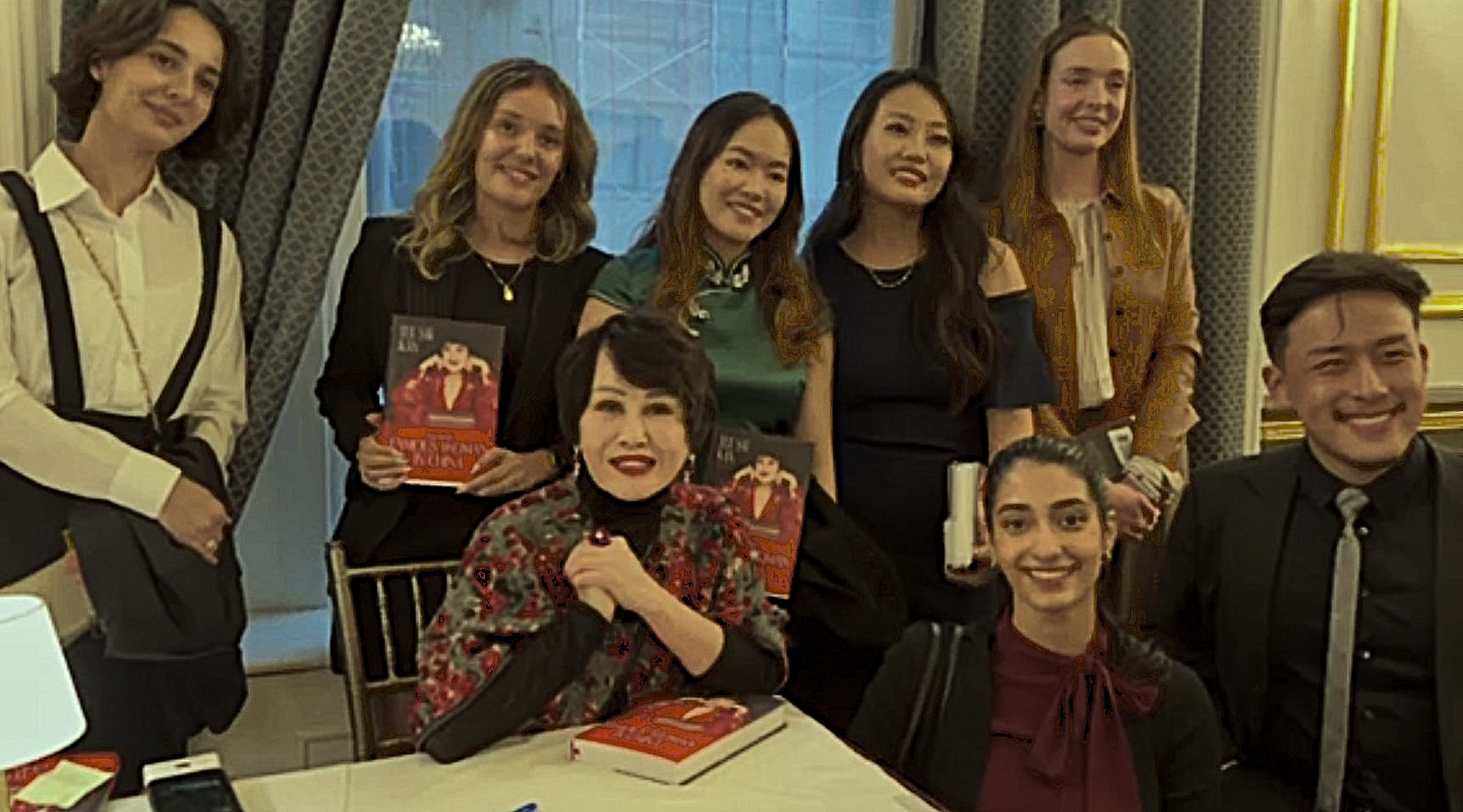
In an era increasingly defined by labels, her story reminds us that what truly deserves discussion is never fame itself, but the structure and logic behind it—and that it is directly proportional to the effort invested.