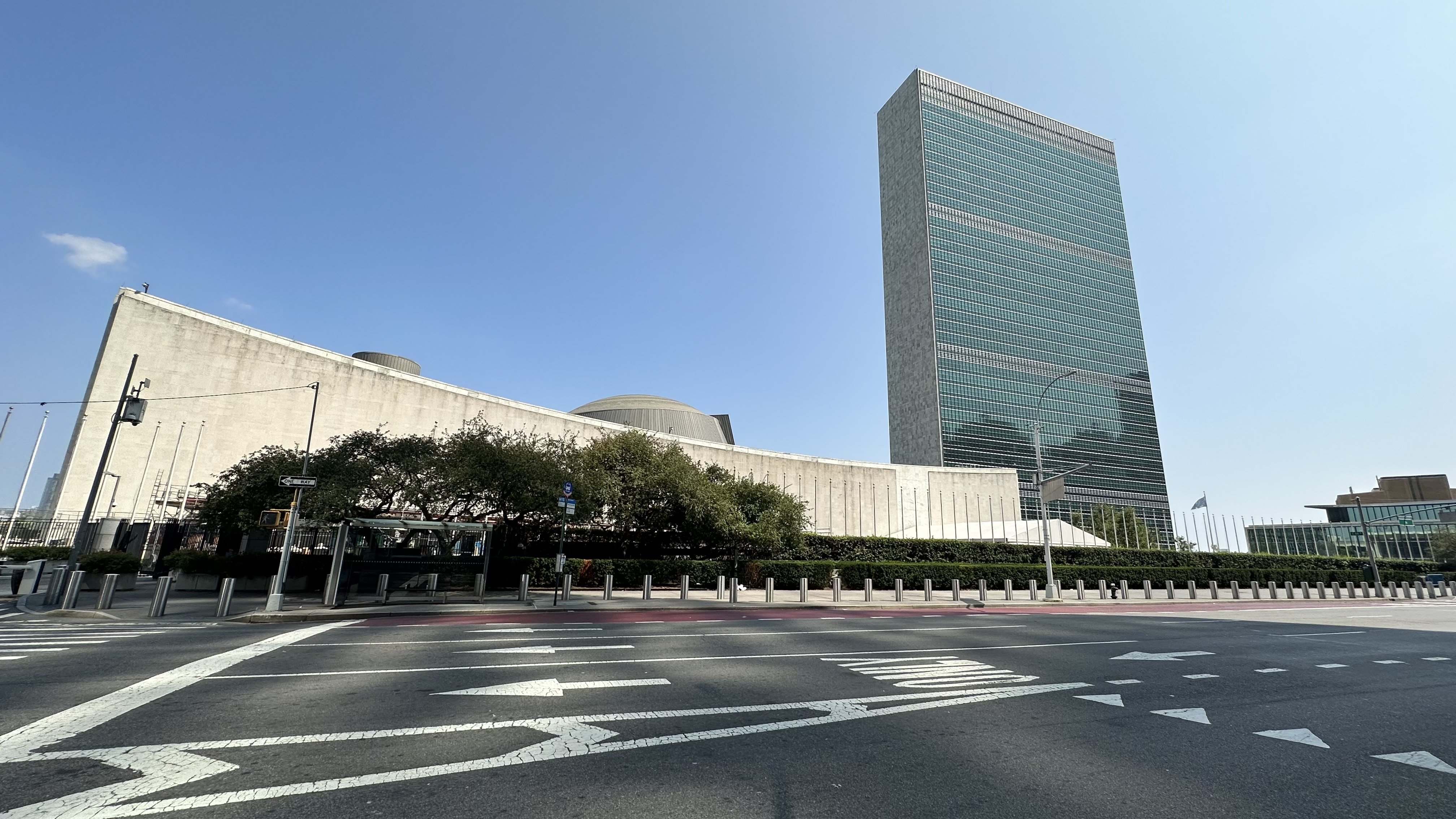
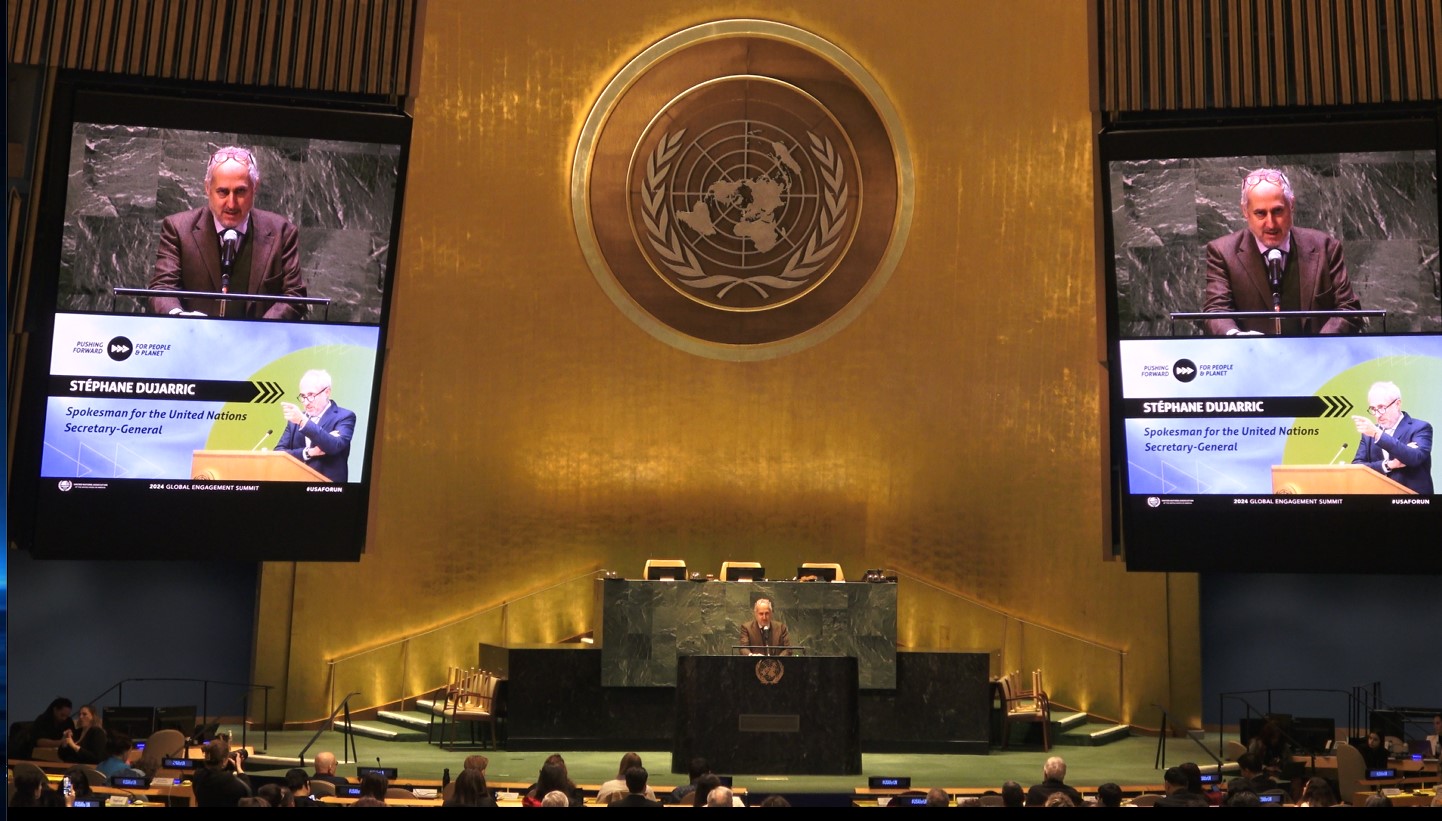
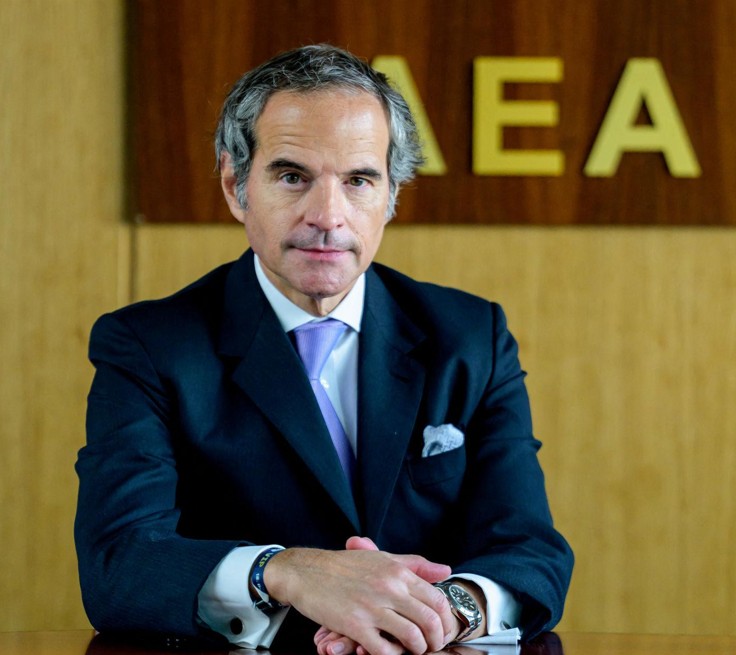
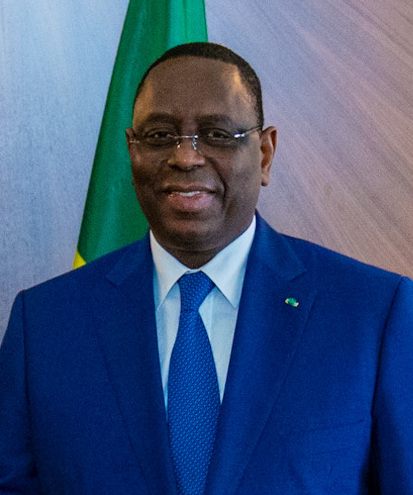
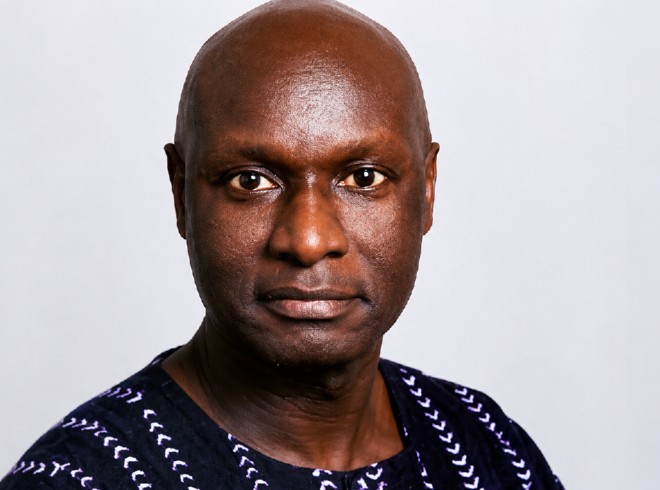
Seven candidates are undergoing closed-door assessments by the United Nations Security Council. According to diplomatic sources cited by multiple media outlets, two female candidates emerged as the early frontrunners after the first informal straw poll. This has renewed the possibility that the United Nations may appoint its first female Secretary-General and brought a question debated for decades back before the international community:
Is the United Nations ready for its first female Secretary-General?
The answer depends not only on the candidates’ abilities, but also on whether the Security Council can rise above the interests of major powers, political inertia, and gender bias to make a choice that will stand the test of history.
The United Nations was founded in 1945. For more than eight decades, its Secretaries-General have come from Europe, Asia, Africa, and Latin America—but every one of them has been a man.
From the Cold War to the post-Cold War era, from peacekeeping to the advancement of sustainable development, and from the Millennium Development Goals to the 2030 Agenda for Sustainable Development, the United Nations has undergone one major transformation after another. Yet today, when women make up nearly half of the world’s population, no woman has ever held the organization’s highest administrative office.
Is this merely a historical accident, or the result of long-standing inertia in international politics?
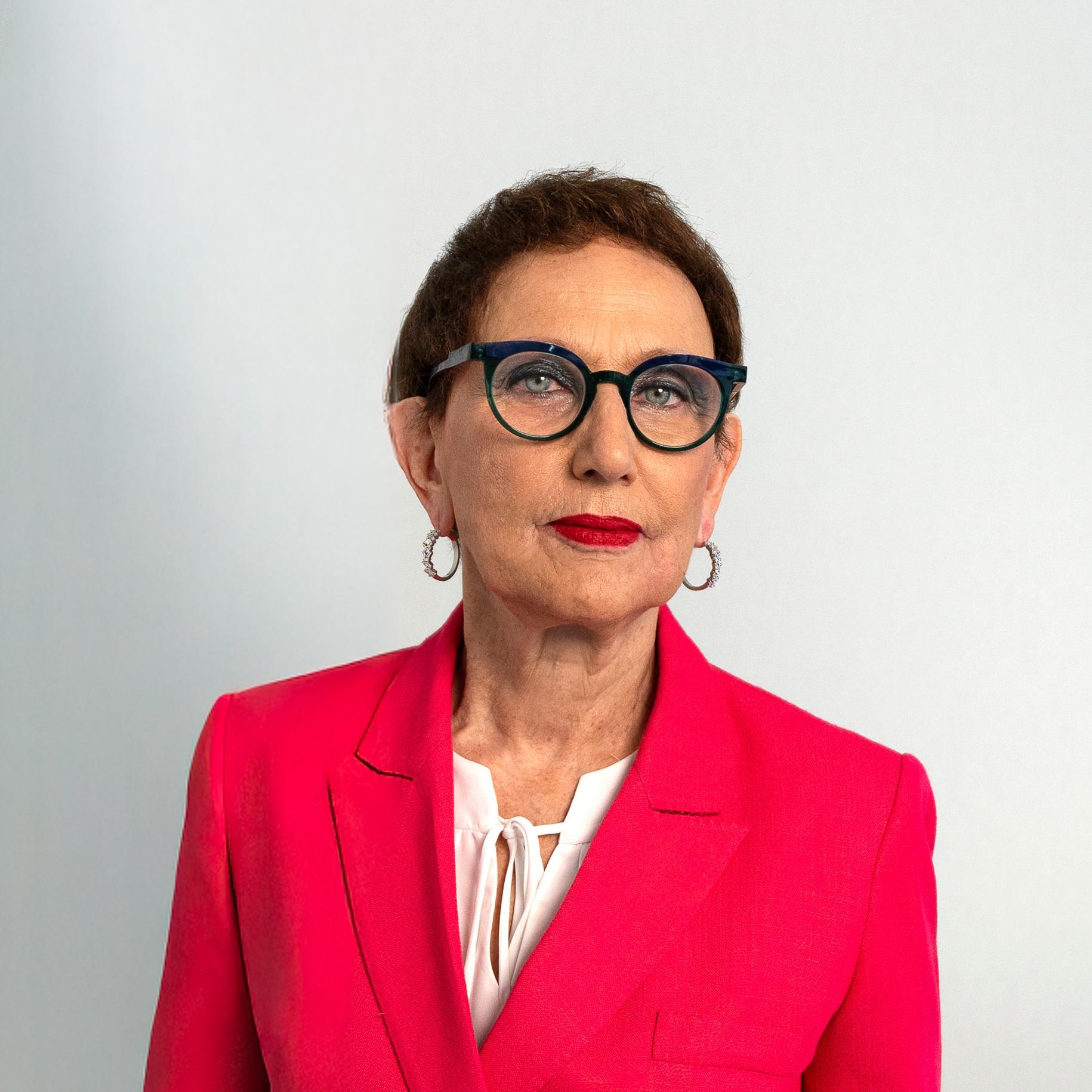
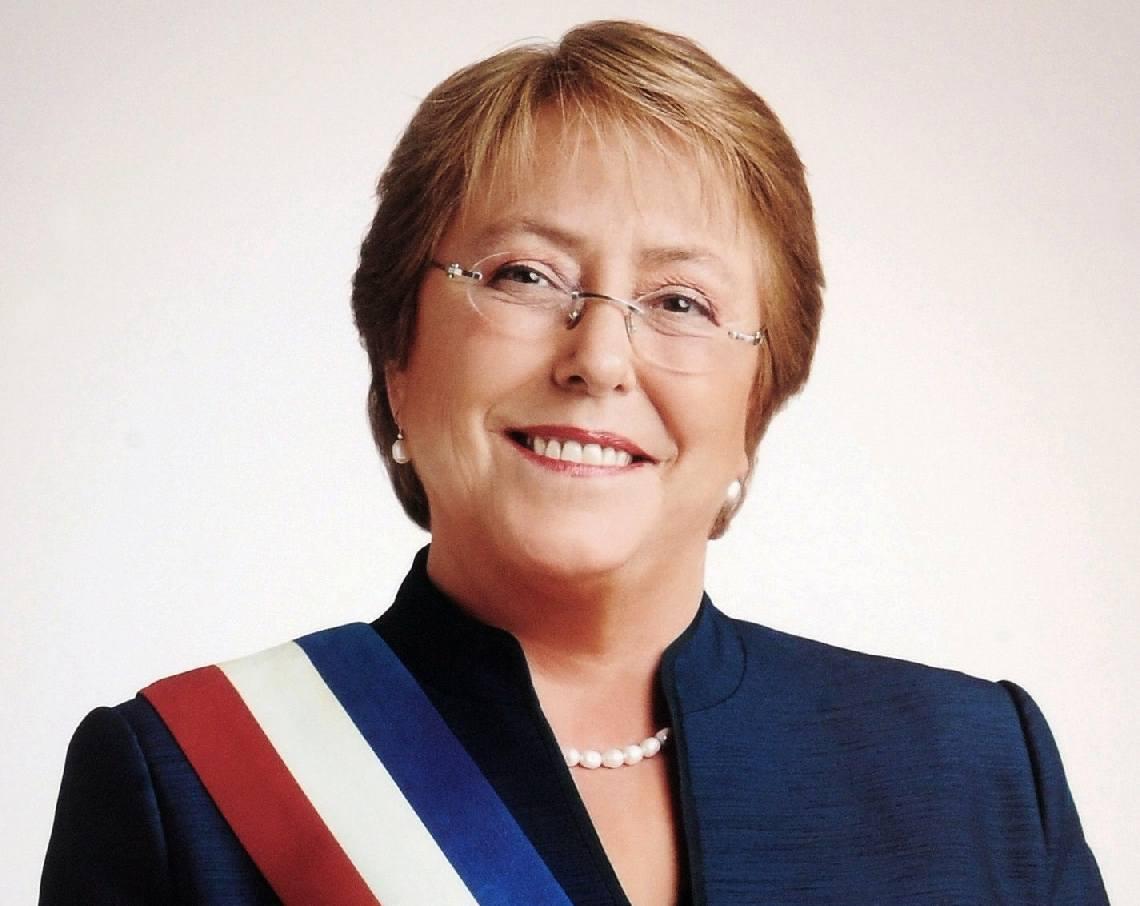
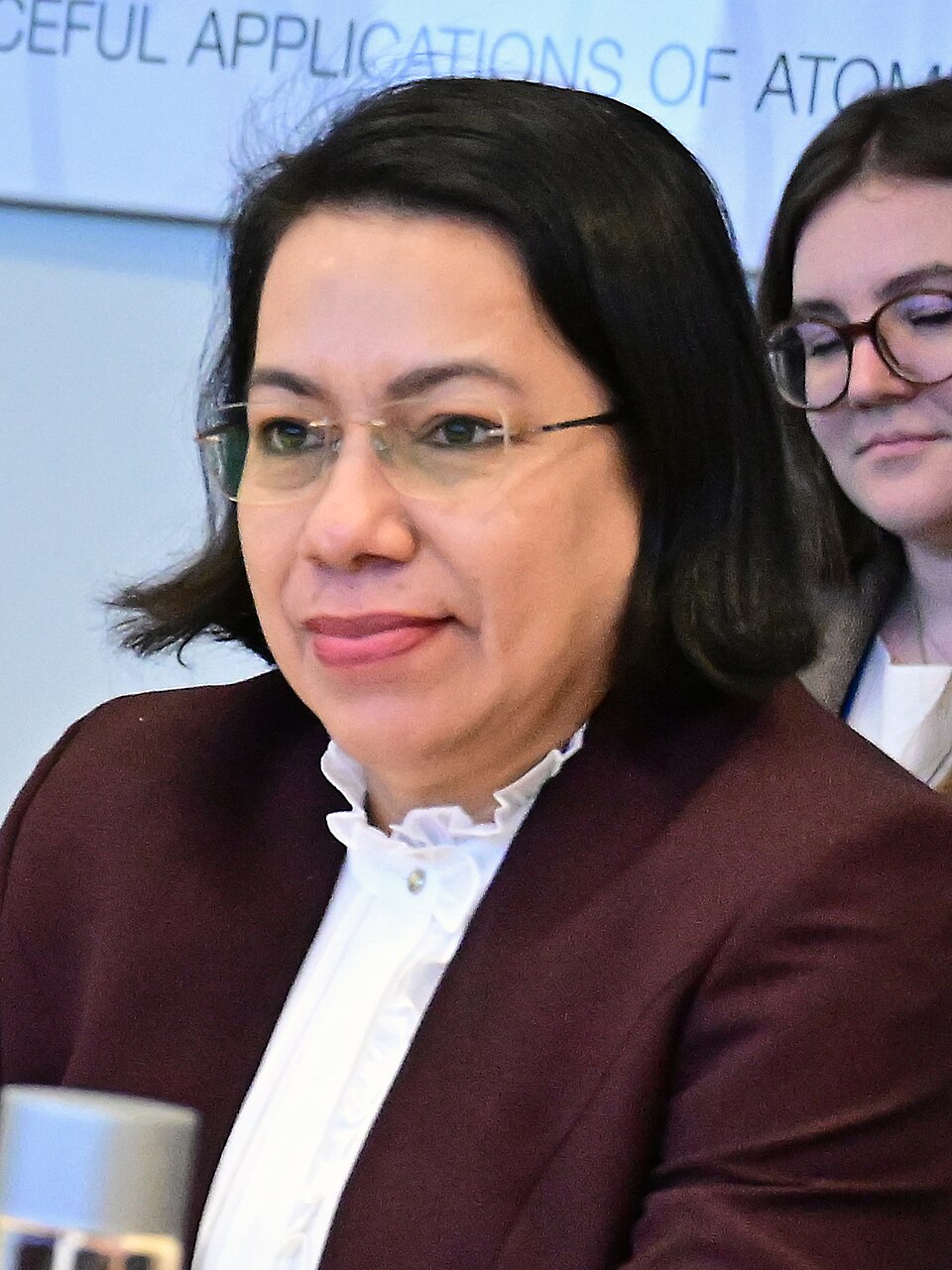
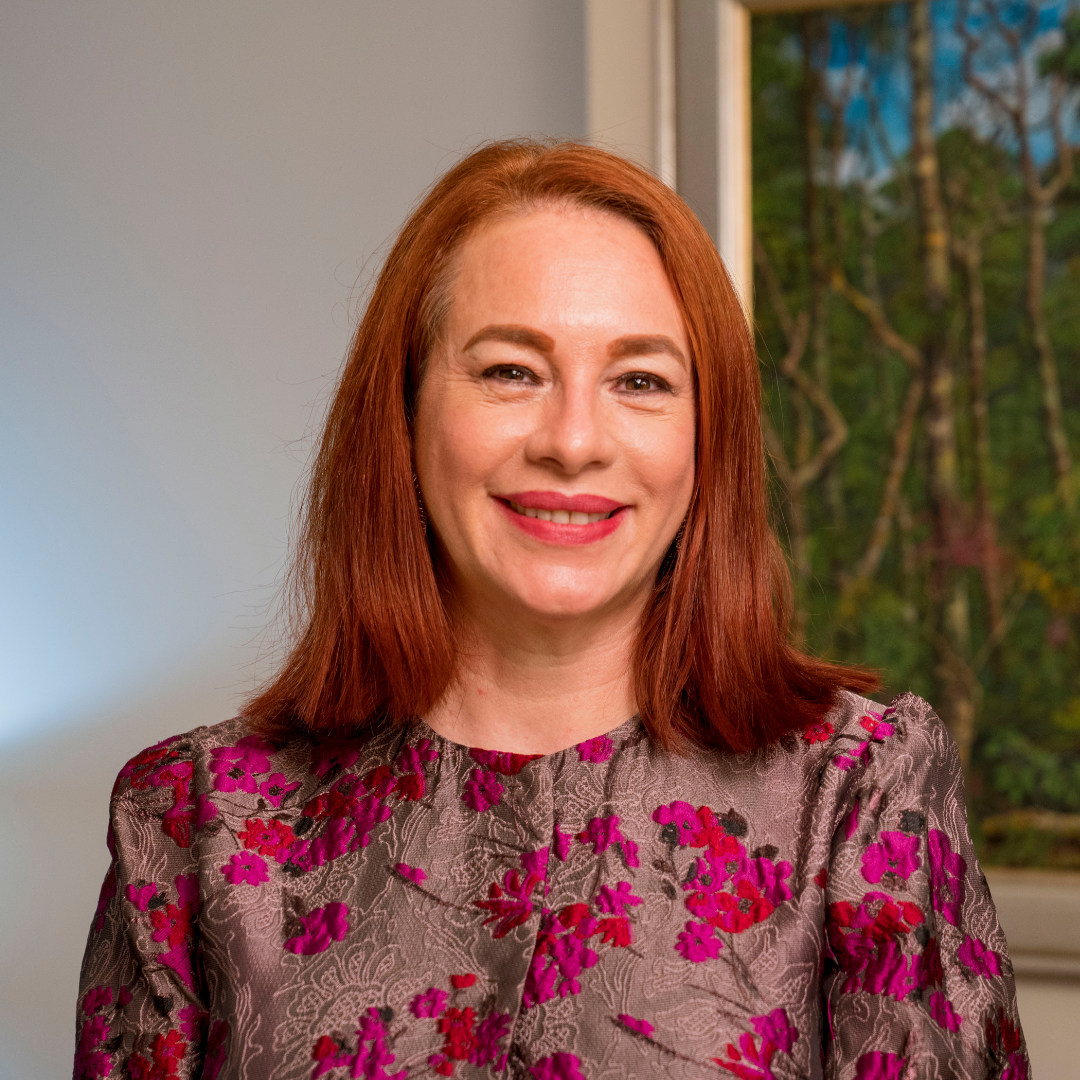
The world today faces unprecedented complexity: regional conflicts drag on, geopolitical competition continues to intensify, artificial intelligence is rapidly reshaping how society operates, and climate change, public health, poverty, and the global development divide are increasingly intertwined.
The United Nations Secretary-General is not the leader of a “world government,” cannot decide international affairs alone, and cannot make choices on behalf of sovereign states. Nevertheless, the Secretary-General is not only the UN’s chief administrative officer, but also an important embodiment of the spirit of the UN Charter, a mediator in international crises, a champion of multilateral cooperation, and a vital voice for vulnerable and overlooked communities around the world.
The world therefore needs more than someone capable of managing the UN system. It needs a leader who can exercise independent judgment amid the competing interests of major powers, promote dialogue among parties to conflict, and rebuild consensus when trust within the international community has eroded.
Are women inherently better suited than men to serve as United Nations Secretary-General?
The answer, of course, is no.
Gender should not be the sole criterion in selecting a Secretary-General. The decision should also reflect competence, character, global vision, credibility, independence, and the political wisdom to navigate complex international relations. Female leaders differ in their political positions, governing experience, and leadership abilities, and they should not be judged alike simply because they share the same gender.
Yet when several female candidates already possess the experience and ability required of a Secretary-General, the international community must seriously consider whether the United Nations should continue an eight-decade history in which no woman has ever been selected for the role.
True equality does not mean supporting a candidate unconditionally because she is a woman. It means ensuring that when she is equally—or even better—qualified, she is no longer denied the opportunity because she is a woman.
The appointment of the first female Secretary-General would undoubtedly carry profound symbolic significance, but symbolism alone is not enough.
If a woman is merely the safest compromise among major powers but cannot maintain her independence, advance reform, or speak openly during major crises, then a breakthrough in gender representation will not necessarily translate into a breakthrough in UN leadership.
What the international community needs is not merely a change in the gender of the person occupying the UN’s highest office, but a genuine renewal of leadership, institutional reform, and the spirit of multilateralism.
The Secretary-General must ultimately be recommended by the Security Council. A candidate must secure at least nine votes in the Council without being vetoed by any of its permanent members, and must then be appointed by the United Nations General Assembly.
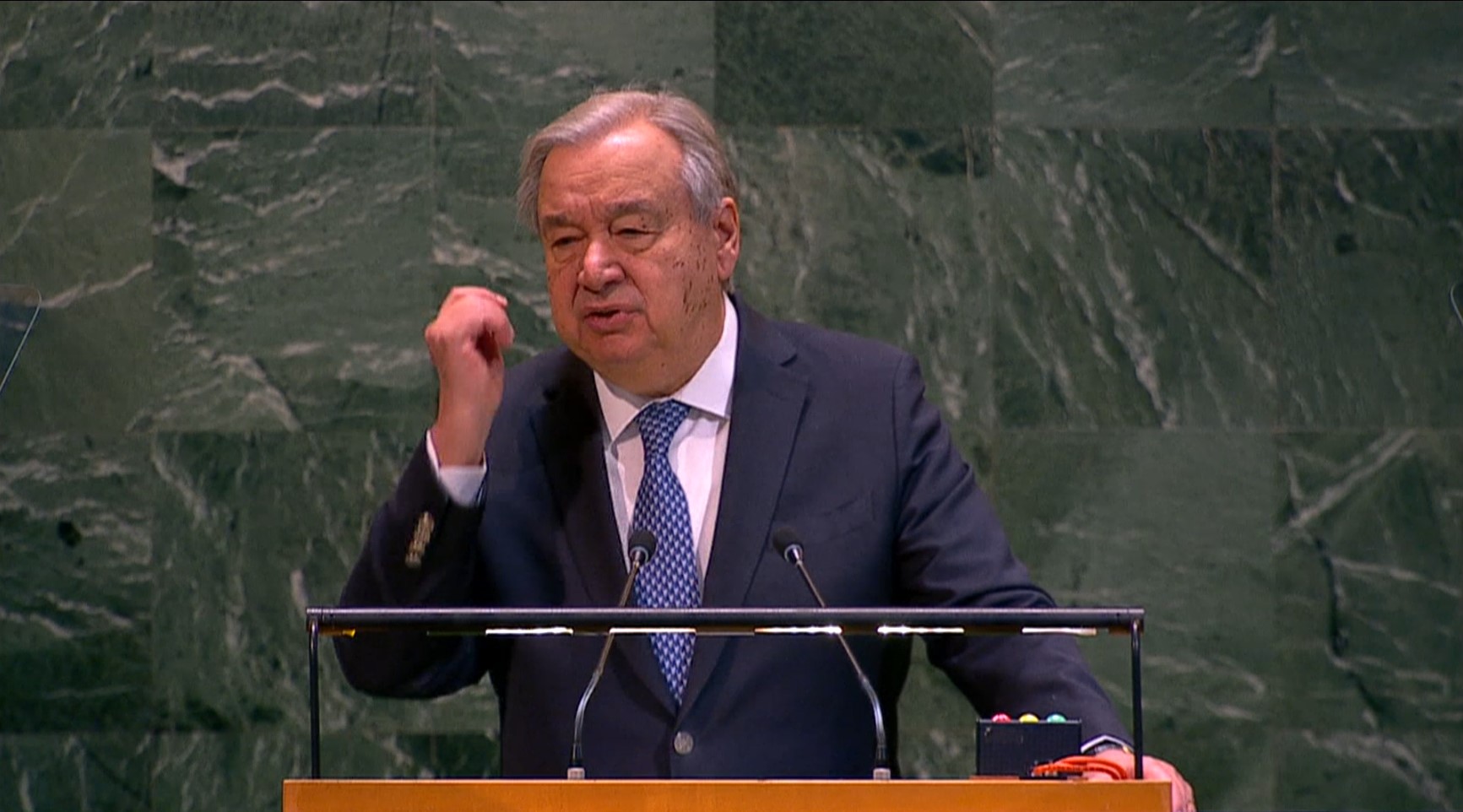
This means that the final outcome will still be determined by the complex politics of major powers, rather than solely by the candidates’ résumés, public expectations, or international reputations.
History also shows that the person ultimately selected as United Nations Secretary-General is often not the most prominent candidate or the one receiving the greatest public attention, but rather someone broadly acceptable to the members of the Security Council—especially its five permanent members.
Consequently, the coming rounds of informal straw polls and any shifts in the positions of the permanent members will directly shape the final outcome of this selection process.
This once again exposes long-standing problems in the way the United Nations selects its Secretary-General.
In recent years, candidates have begun participating in public dialogues, allowing the international community to learn about their backgrounds, ideas, and policy positions. This is a welcome step forward. Yet the Security Council negotiations and decisive votes that determine the outcome still take place behind closed doors.
If the United Nations expects countries to practice good governance, public accountability, and institutional transparency, then the process by which it selects its own highest administrative official should also be subject to fuller international scrutiny.
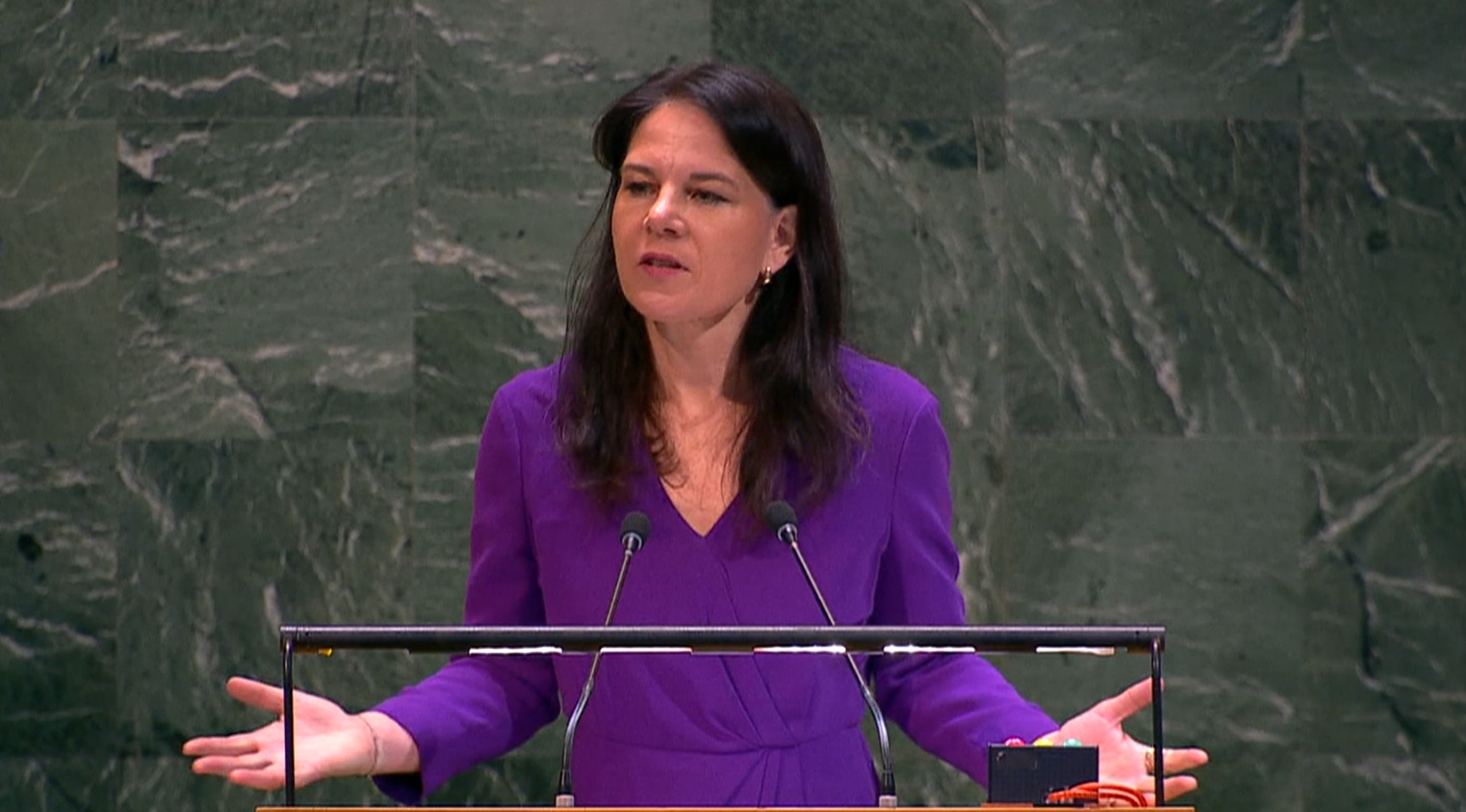
The outcome matters, but whether the selection process is fair, open, and credible is equally important to the credibility of the United Nations itself.
Celebrity Media believes that whoever is ultimately selected, the next Secretary-General must confront the real challenges facing the United Nations: the Security Council is frequently deadlocked over major conflicts; UN agencies are under financial strain; multilateralism is being weakened by unilateral action and rivalry among major powers; the development priorities of Global South countries remain inadequately addressed; and the ethical and governance challenges posed by emerging technologies are expanding rapidly.
The next Secretary-General must place greater emphasis on peace, development, human rights, technology ethics, and equitable participation by countries of the Global South, while working to restore international trust in the United Nations amid an increasingly divided global environment.
If the United Nations selects the first female Secretary-General in its history in 2026, it will mark not only a historic breakthrough in UN leadership but also an important moment in the global pursuit of gender equality.
Whether that historic significance can be transformed into genuine progress, however, will depend on her future leadership, independent judgment, and actions.
If this selection process still fails to produce the first female Secretary-General, the international community will be justified in asking whether other candidates were truly more qualified—or whether invisible barriers rooted in closed-door negotiations, major-power interests, and political inertia have yet to disappear.
The vote can tell the world only who was ultimately selected. Whether that choice was the right one will be judged by time, action, and history.
The United Nations must also make the selection process more open and transparent, reduce behind-the-scenes political bargaining, and allow the international community to examine the candidates’ abilities, ideas, and independence more fully.
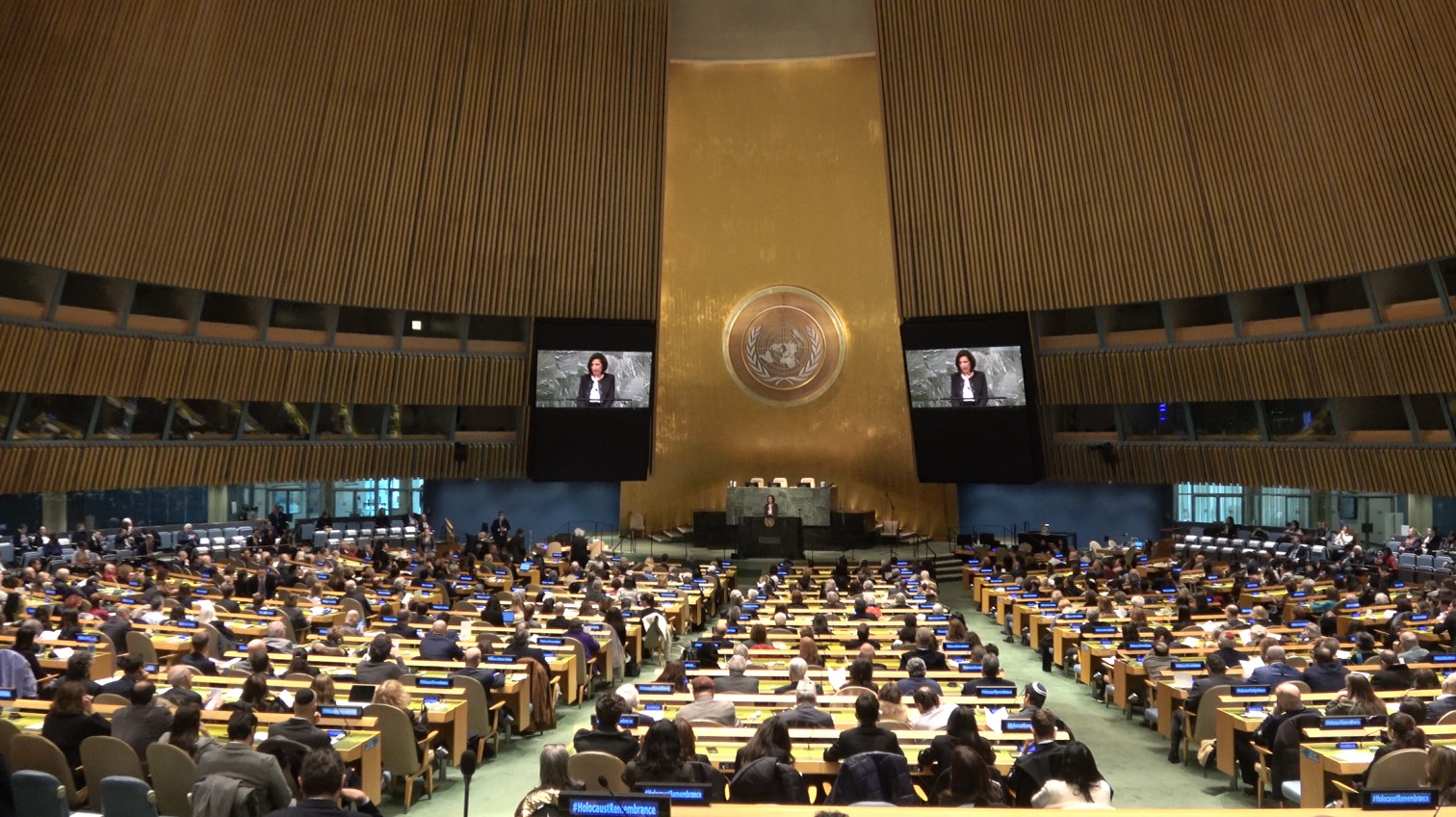
A fairer, more inclusive, and more united United Nations was not only an ideal at the organization’s founding in 1945; it should also be a shared goal for the international community in the twenty-first century.
The United Nations has reached a new crossroads.
The 2026 vote will determine who becomes the next Secretary-General, while her or his actions will determine how the international community ultimately judges that choice.
The answer may be revealed soon, but history’s judgment is only beginning.
Celebrity Media has reason to say this: The United Nations should not choose a woman merely to make history—but neither should it preserve history by once again passing over the most qualified woman.