 Celebrity Media TV

As artificial intelligence is increasingly used in patient consultations, medical appointments, insurance services, clinical information processing, and the internal management of healthcare institutions, the industry’s focus is no longer simply on what AI can do. Greater attention is now being paid to whether AI can accurately understand medical information, operate reliably under different circumstances, and remain controllable when patient safety and privacy are involved.
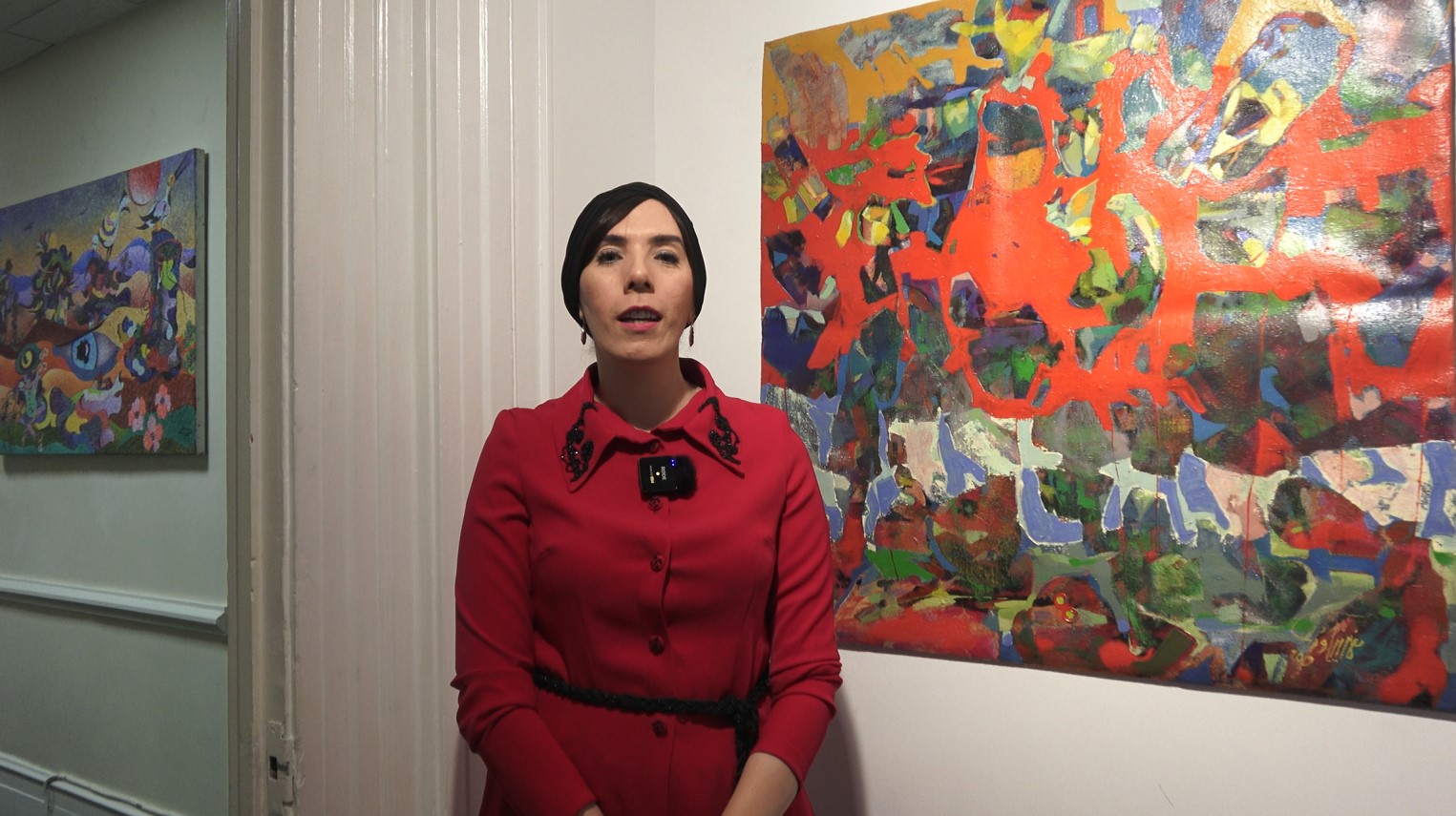
In interviews with Celebrity Media, Tom Zuzello, Senior Enterprise Healthcare Executive at TestMu AI, and Kevin Crosby, Managing Director of Healthcare and Life Sciences, discussed the application of AI in software quality engineering and healthcare system testing.
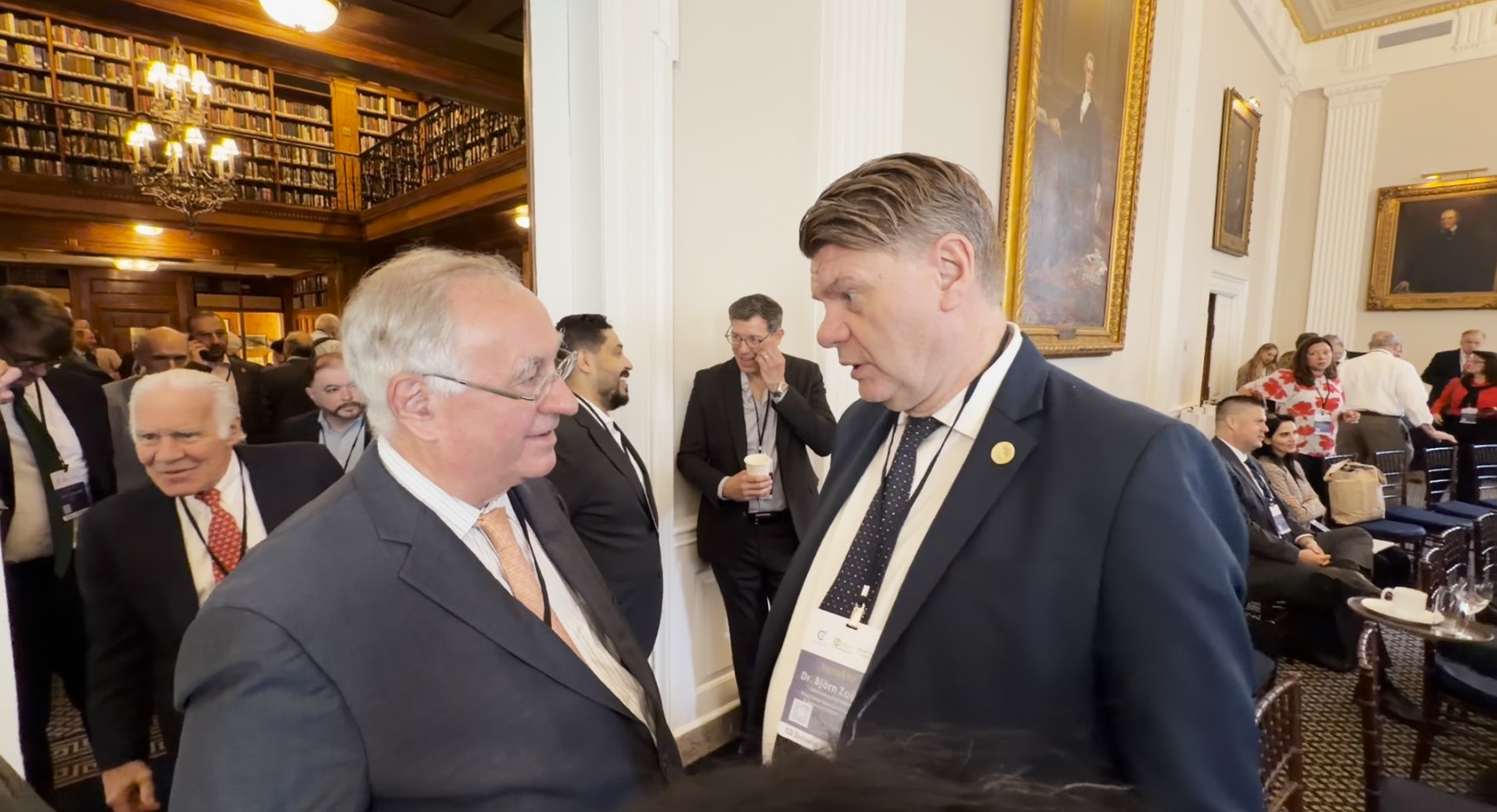

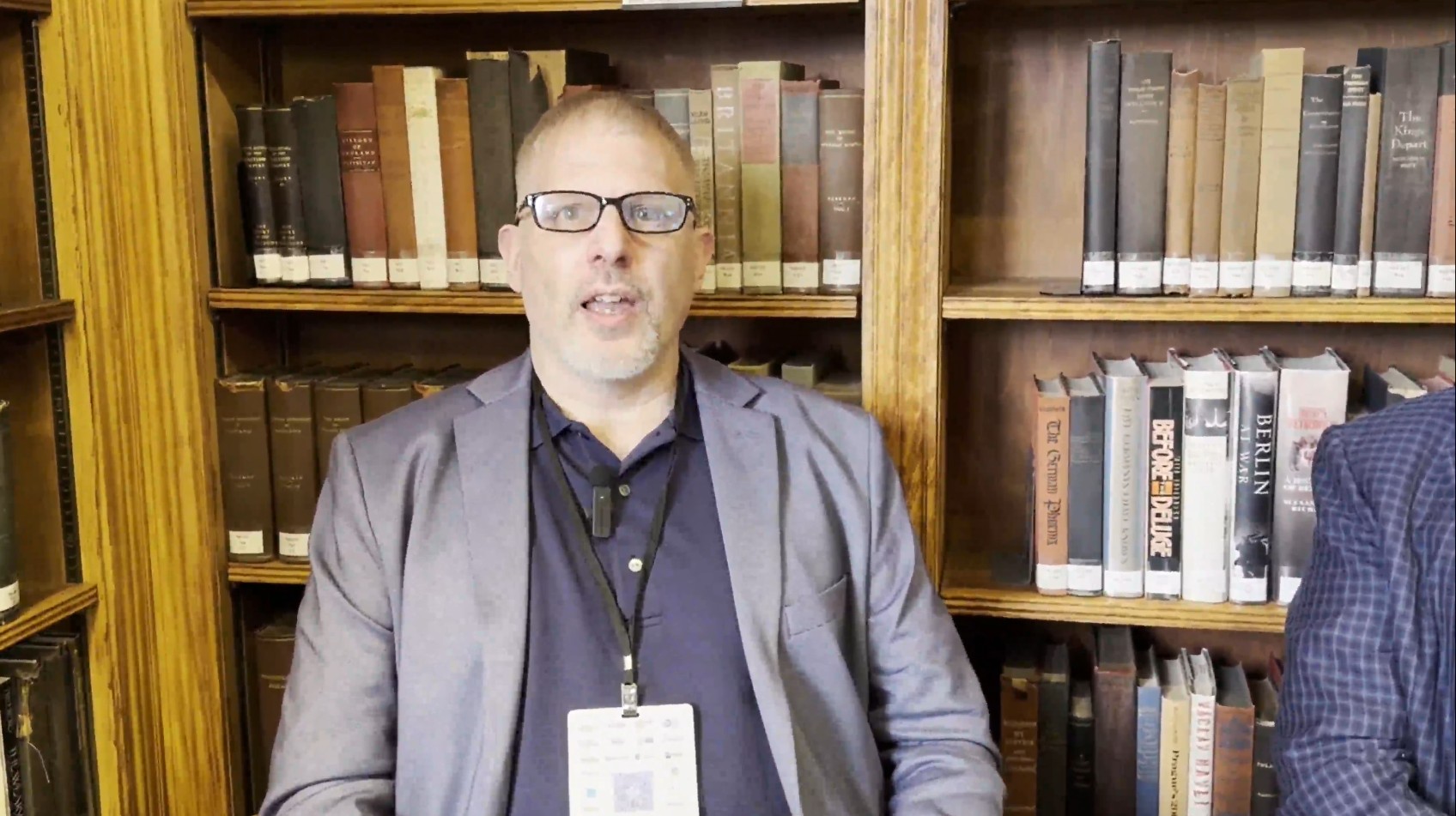
They explained that chatbots, AI-powered voice agents, interactive voice response systems, and other AI tools adopted by healthcare institutions must be tested across a wide range of scenarios before being put into service. Testing must determine not only whether a system can answer questions, but also whether it can correctly perform tasks, follow established rules, and avoid producing misleading results in complex or unusual situations.
TestMu AI provides an end-to-end testing process covering test planning, test-case creation, execution, and results analysis. Technical teams can create tests using natural language and evaluate software performance, accessibility, user interfaces, and system stability. AI can also assist in analyzing the causes of test failures, helping teams identify and resolve problems more quickly.
To address the specialized needs of the healthcare industry, TestMu AI incorporates multiple professional medical standards and information systems into its testing environment. These include the SNOMED CT clinical terminology standard, the LOINC laboratory testing standard, the RxNorm and DailyMed prescription drug information systems, and the ICD-10 and CPT systems used for diagnoses, medical procedures, billing, and coding.
These professional resources help testing systems determine whether medical AI correctly understands clinical terminology, laboratory results, medication information, and billing codes, thereby reducing the risks associated with misinterpreting information.
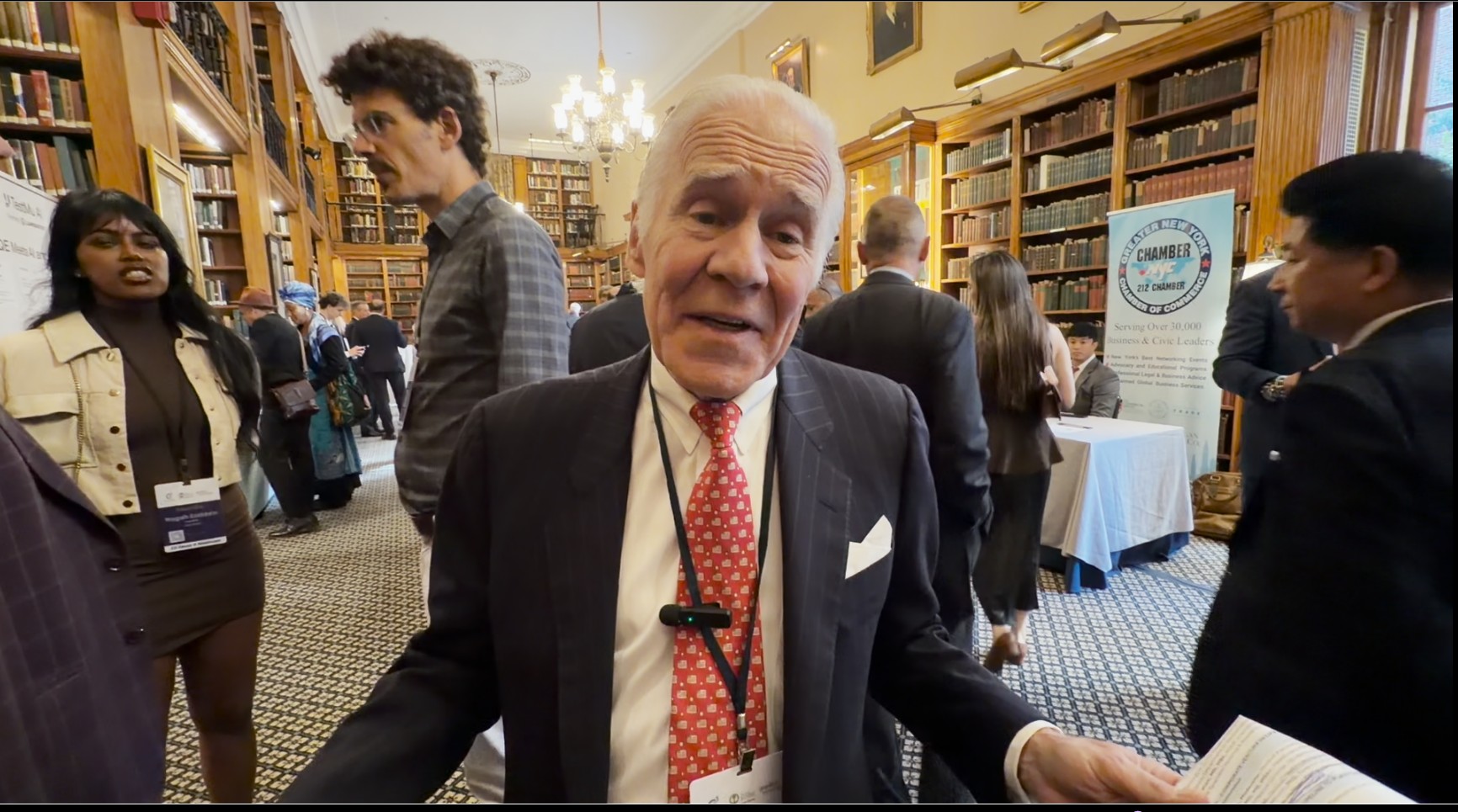

The interviewees also noted that a growing number of healthcare institutions and businesses are developing AI agents capable of performing tasks autonomously. These agents may participate in patient communications, appointment scheduling, information organization, customer service, or internal workflows. It is therefore essential to ensure that they always operate within their authorized scope.
Relevant testing includes determining whether an AI system deviates from its assigned task, can be manipulated by malicious instructions, discloses sensitive information, or continues to follow safety rules when confronted with questions or situations for which it was not specifically prepared. Continuous testing is especially important in healthcare because even a seemingly minor error may affect the patient experience, medical decisions, or an institution’s regulatory compliance.
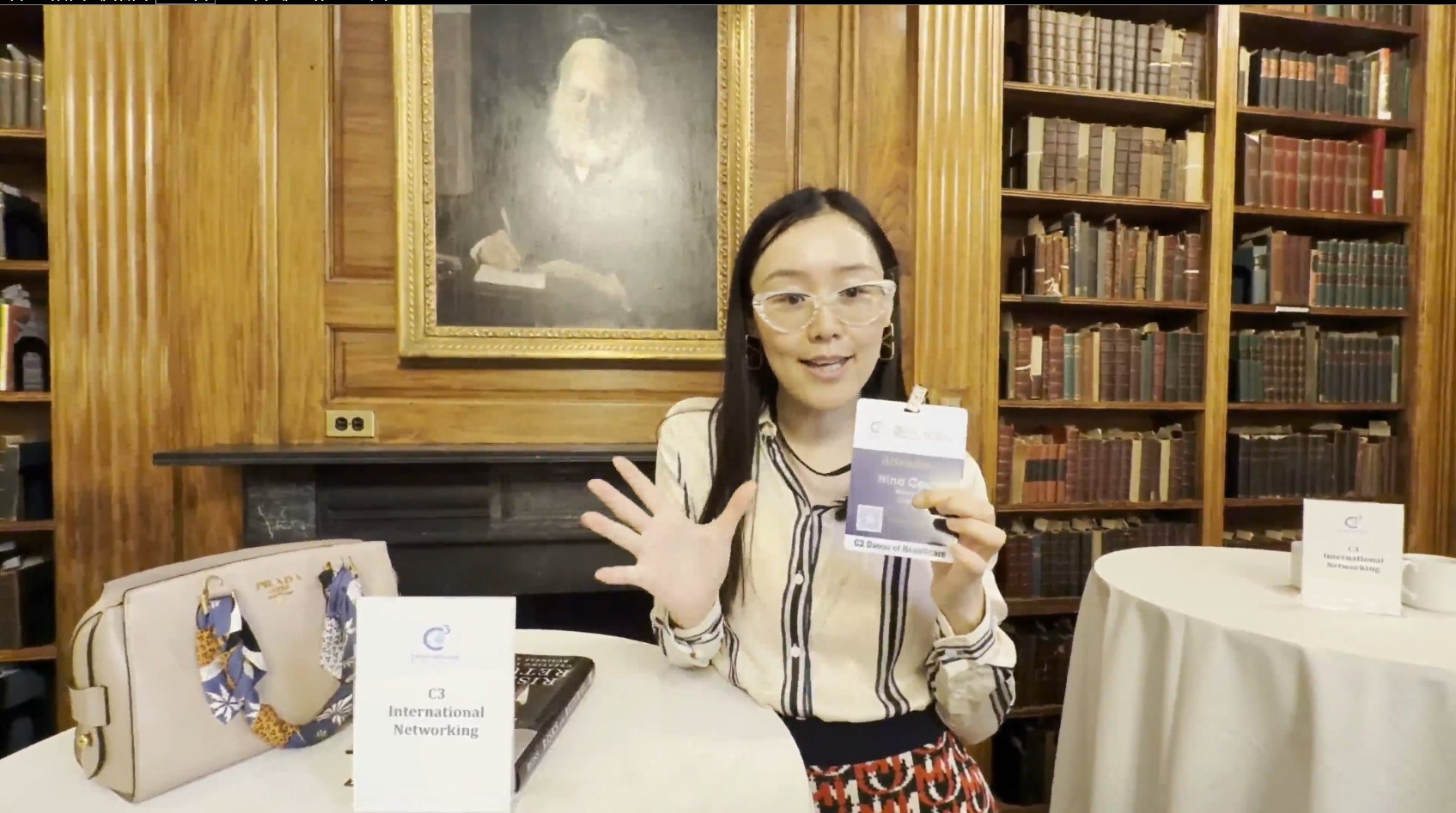
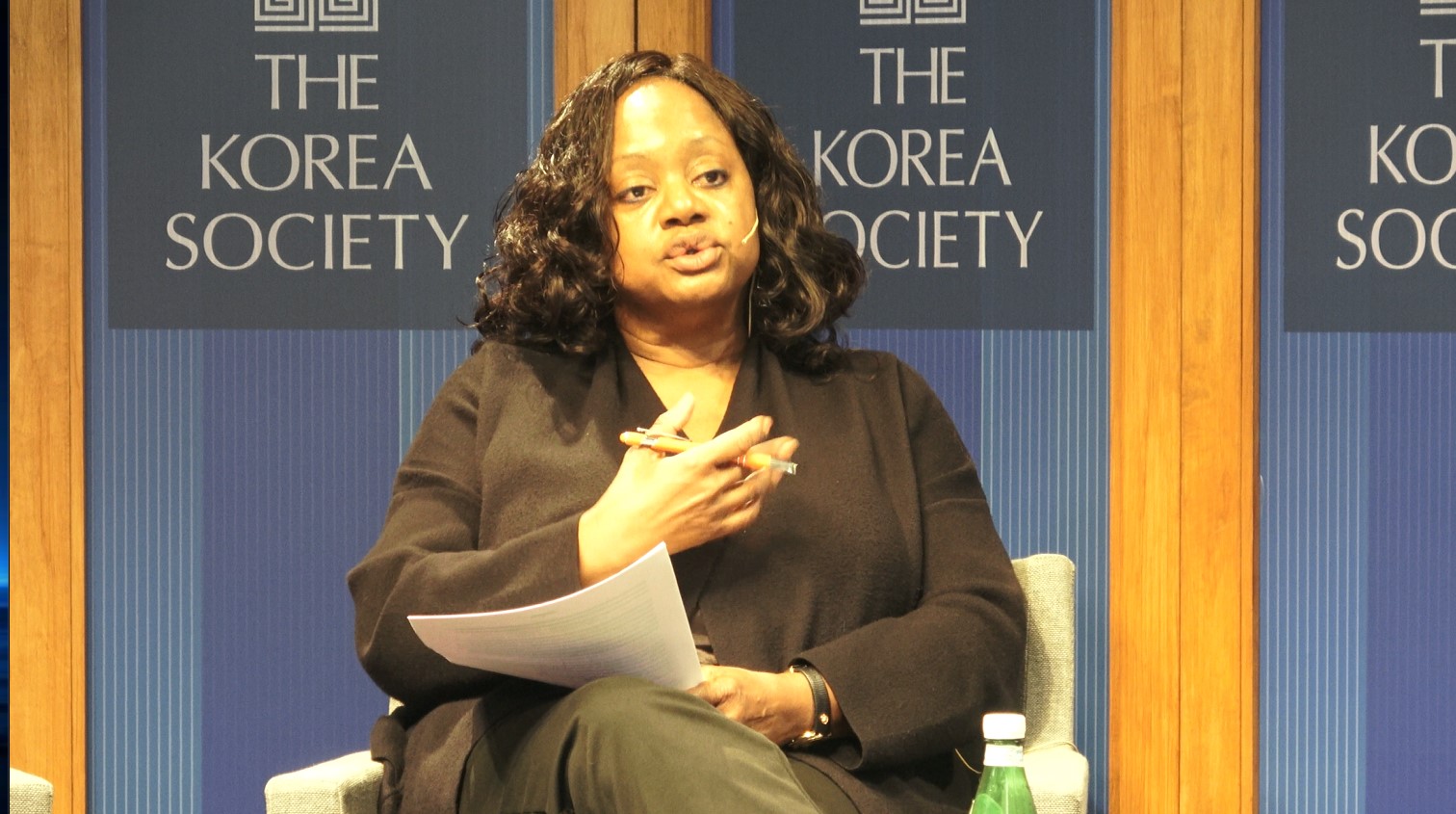
During an interview at the summit, Relizon Chair Hina Cao discussed the development of AI agents from a business operations perspective. She said that AI will take on more administrative, financial, operational, and customer communication responsibilities in the future, helping organizations reduce repetitive work and improve efficiency.
However, whether in healthcare services or business management, AI should not be evaluated solely by the degree of automation it provides. The accuracy of the system, the protection of data, responsibility for handling errors, and the ability of humans to intervene at any time are all important standards for determining whether an AI service can be trusted.


This year’s C³ Healthcare Summit brought together representatives from healthcare institutions, biotechnology companies, research organizations, and the artificial intelligence industry to exchange views on technology-driven medical innovation and the future of the healthcare sector. Celebrity Media observed at the event that AI is moving beyond conceptual discussion and entering the stage of practical application, while “trustworthy AI” is becoming a central concern throughout the healthcare industry.
Artificial intelligence can improve the efficiency of healthcare services, expand access to information and services, and help healthcare institutions manage large volumes of repetitive work. However, because healthcare directly affects human health and life, speed and convenience alone are not enough.
AI that is truly suitable for adoption by the healthcare industry must be capable of undergoing rigorous testing, clearly explaining its information sources and operational limitations, and supporting mechanisms for privacy protection, human review, continuous monitoring, and accountability. Only when technological innovation, professional standards, ethical responsibility, and patients’ rights are protected together can AI become a trusted support tool for healthcare professionals and provide meaningful, lasting benefits to patients.
Celebrity Media will continue to follow developments in artificial intelligence, medical innovation, and public health, documenting how emerging technologies can improve efficiency while contributing to healthcare services that are safe, reliable, and centered on people.