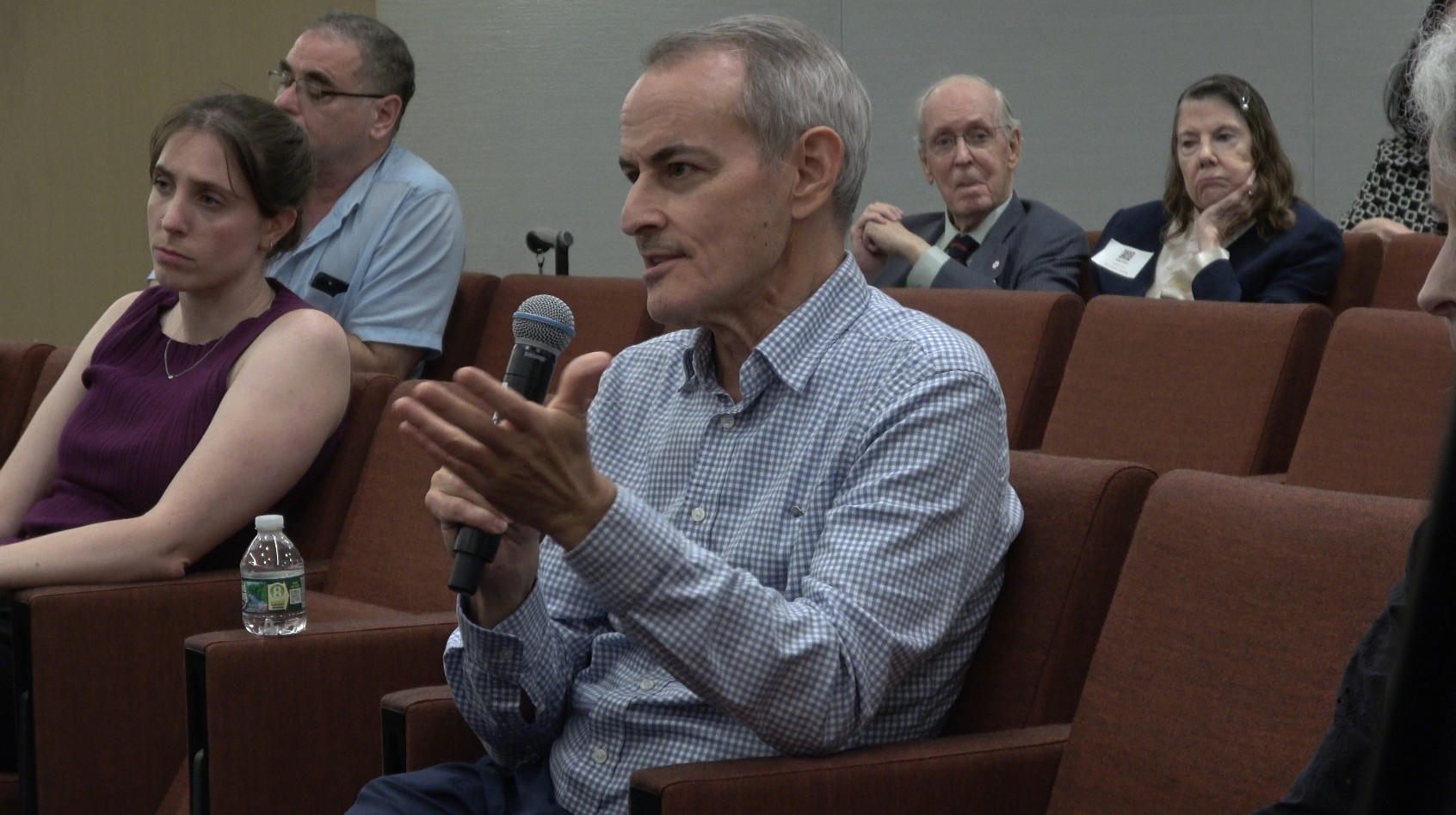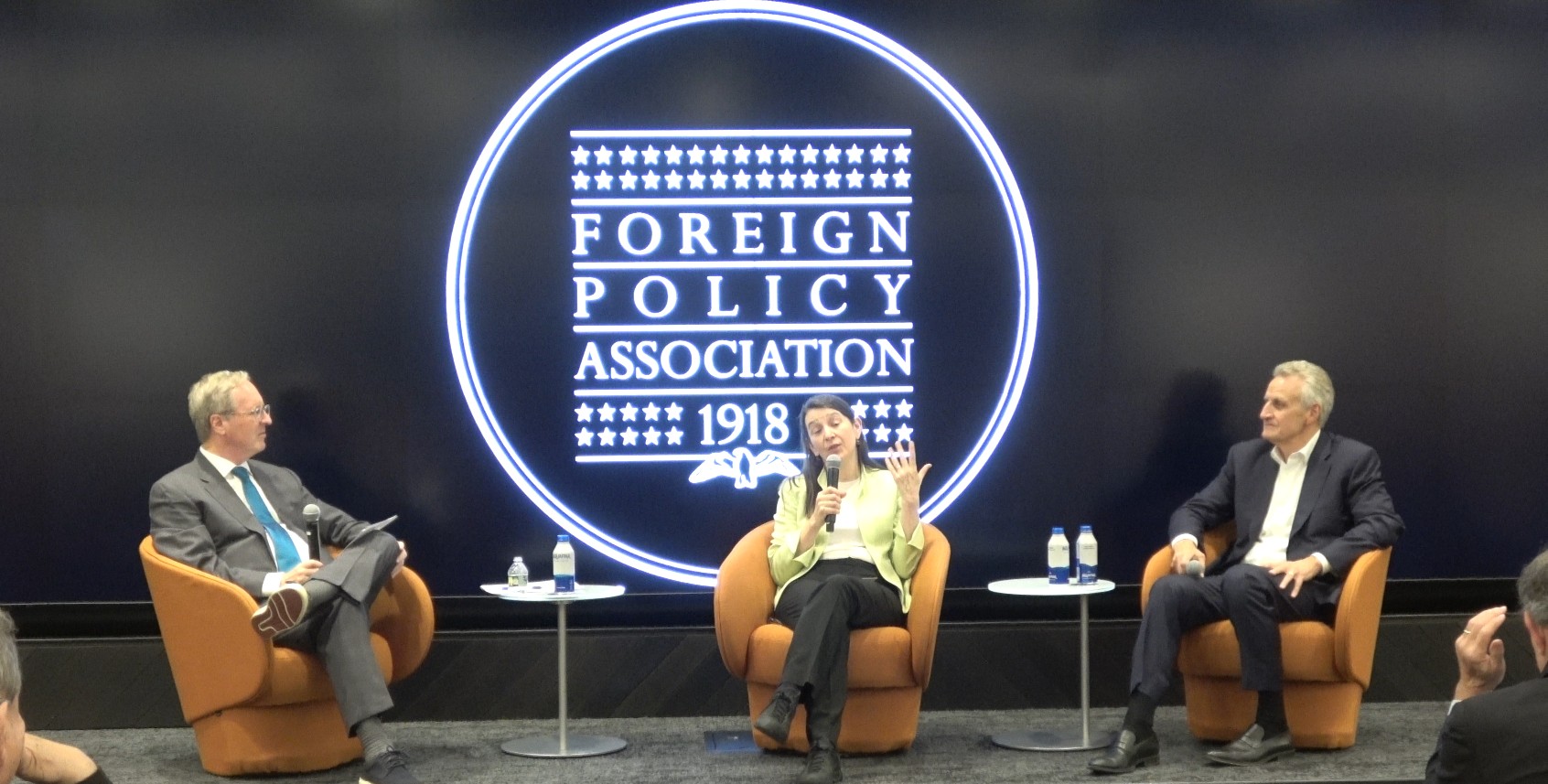
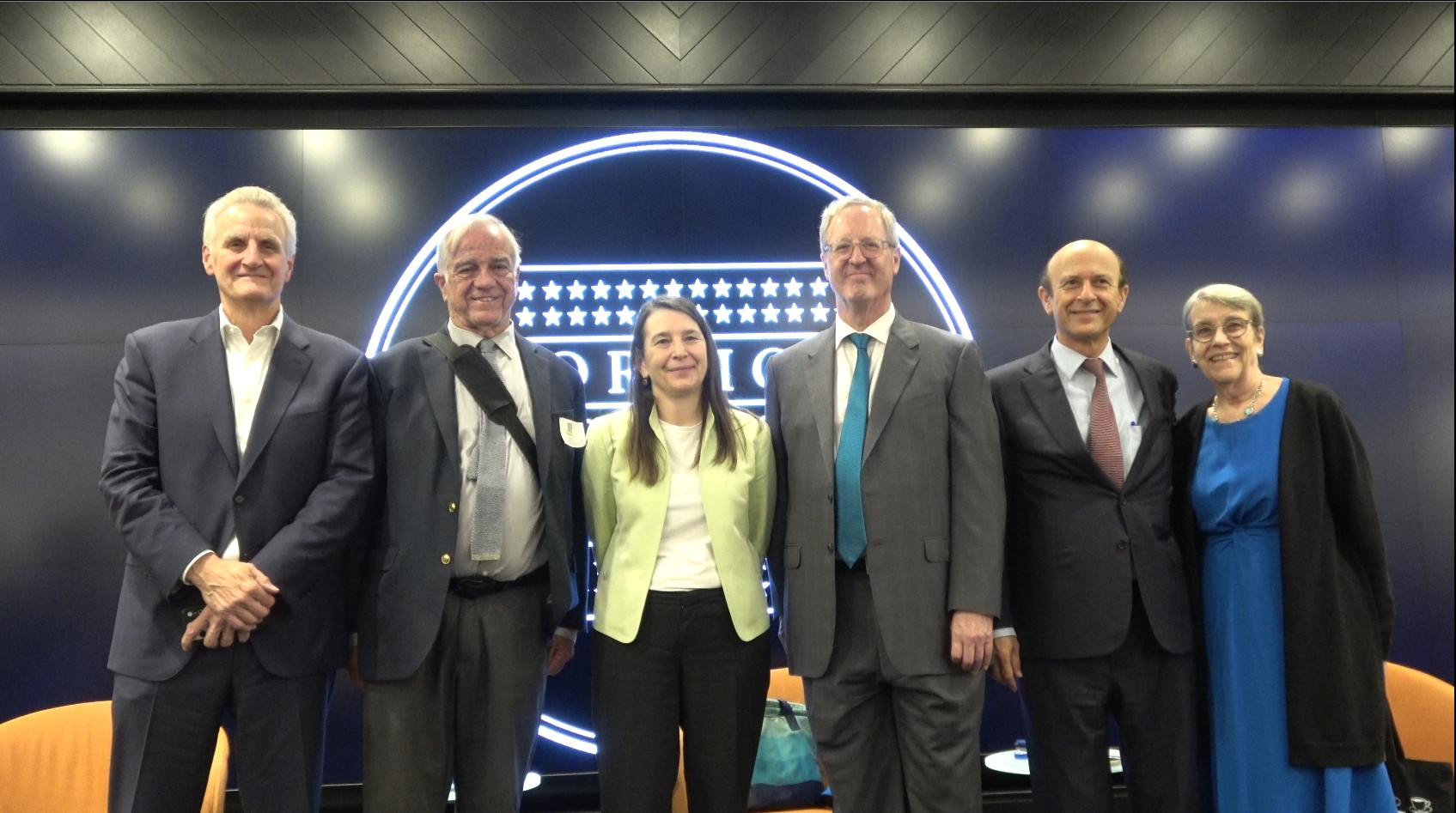
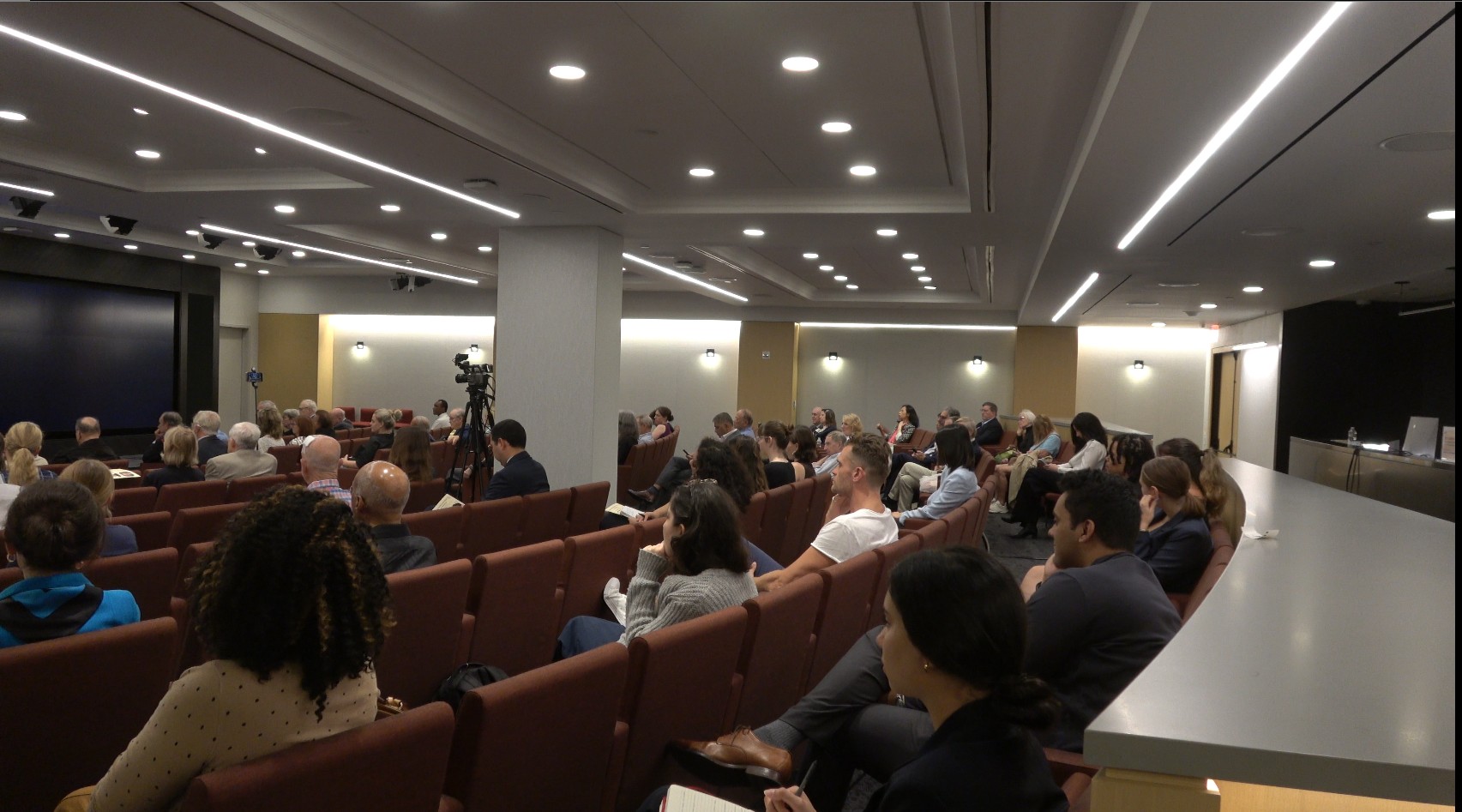
Celebrity Media New York reports: On the evening of September 17, 2026, the Foreign Policy Association (FPA) held its annual Reed Phillips III Distinguished Lecture on Foreign Policy and the Media at the PwC Auditorium in Manhattan, New York. Under the theme “The Critical Role of the News Media in Our Democracy,” the forum featured a conversation between Jeffrey M. Johnson, president of Hearst Newspapers, and Brooke Masters, U.S. managing editor of the Financial Times.
The discussion was moderated by Reed Phillips, managing partner of Oaklins DeSilva+Phillips. The panelists explored the public responsibilities of the news media, the challenges posed by artificial intelligence, the business models of traditional media organizations, and how news outlets can rebuild direct relationships with readers and their communities.

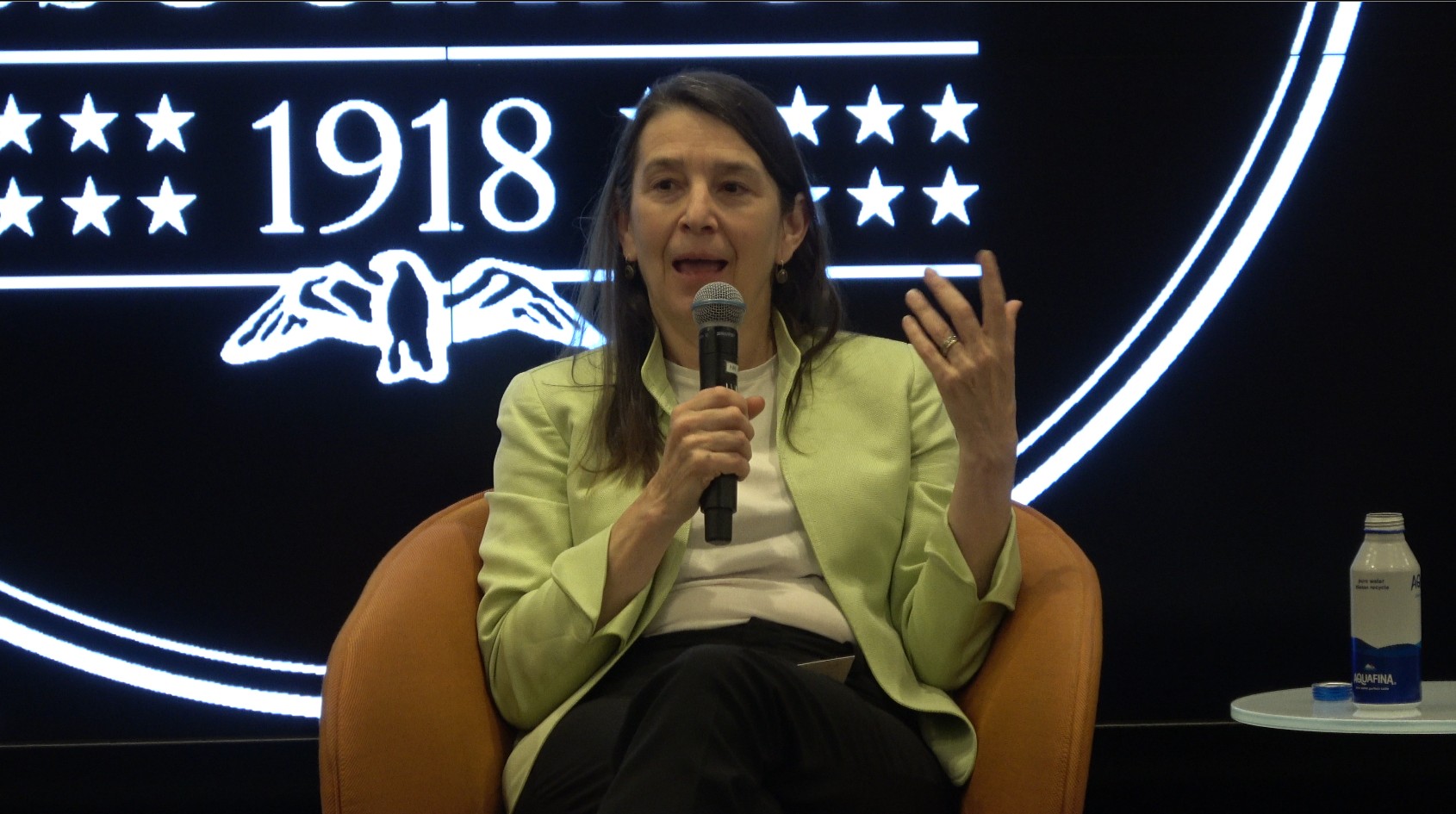

News Media Provides Not Only Information, but Also the Context Needed for Sound Judgment
At a time when information is spreading at unprecedented speed and social media and artificial intelligence platforms are increasingly shaping public understanding, the value of professional journalism extends far beyond reporting names, figures, and breaking news. Through interviews, investigations, and editorial judgment, professional news organizations provide the context, analysis, and meaning necessary to understand the facts.
Brooke Masters noted that data and news facts cannot exist independently of their context. Readers need more than isolated pieces of information; they need the explanations and insights that news organizations provide through professional expertise and editorial judgment. She explained that the Financial Times is using licensing agreements and other measures to regulate how artificial intelligence companies use its content and to protect the rights and interests of news organizations and journalists.
She also emphasized that media organizations must understand what they do best and offer readers content that cannot easily be replaced by other platforms. The Financial Times serves globally minded readers and places U.S. developments within an international context, with particular attention to their economic and business implications. A clear editorial identity and distinctive value are important reasons readers are willing to pay for a subscription.

Artificial Intelligence Is Reshaping News Distribution and Media Revenue
Artificial intelligence was a major focus of the forum. Both speakers observed that AI is rapidly changing how people access news. As search engines increasingly provide AI-generated summaries directly to users, fewer readers may click through to news websites to read the original reporting. This creates new pressure for media organizations that depend on search traffic and advertising revenue.
Jeffrey M. Johnson said this development is especially concerning for local news organizations in the United States. The country has lost many local newspapers over the past several decades, and if referral traffic from search platforms continues to decline, financially vulnerable local outlets could face even greater challenges.
He referred to the industry concept of “Google Zero”—the possibility that media websites may eventually receive little or no traffic from search engines. To prepare for this prospect, news organizations must adjust their strategies, strengthen their subscription businesses, and build direct relationships with readers through newsletters, community events, and other channels, thereby reducing their dependence on major technology platforms.


Artificial Intelligence Should Assist Journalists, Not Replace Editorial Judgment
The panelists did not portray artificial intelligence simply as a threat. Johnson explained that Hearst Newspapers has developed tools that help reporters review lengthy recordings of local government meetings and quickly identify segments that may be newsworthy. Journalists then determine whether those segments merit further reporting.
He said that, with clear standards and appropriate safeguards in place, artificial intelligence can handle time-consuming and repetitive tasks and improve newsroom efficiency. However, decisions about whether a story is important or accurate—and how it should be presented—must still be made by journalists and editors.
The speakers also noted that news organizations currently apply different standards to content generated or assisted by artificial intelligence. The journalism industry must therefore continue examining questions involving transparency, attribution, fact-checking, and editorial responsibility. Technology can improve efficiency, but it cannot replace the judgment, accountability, and credibility required in professional journalism.
Moving from Dependence on Platform Traffic to Direct Reader Relationships
In discussing the long-term sustainability of news organizations, both speakers emphasized the importance of subscription models and direct relationships with readers. Media organizations must clearly communicate the distinctive value they offer and earn long-term support through consistent, high-quality journalism.
Masters described how the Financial Times combines digital subscriptions with a weekend print edition. Its digital platforms give readers in different locations timely access to news, while the weekend print edition and lifestyle content serve readers who prefer to slow down and engage in more in-depth reading. This combination of digital access and print experience continues to offer opportunities for growth.
Live events are another important way for media organizations to connect with the public. Johnson noted that local newspapers are not only providers of news but can also serve as community conveners. Through public forums, conversations with editors, and community activities, news organizations can reconnect journalists and readers with the civic life of their cities.
Masters said that professional forums organized by the Financial Times provide more than networking and discussion opportunities; they also serve a journalistic function. By bringing together decision-makers and professionals from different fields, media organizations can generate new reporting and help the public understand perspectives and trends that might otherwise remain inaccessible.



Democracy Requires Credible, Professional Journalism
The forum highlighted the growing social responsibility of the news media as misinformation, political polarization, the power of technology platforms, and artificial intelligence reshape the public information environment.
The effective functioning of democracy depends on the public’s ability to access verified facts, understand different perspectives, and make decisions based on sufficient information. Professional news organizations must continue to uphold fact-checking, editorial independence, and accountability while developing sustainable business models capable of supporting high-quality journalism over the long term.
Technology is changing how news is produced and distributed, but the essential mission of journalism remains unchanged: to verify facts, explain complex issues, hold public power accountable, and help people understand a rapidly changing world.
Founded in 1918, the Foreign Policy Association is a nonpartisan, nonprofit organization dedicated to international affairs education. Through public forums, publications, and educational programs, it promotes greater public understanding of U.S. foreign policy and global affairs.