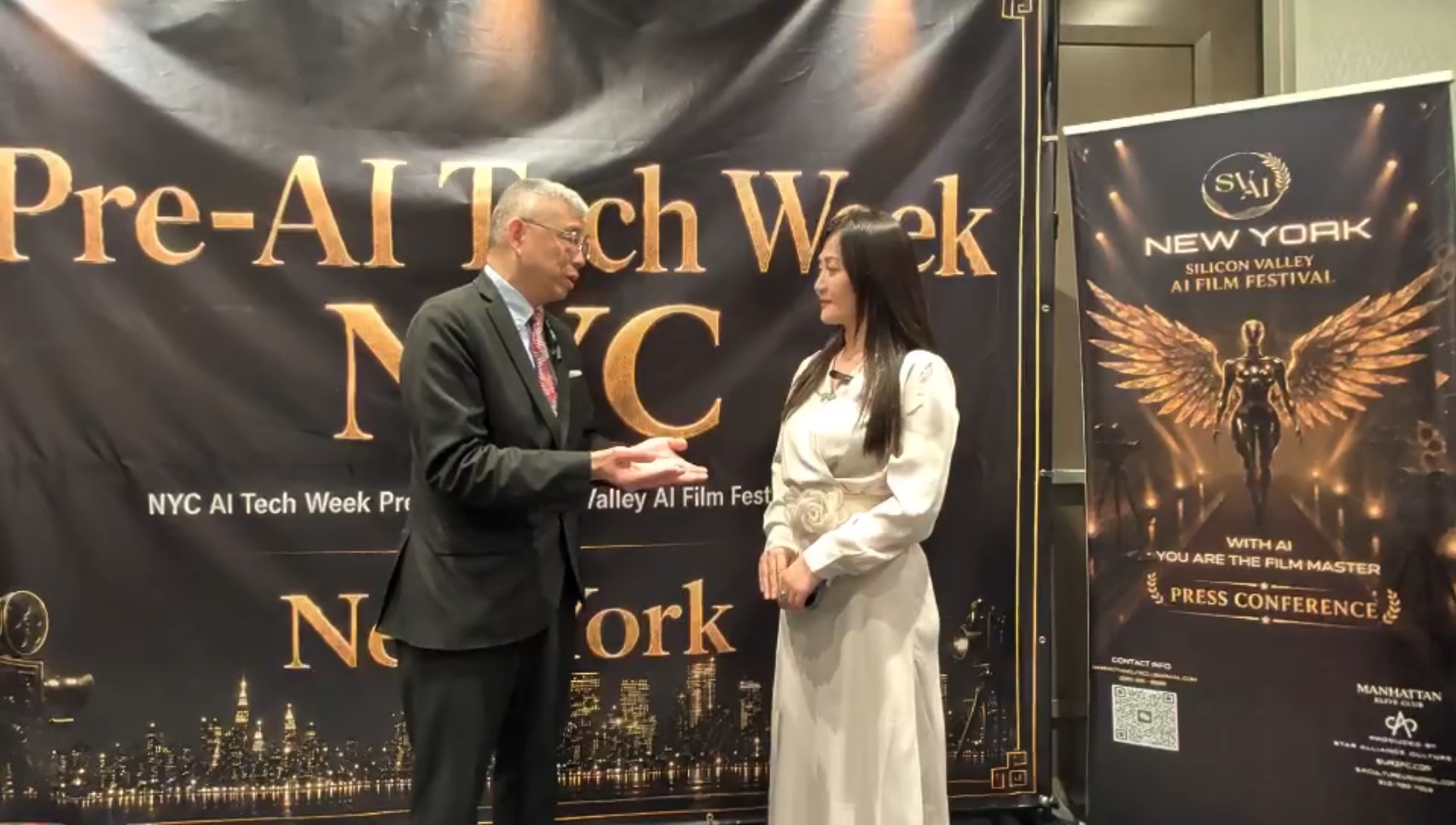
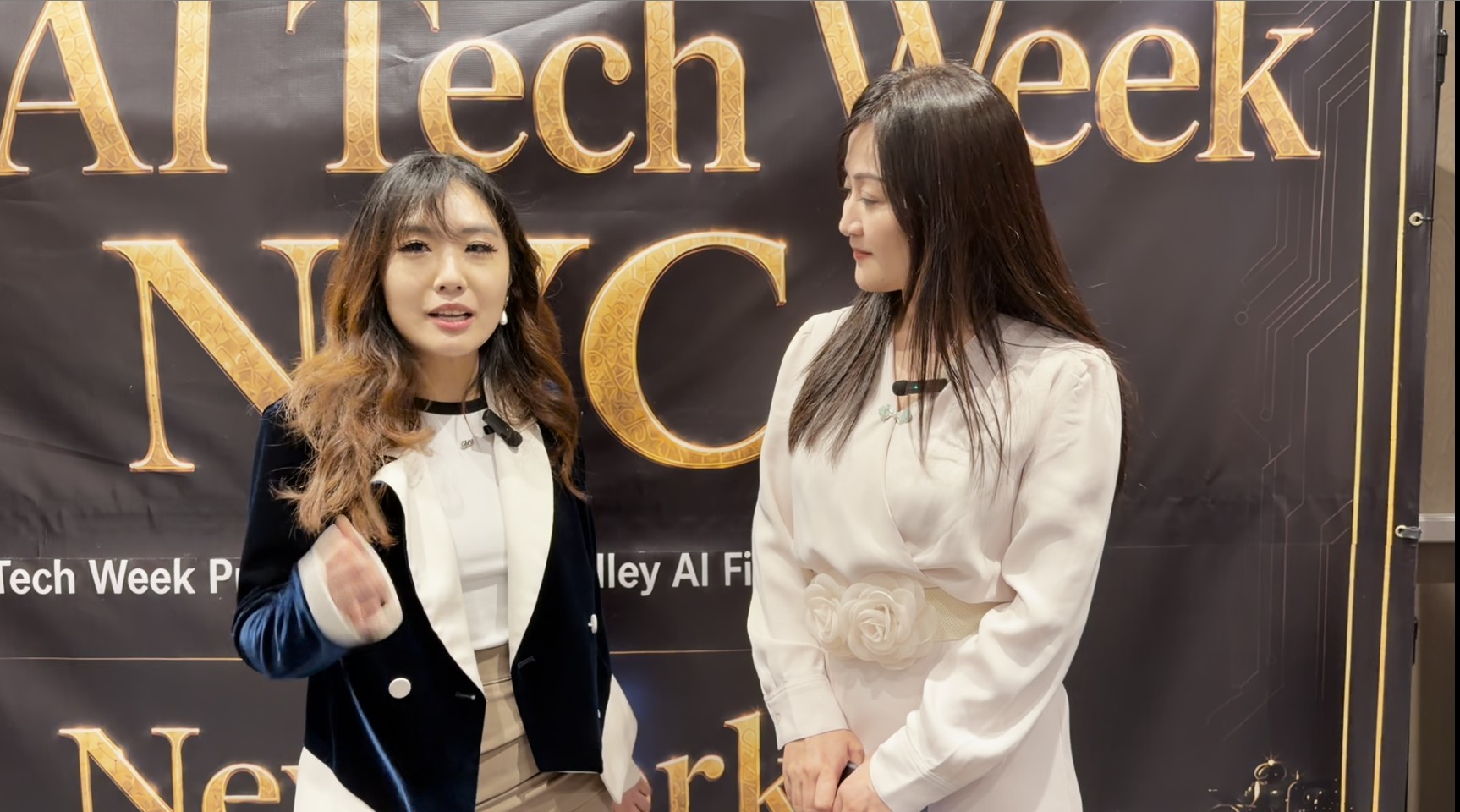

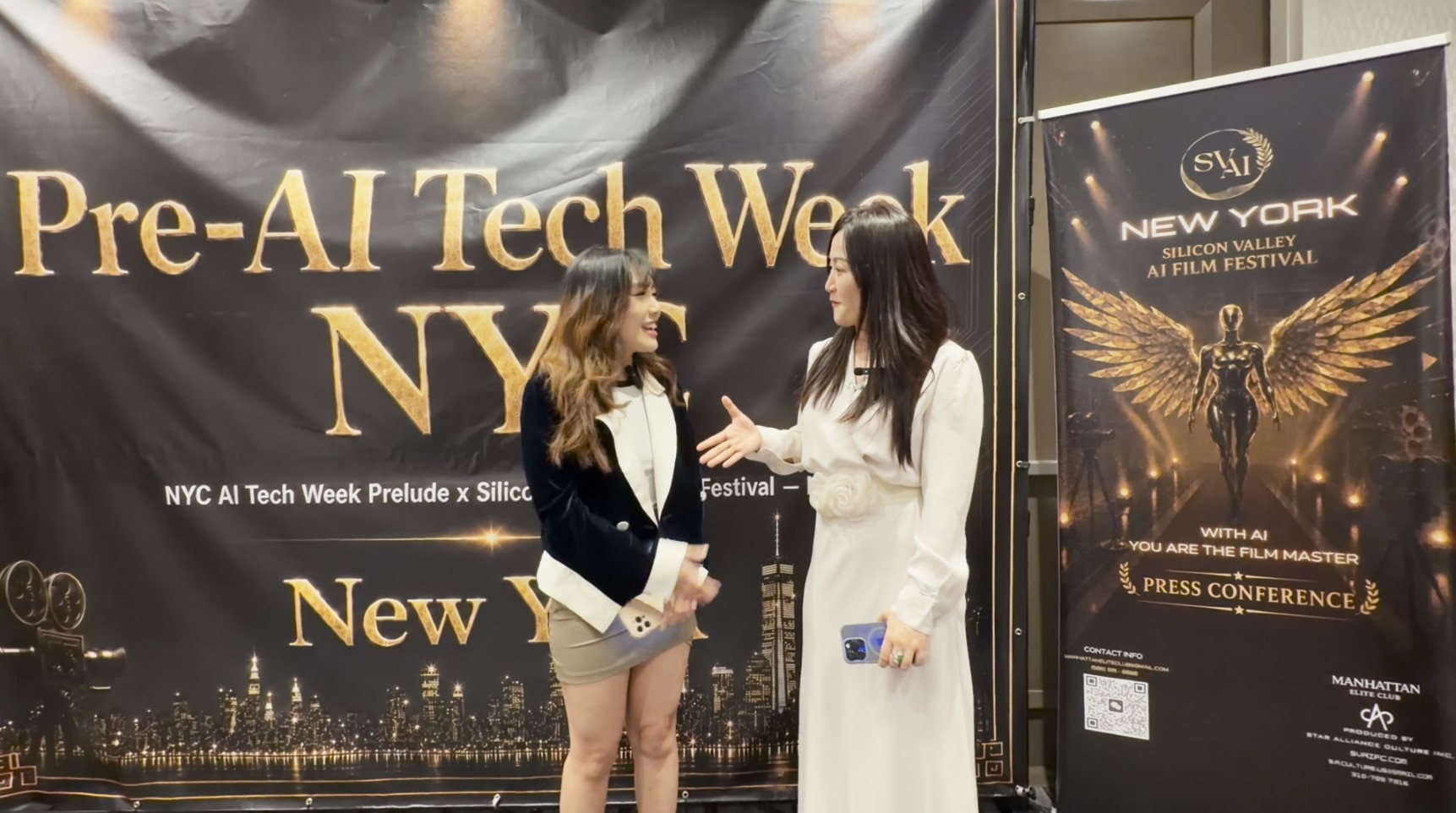
Event partner Ran, Founder of Attensity Marketing, told Celebrity Media that the Pre-AI Tech Week NYC event was organized by Manhattan Elite Club as a warm-up gathering ahead of New York AI Tech Week. She explained that as artificial intelligence has become one of the most influential topics in technology today,
New York Tech Week is expected to attract entrepreneurs, investors, innovators, and industry leaders from around the world. The purpose of hosting this pre-event was to create opportunities for participants to connect, exchange ideas, and explore potential collaborations before the larger AI-focused activities begin. As a partner of the event, Attensity Marketing sought to bring together talented individuals from diverse industries and foster meaningful networking opportunities. Lane noted that nearly 200 people had registered for the event, demonstrating the growing interest and enthusiasm surrounding AI within New York’s technology and startup communities.
Speaking about the host organization, Ran expressed special appreciation to Manhattan Elite Club for providing the venue and platform for the gathering. Located in the heart of Manhattan, the club serves as a hub for social, technology, entrepreneurship, and investment-related events. It regularly brings together founders, investors, startup leaders, and professionals from various sectors to encourage communication, collaboration, and business development.
Ran explained that while the Manhattan Elite Club brand itself was launched only about six months ago, the venue has existed for more than a decade. Following recent renovations and repositioning, the club has quickly gained recognition within New York’s entrepreneurial and innovation ecosystem.
Today, it is emerging as an important platform connecting professionals from different industries and backgrounds. According to Ran, Pre-AI Tech Week NYC is one of the club’s largest events of the year and serves as an important lead-in to New York AI Tech Week. By creating an open environment for networking and idea-sharing, the organizers hope to support innovation, strengthen community engagement, and help more people benefit from the opportunities created by the rapidly evolving AI era.
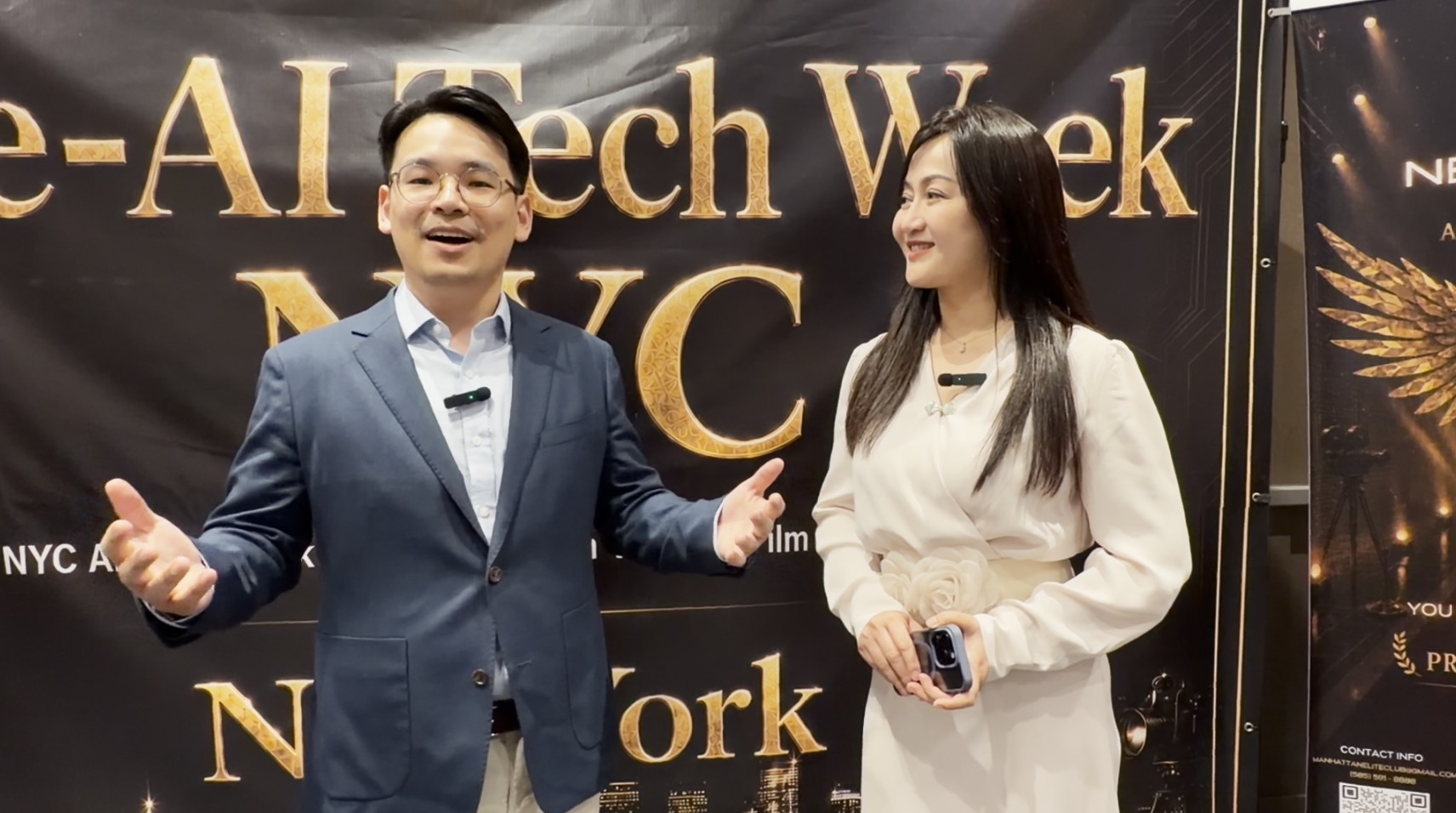
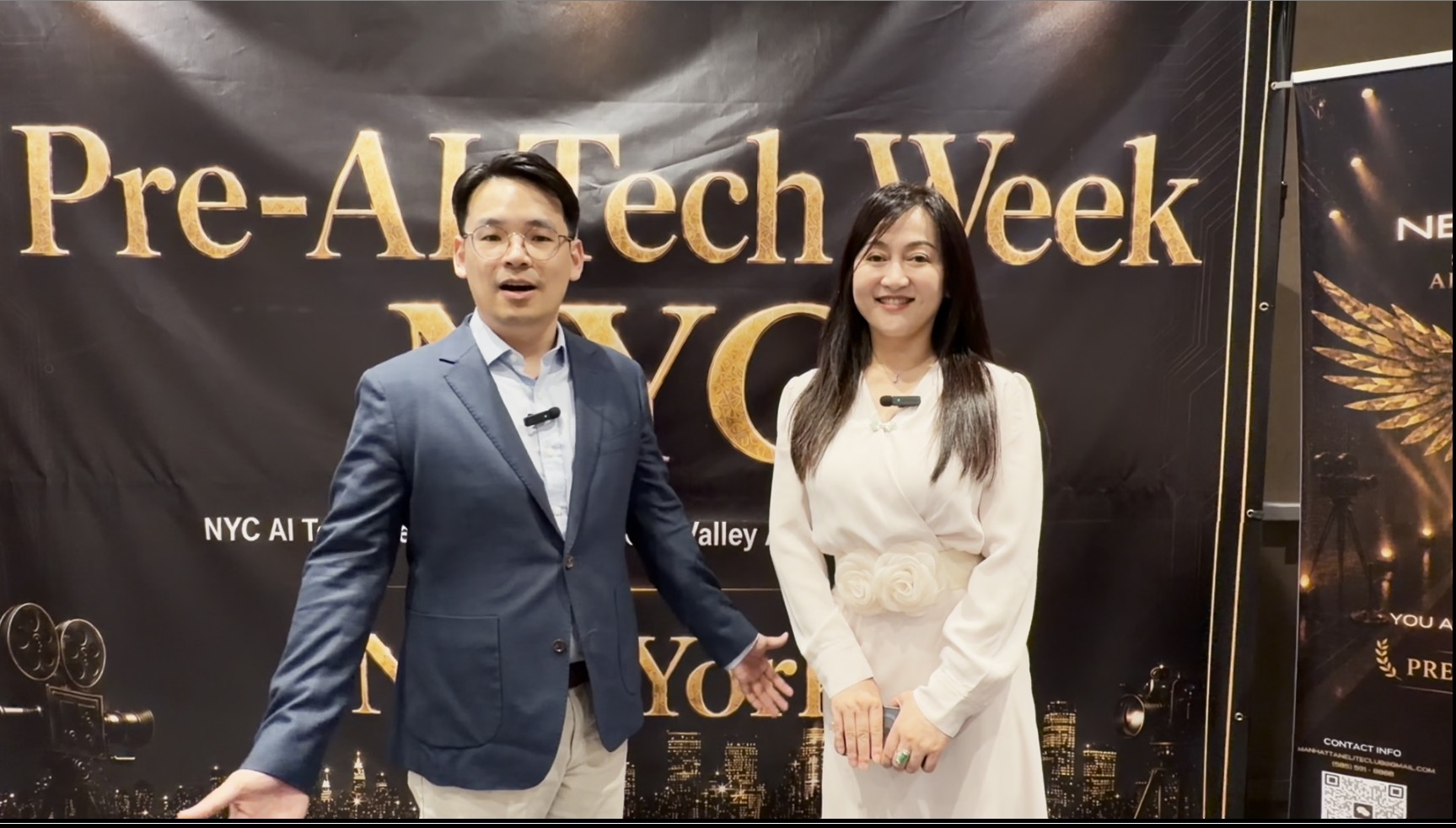
One of the event organizers, Jesse Qin, emphasized that artificial intelligence is rapidly becoming part of everyday life and is reshaping nearly every industry. He explained that the purpose of hosting a pre-event gathering was to provide a platform for entrepreneurs, creators, and technology enthusiasts to build connections before the larger AI Tech Week activities began. According to Jesse, AI is empowering a new generation of young professionals by providing tools that can help turn ideas and ambitions into reality. He believes that the coming years will belong to those who can effectively combine creativity, entrepreneurship, and AI technology.
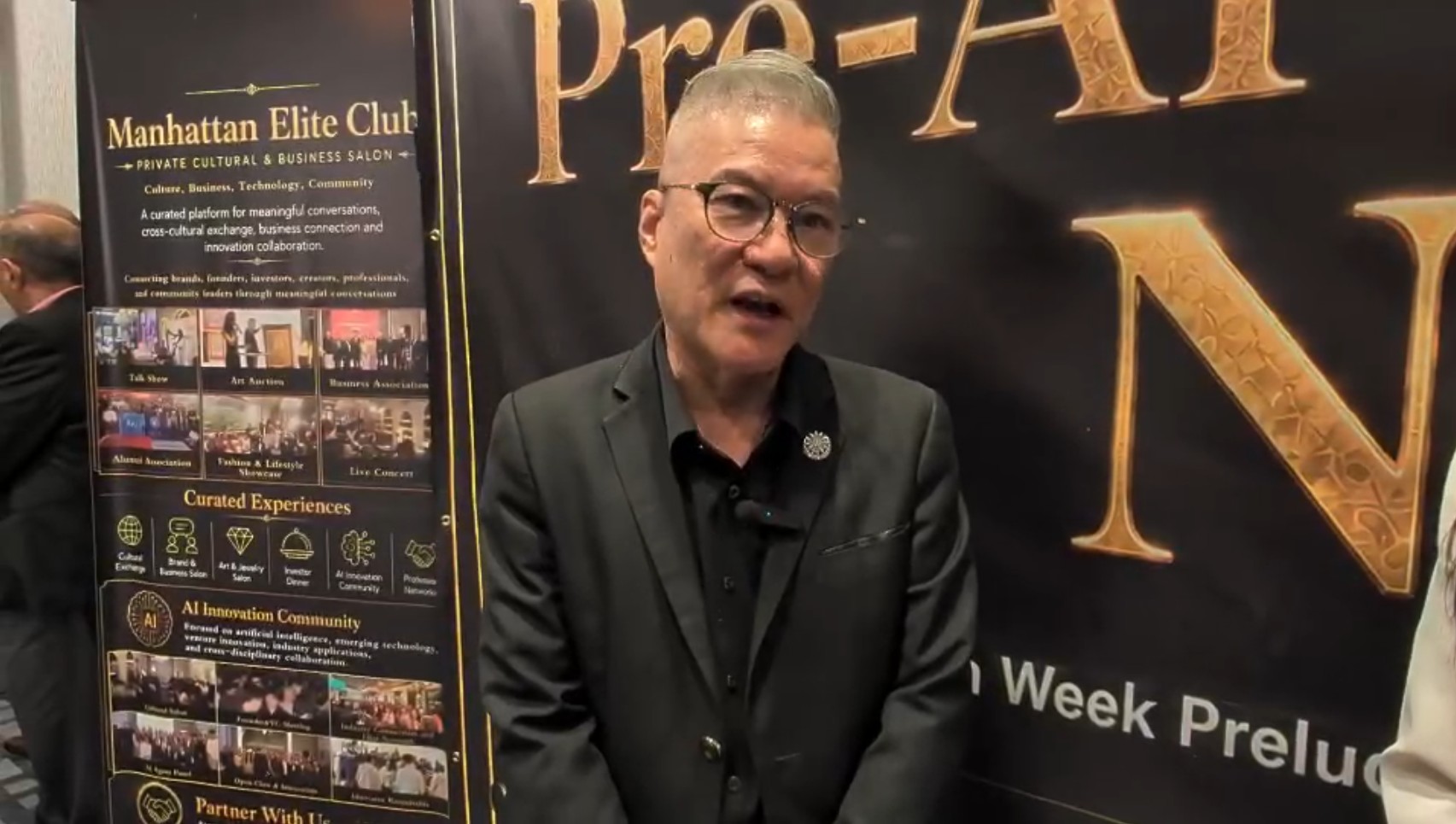
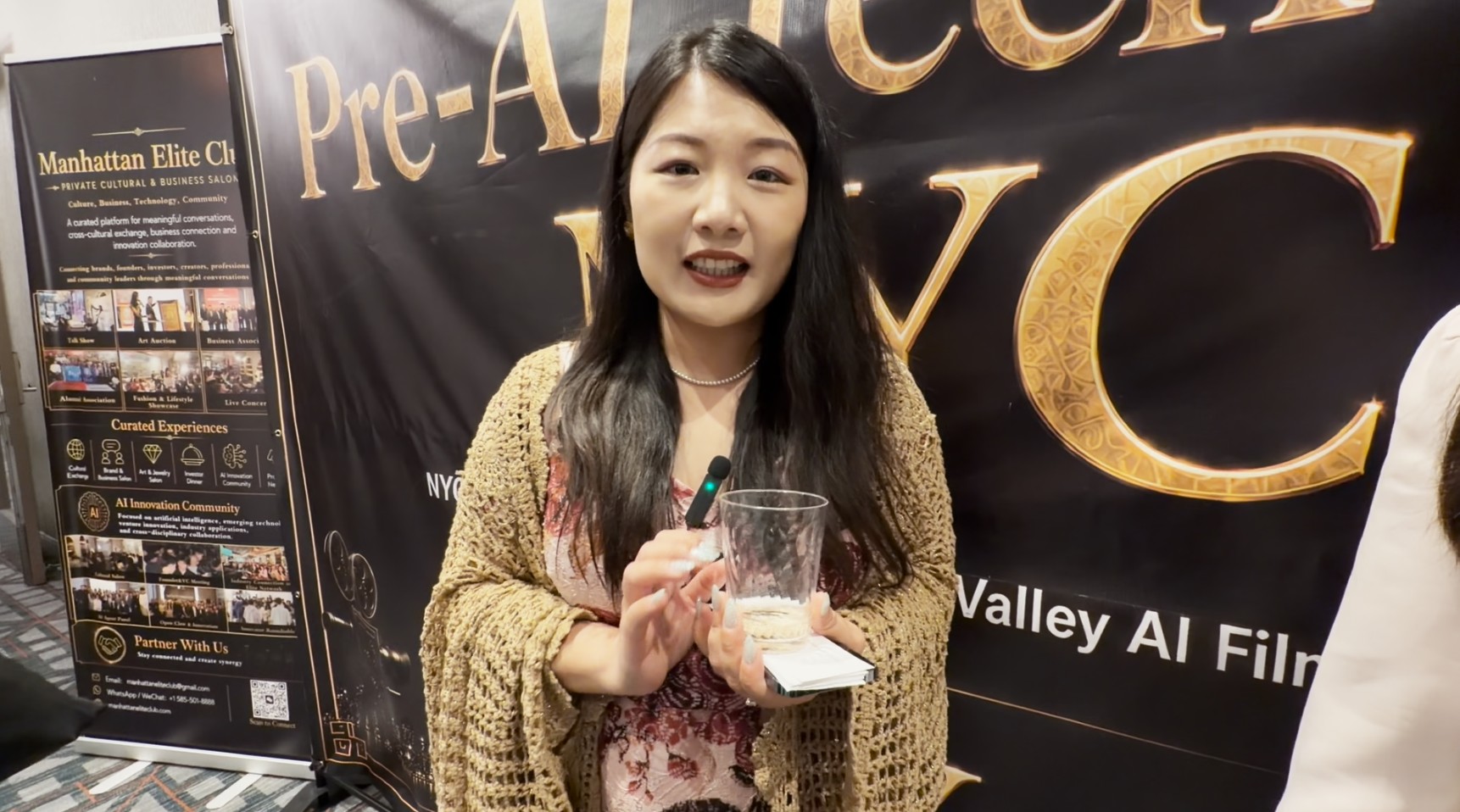
The intersection of artificial intelligence and the music industry was another key topic discussed during the event. Representatives from an AI-powered music company described how AI is creating new possibilities for music production. They outlined three emerging approaches: traditional human-created music, collaborative human-AI music production, and fully AI-generated compositions. While AI can dramatically increase efficiency and lower barriers to entry, participants also acknowledged concerns about preserving artistic originality and human creativity. The discussion highlighted the growing need to find a balance between technological innovation and artistic expression.
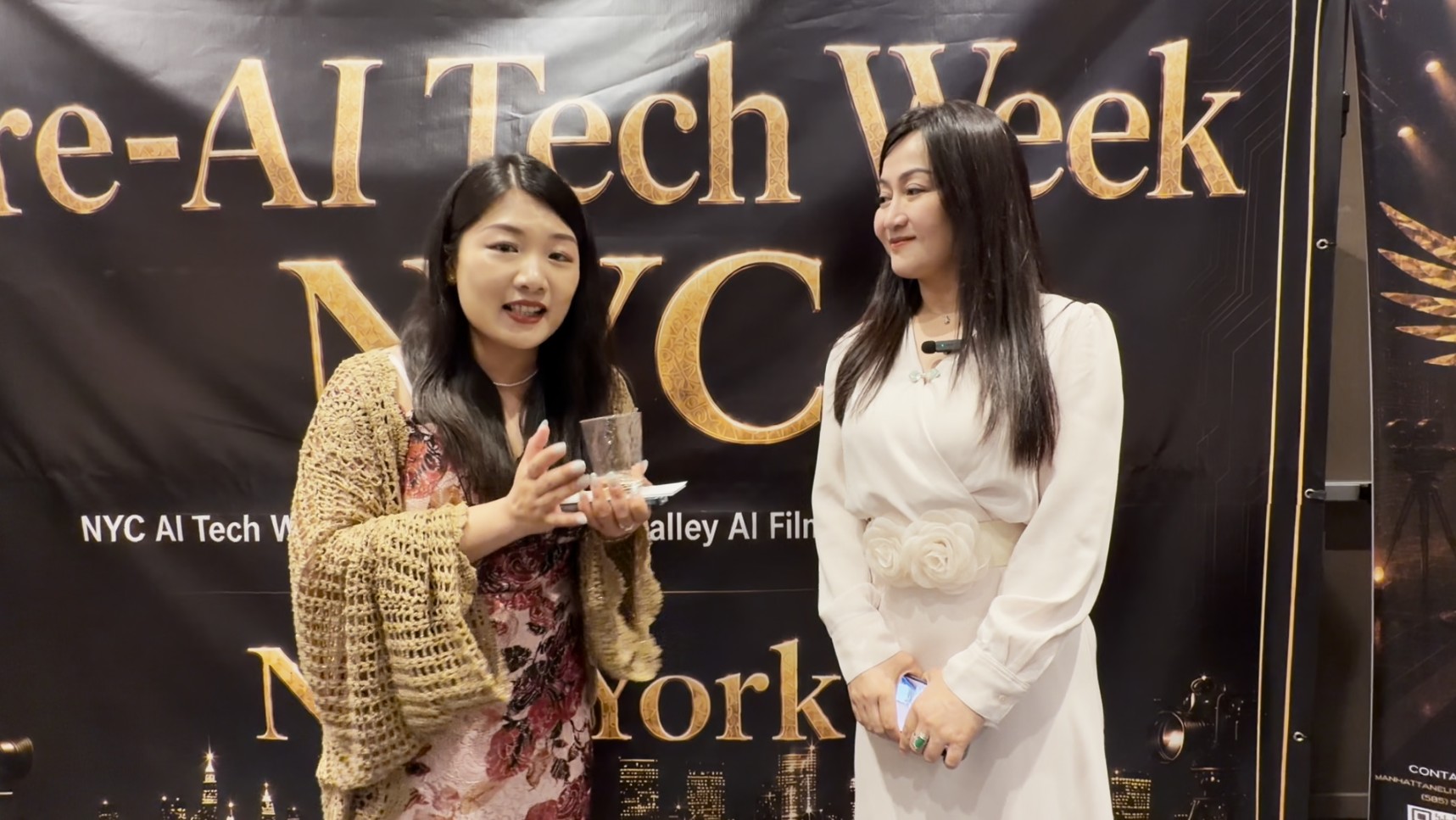
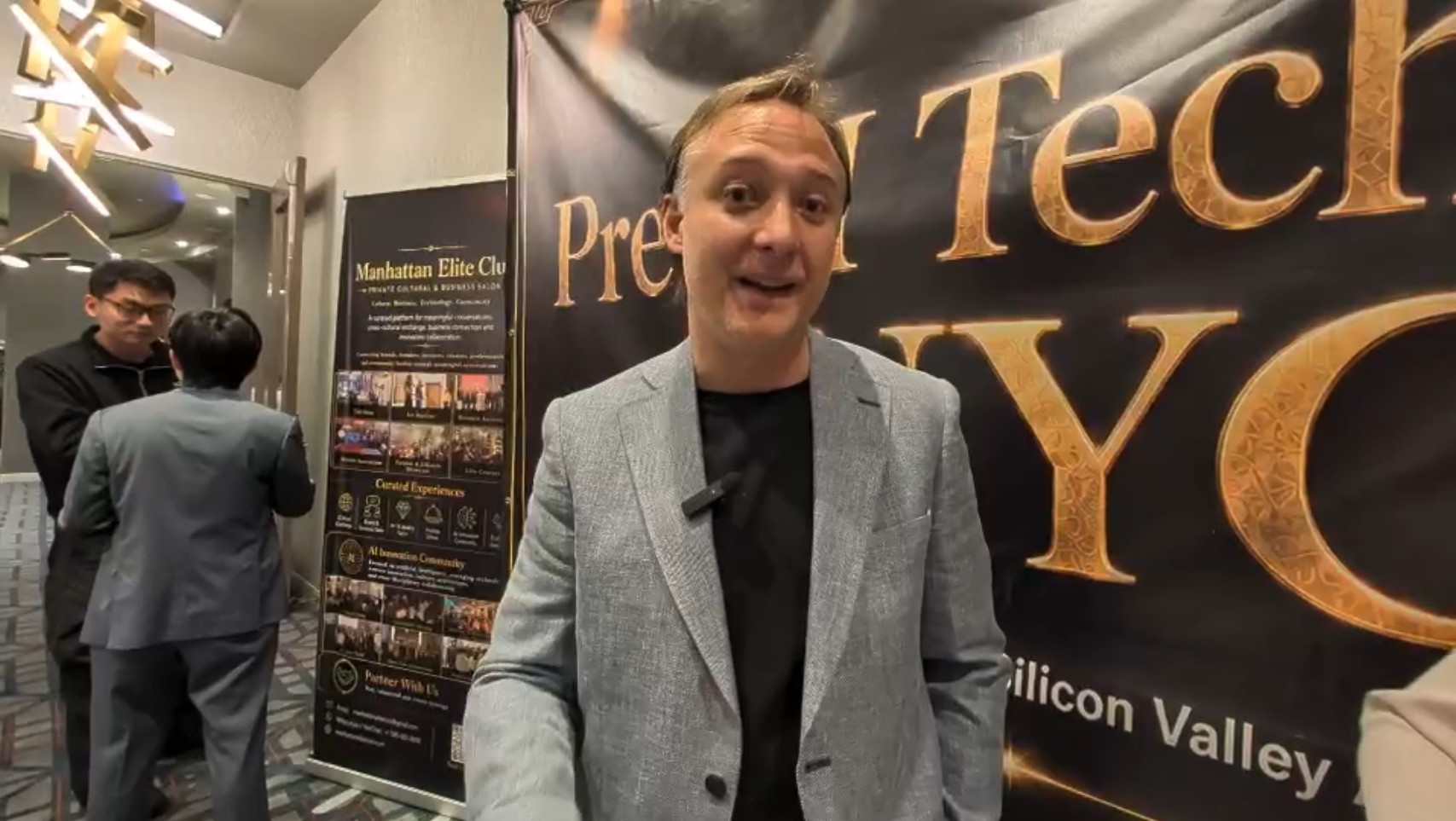
Healthcare applications of AI also attracted significant attention. Pablo, founder of a health technology startup, shared how artificial intelligence is being used to support women's health through personalized applications focused on areas such as menopause, postpartum recovery, and chronic health conditions. By allowing users to track symptoms, maintain health journals, and receive customized guidance, AI is helping provide scalable support to thousands of users worldwide. His experience demonstrates how AI can move beyond productivity tools and become a meaningful resource for improving quality of life.
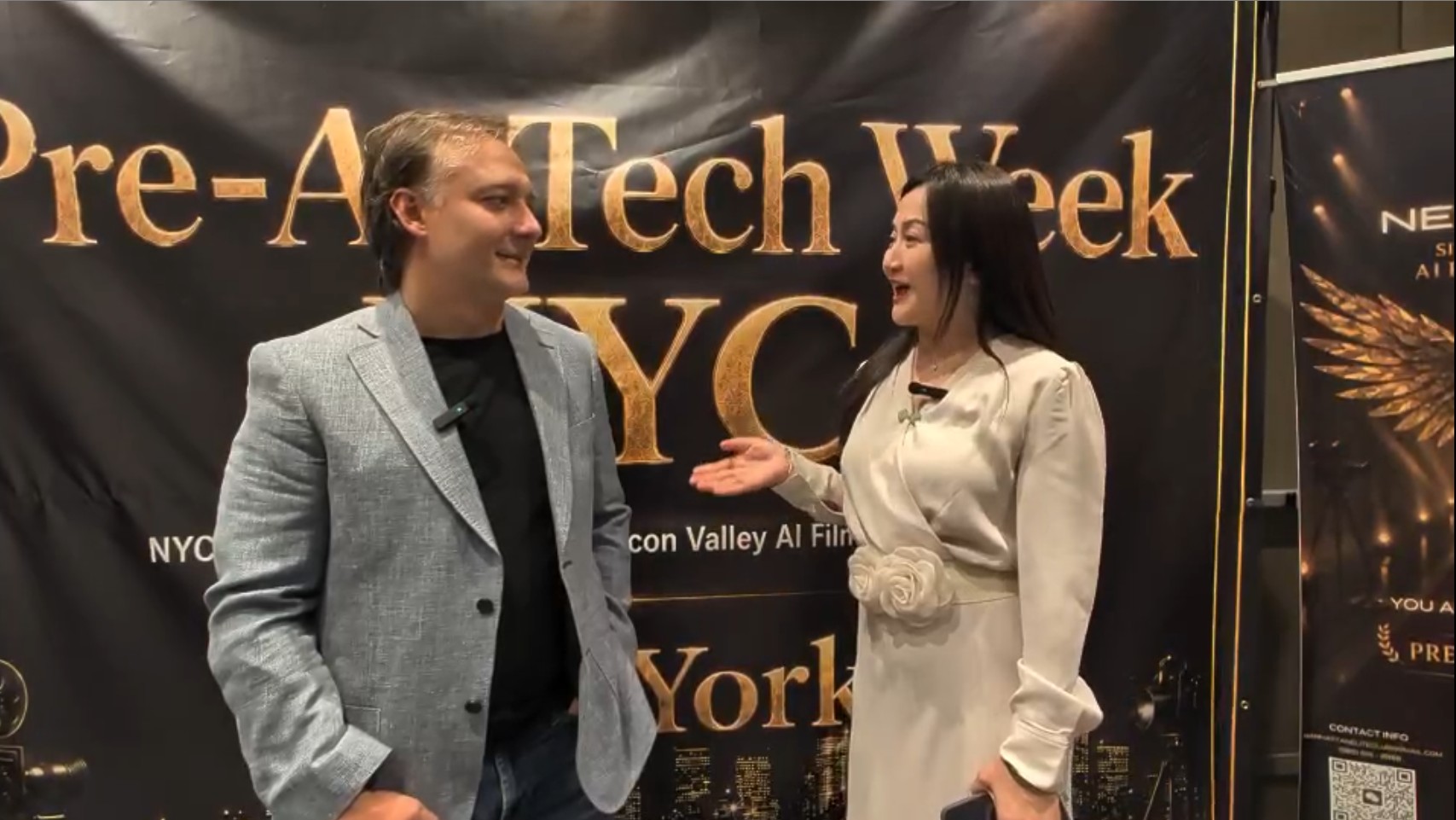
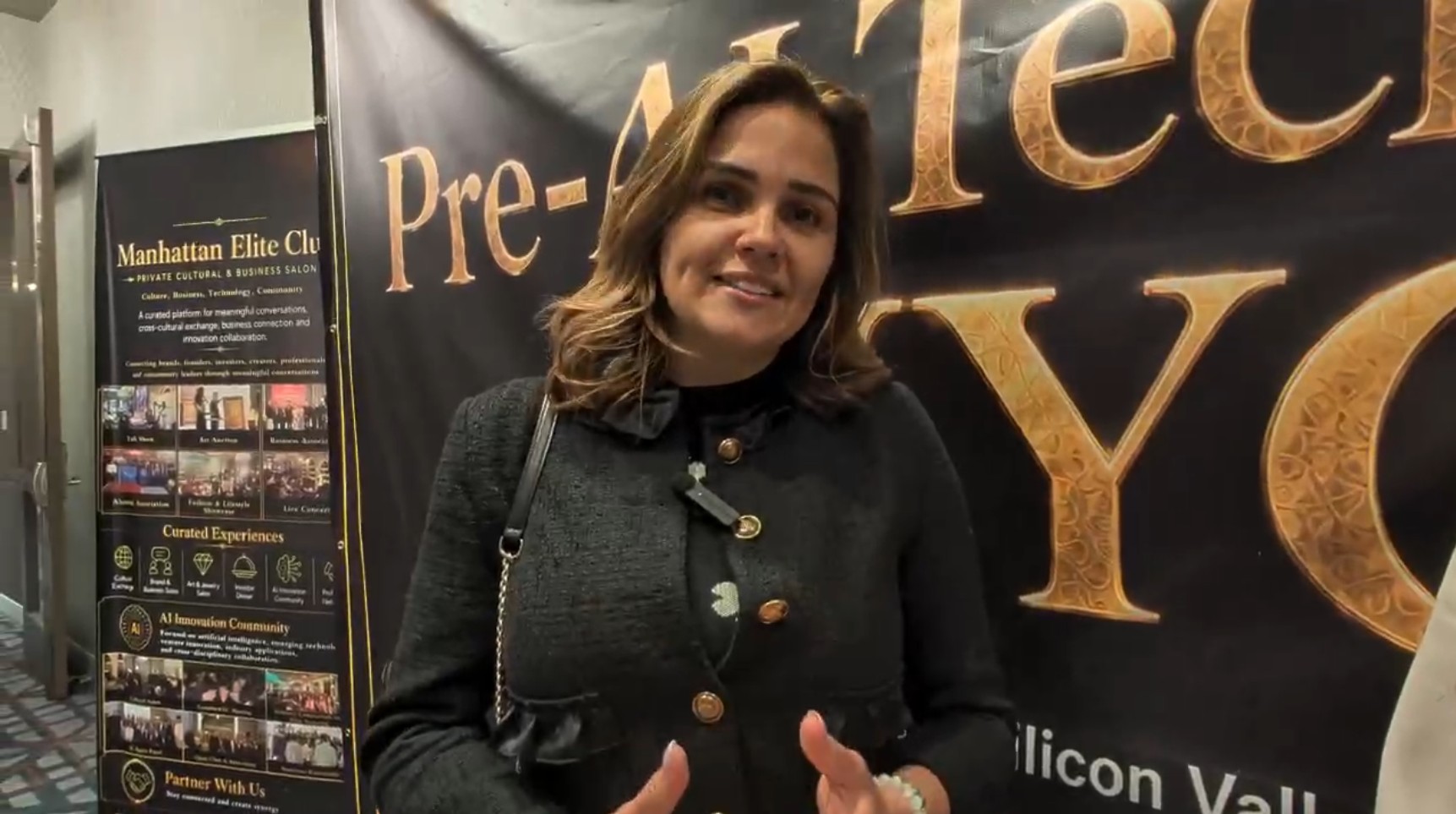
Another startup founder, Juliana of Hearly.ai, introduced a concept designed to improve real-world human connections. Her company is developing technology that helps people better understand the individuals around them before conversations and networking interactions begin. Rather than replacing human relationships, her vision is to use AI to facilitate more intentional and meaningful connections within communities. Her perspective reflected a growing movement within the AI industry that seeks to place human interaction and social well-being at the center of technological development.
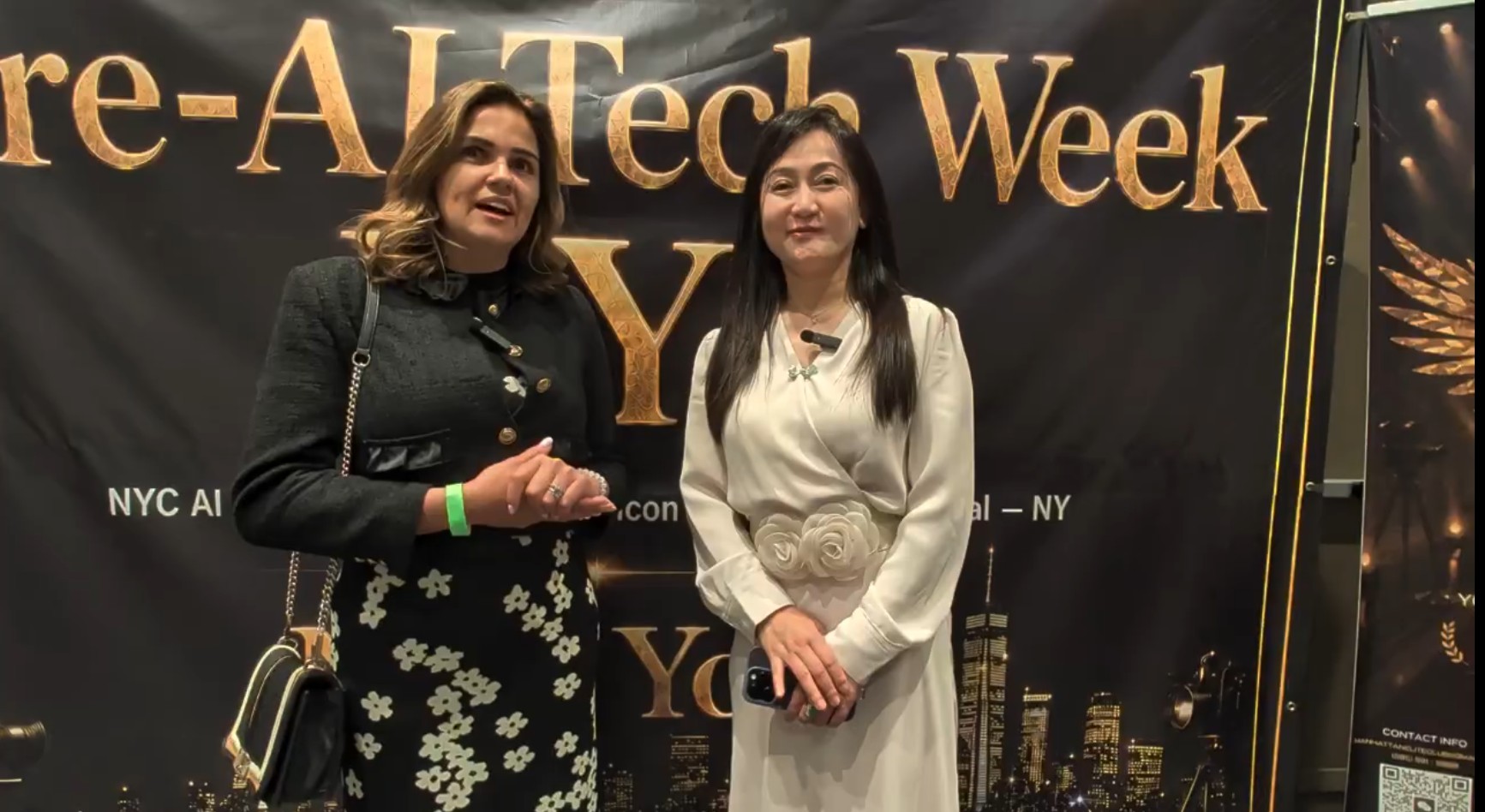
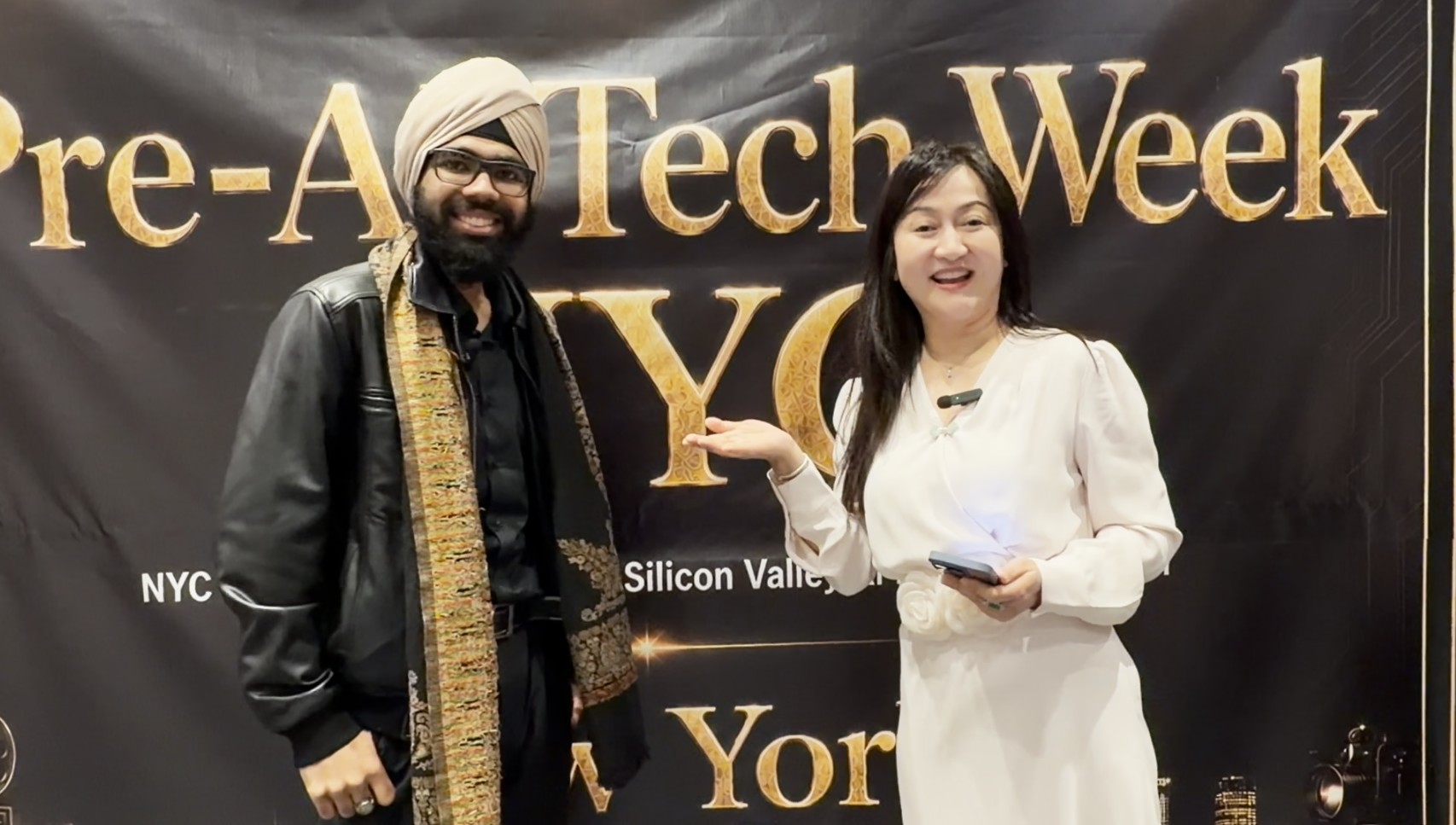
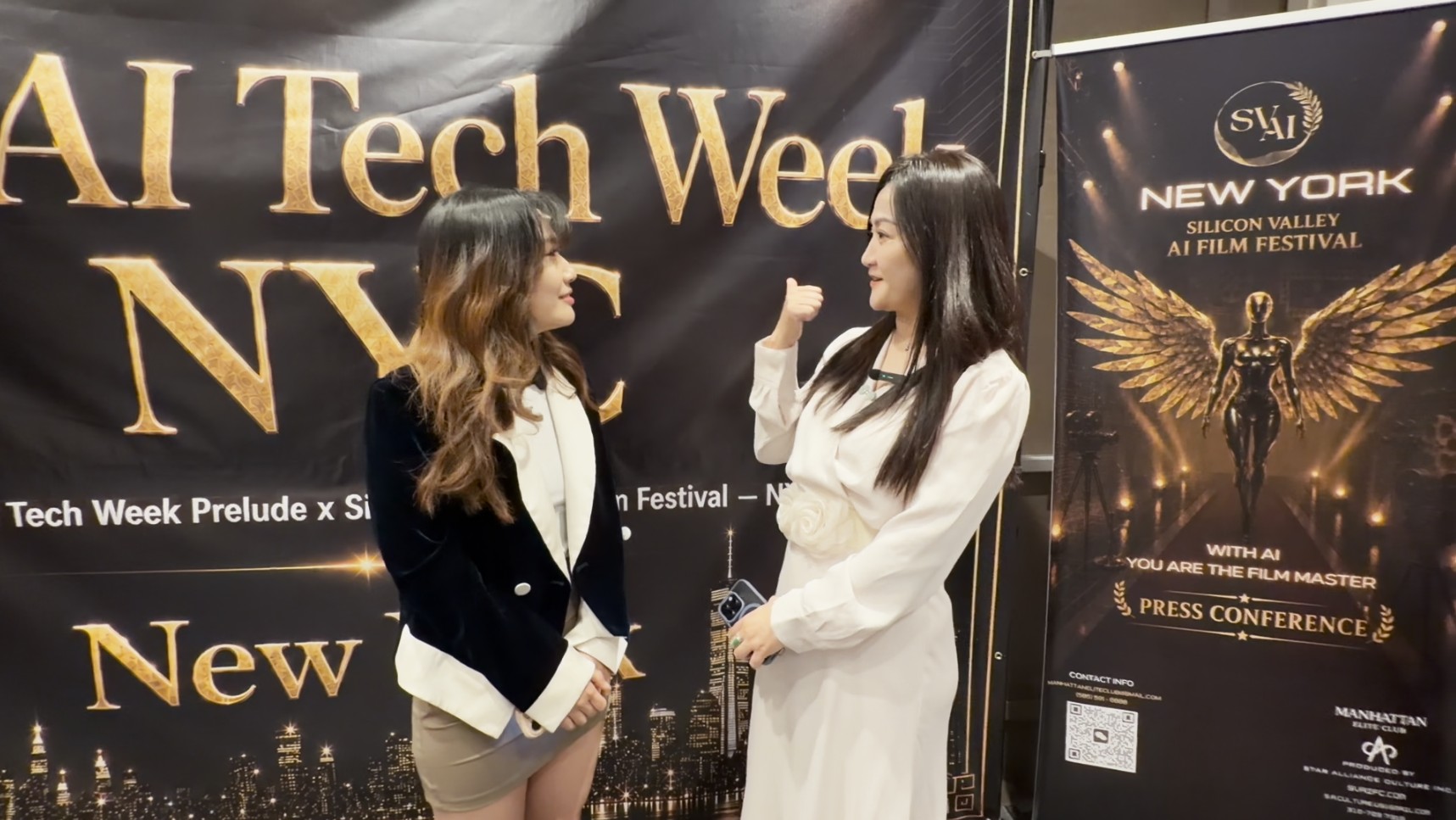
The event also featured voices from younger generations. Youth advocate and United Nations representative Sib Zane highlighted AI's potential to democratize creative industries such as filmmaking and content creation. He noted that emerging technologies are giving aspiring filmmakers, writers, and artists access to capabilities that were previously available only to large studios and well-funded organizations. At the same time, he stressed the importance of protecting the rights and livelihoods of actors, writers, and other creative professionals as AI becomes increasingly integrated into media production.
Throughout the conversations, a common theme emerged: artificial intelligence is no longer a future possibility but a present reality. Whether in entrepreneurship, healthcare, music, networking, or creative arts, AI is opening new opportunities while raising important questions about ethics, creativity, and human values. The innovators gathered at Pre-AI Tech Week NYC expressed optimism about the future, but they also emphasized that technology should serve people rather than replace them. Their insights offered a preview of the discussions likely to shape New York's AI ecosystem in the years ahead.